
Games
Dead Island 1.0.1
GamesUpdated


| Requirement | On file |
|---|---|
| macOS | See the sheet |
| CPU | Apple Silicon |
| Download | 77 GB |
| Tested on | macOS Sequoia, MacBook Air (M1. 2020) |
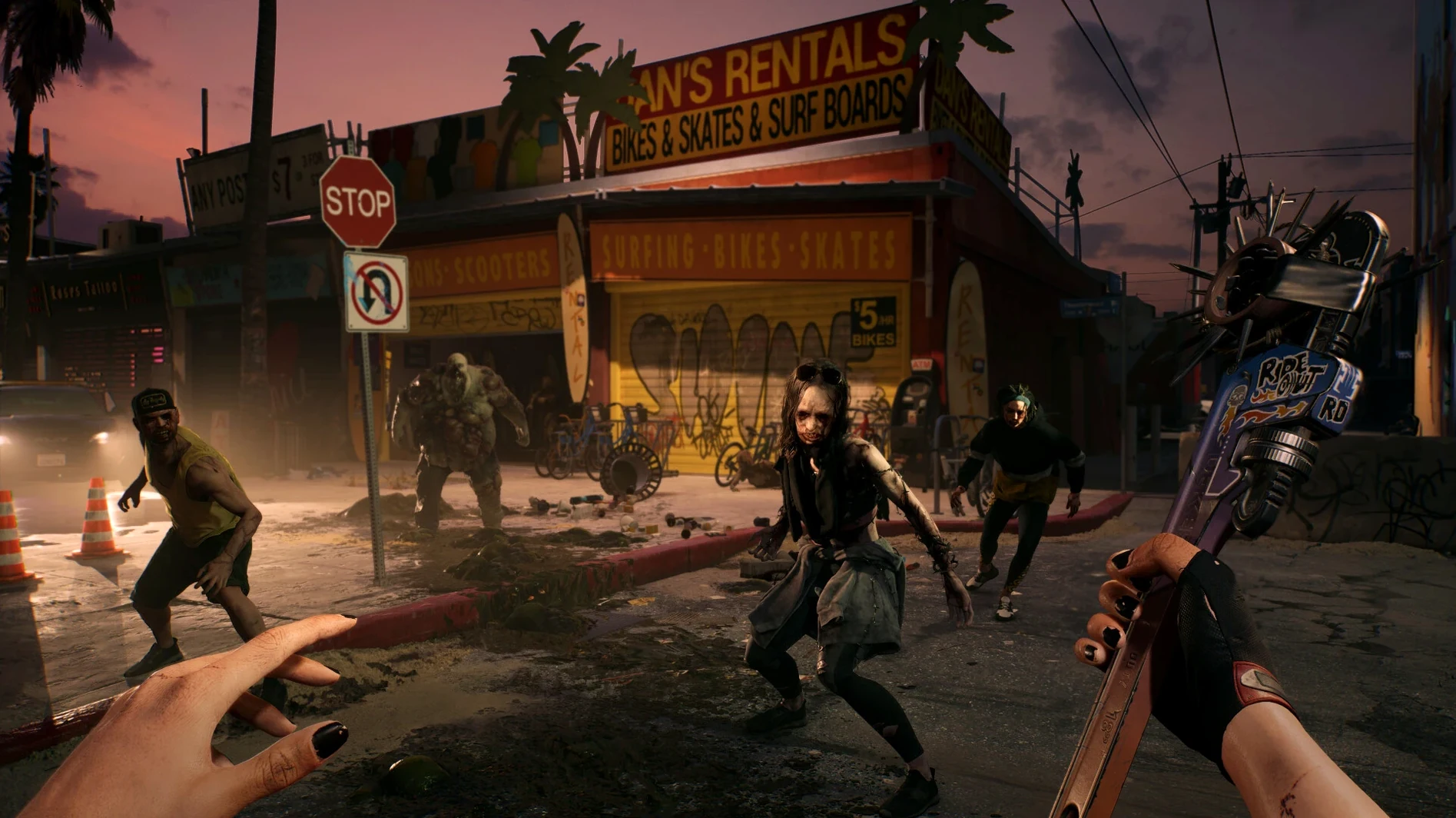
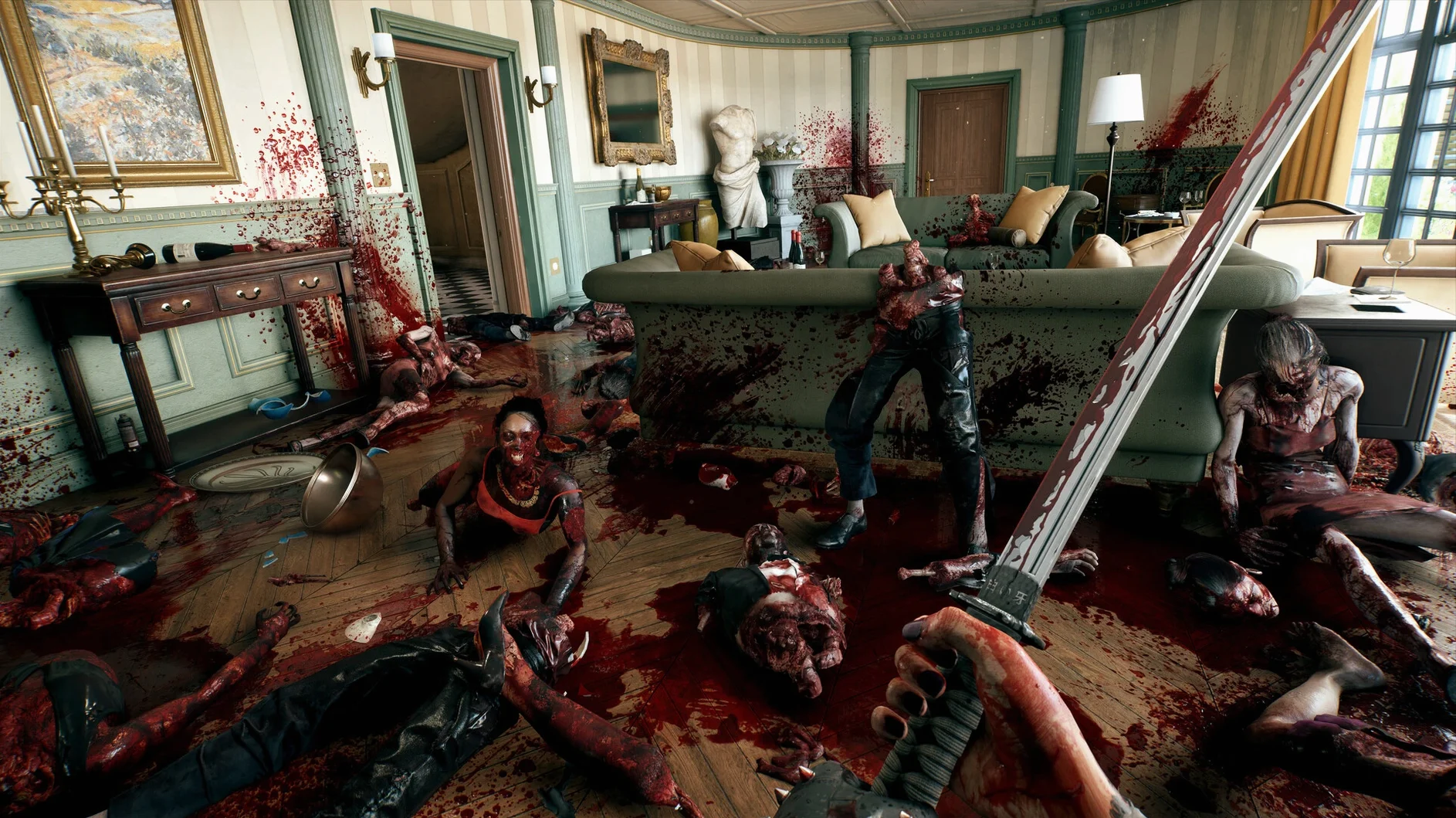
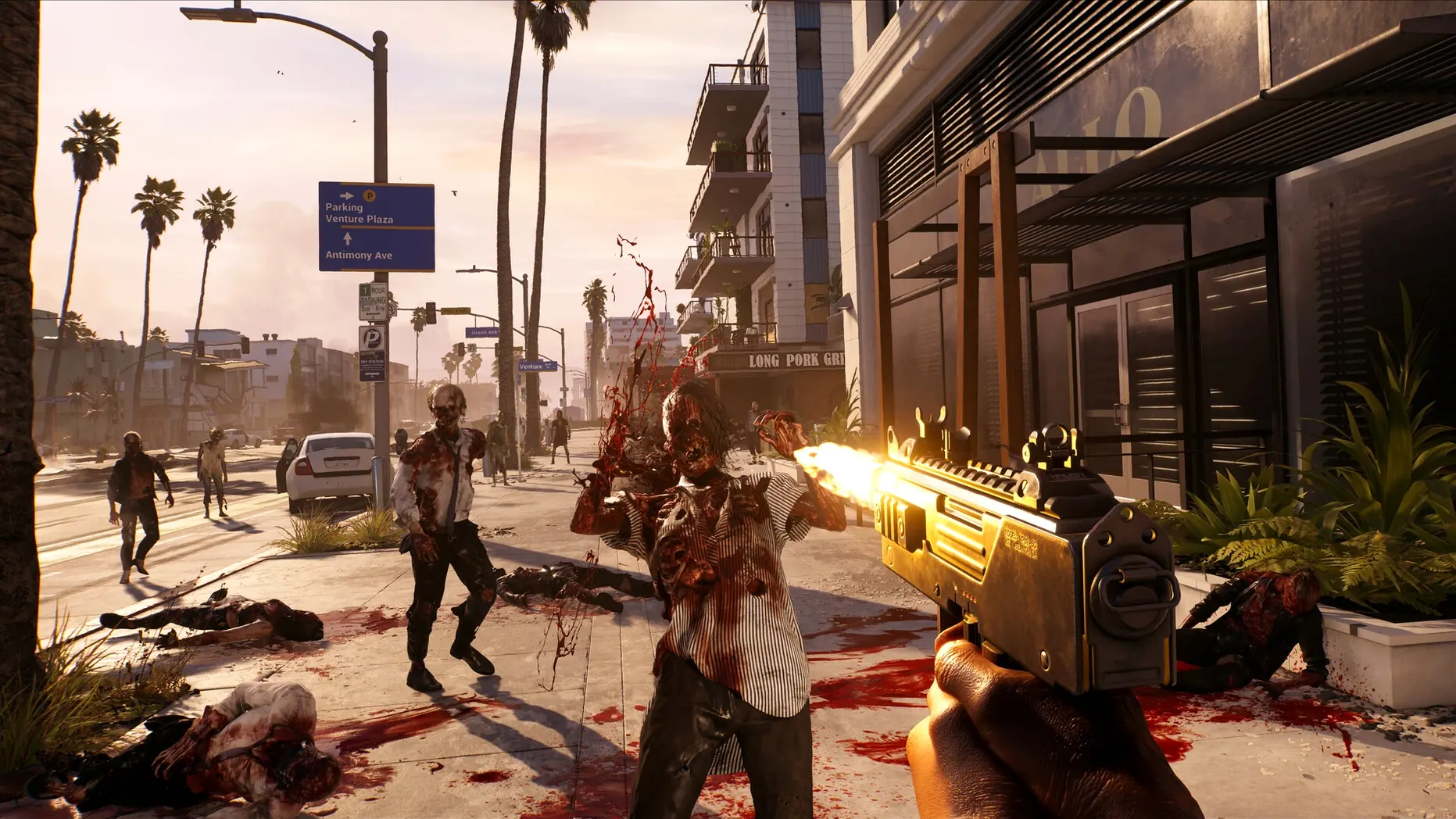
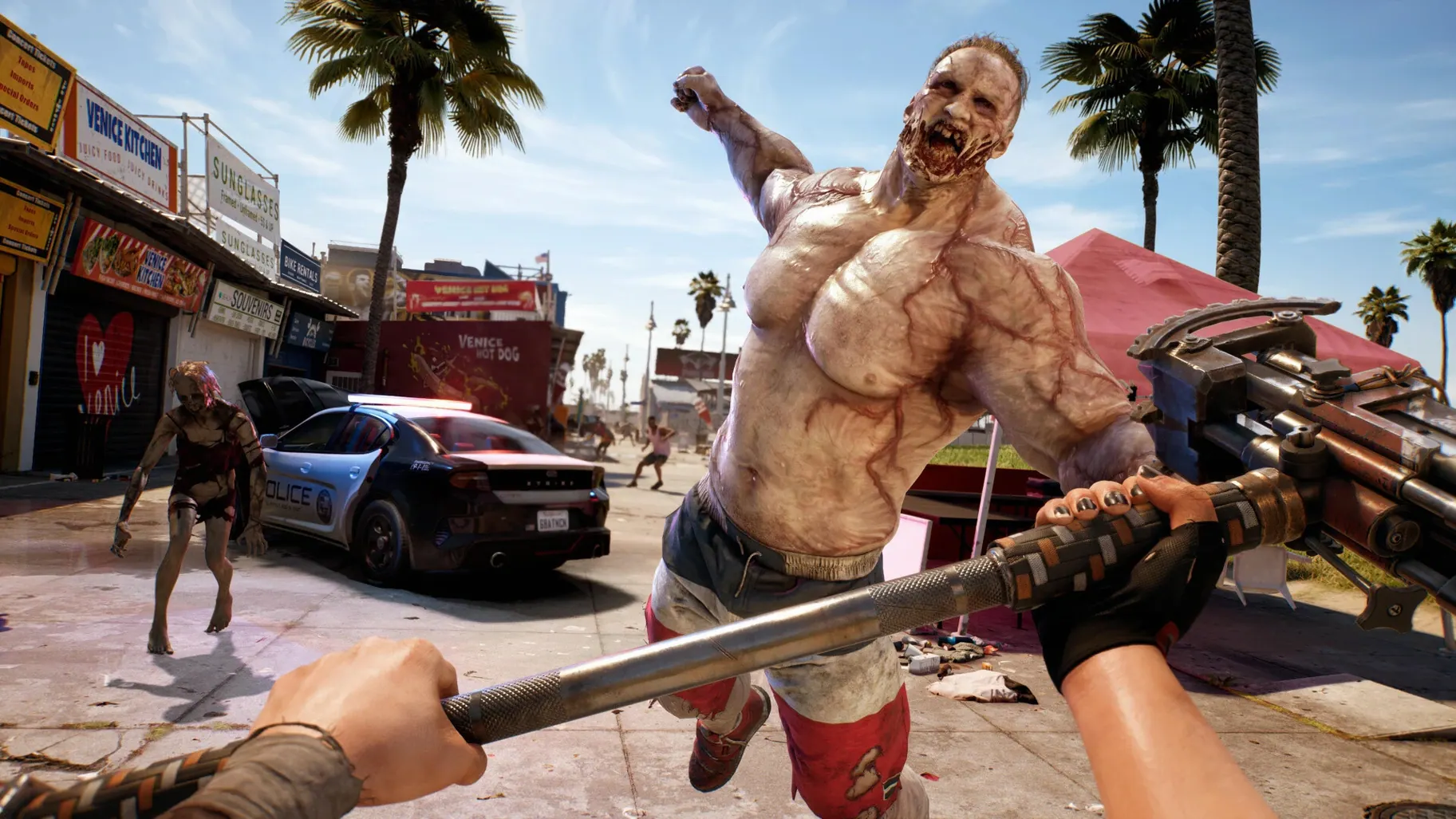
You drop into a Beverly Hills garden, the sun bleaching the wreckage of an evacuation. A zombie snarls from behind a cabana. You swing — the analog stick registers a meaty, diagonal arc, and the game doesn't flinch. On a 2020 M1 MacBook Air running macOS Sequoia, the encounter holds steady, the frame rate staying legible through the chaos of a quarantine zone where the army has already pulled out.
- The Mac version ships as the Ultimate Edition, bundling the base campaign, the Haus expansion, and the SoLA expansion.
- Six playable characters are available; each brings distinct trait spreads and exclusive dialogue, which shifts the tone of the co-op chatter.
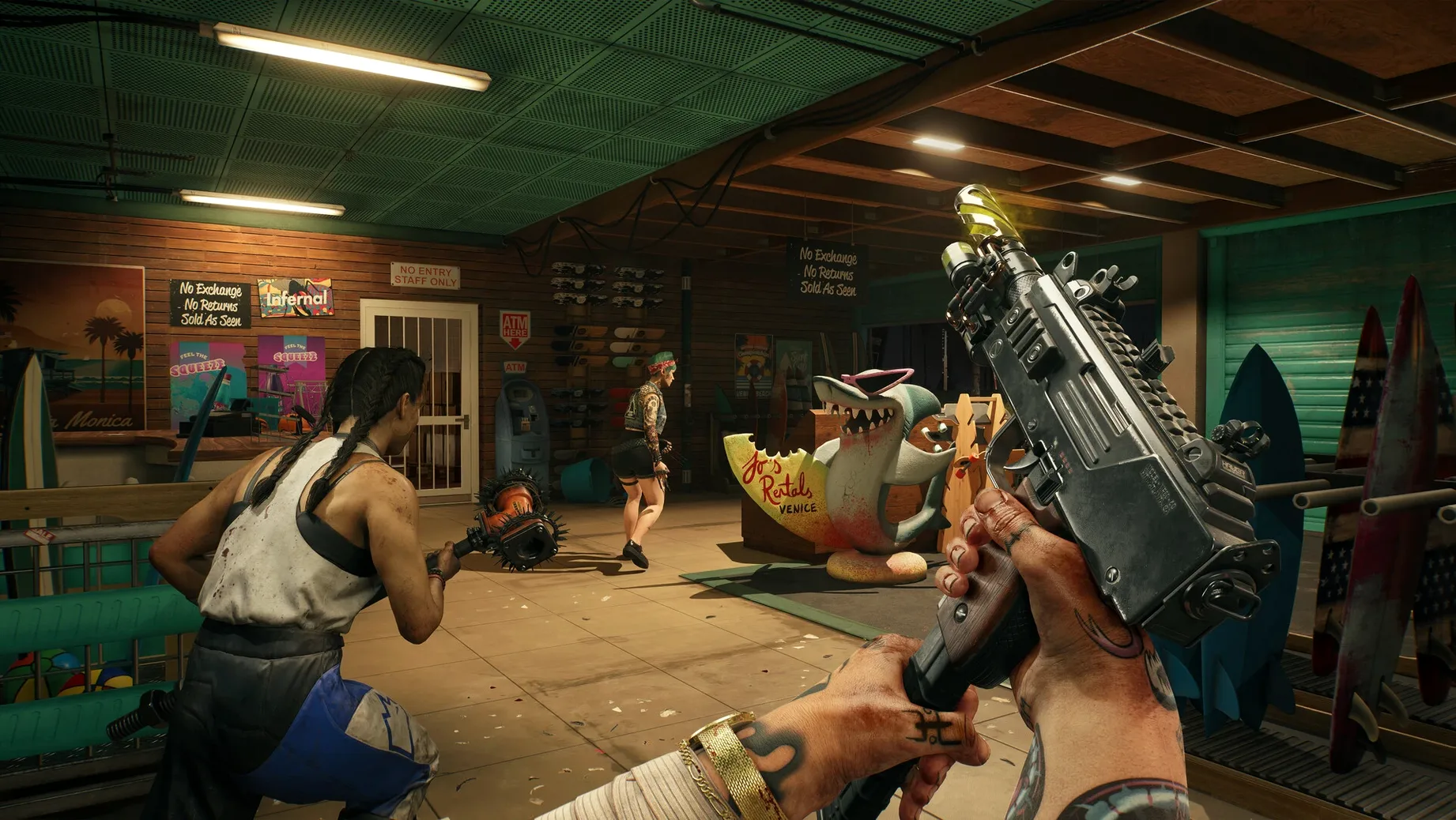
- Co-op multiplayer uses platform-specific matchmaking — your lobby pulls from other Mac players rather than a general pool.
- A skill system is built around rapid swaps: you can toggle between loadouts mid-fight without breaking combat flow or resetting cooldowns.
- Interface localisation covers Russian, English, German, Spanish, Italian, Traditional Chinese, Simplified Chinese, Korean, Polish, Portuguese, French, Czech, and Japanese.
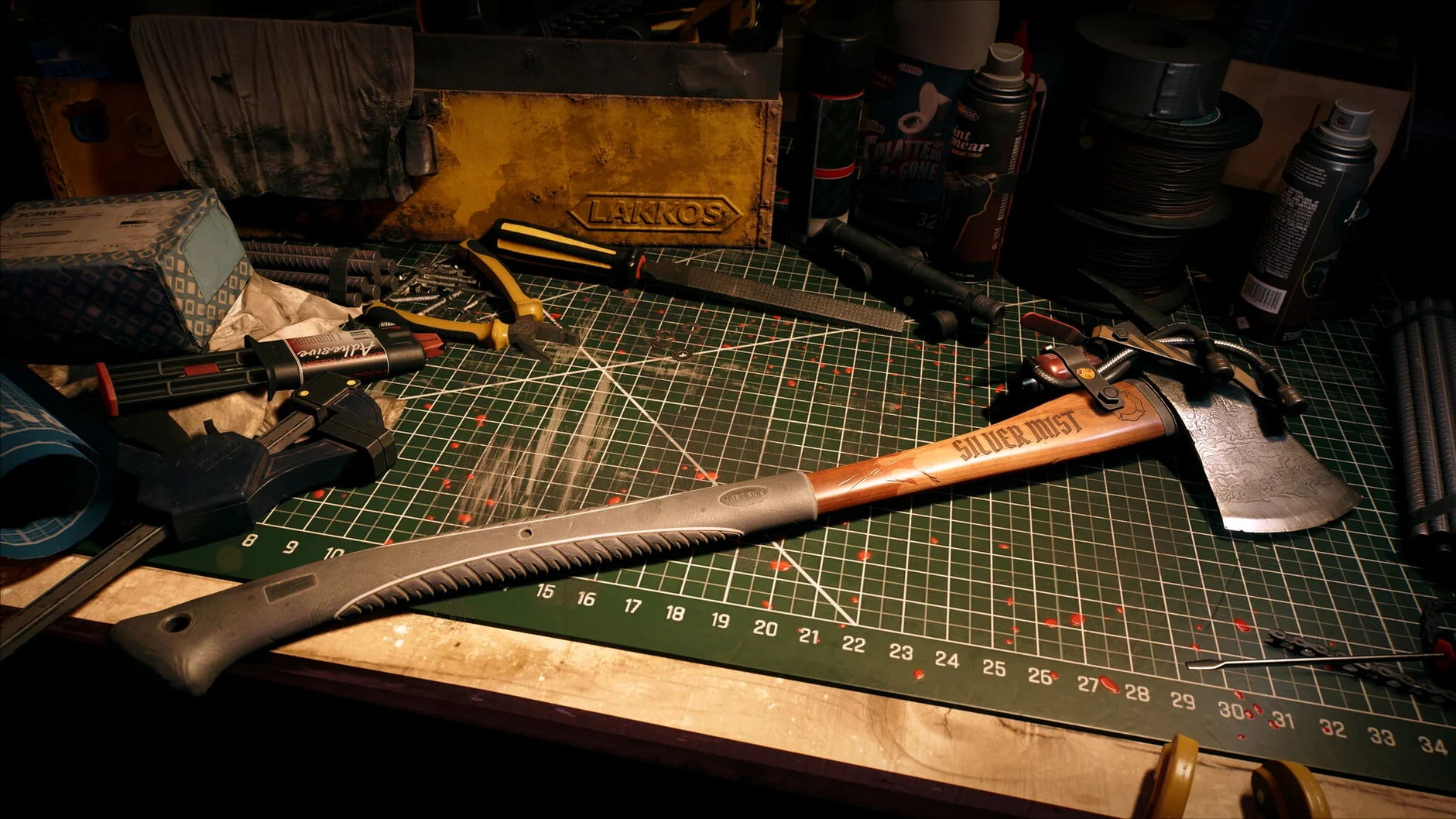
Analogue melee feels the way the spec sheet suggests it should — no abstraction layer softening the input. Expect a third-person perspective pulled tight over the shoulder, with the island's open districts loading without the stutter that sometimes tails Rosetta-translated titles. If you're after a Mac zombie sandbox that doesn't bury its combat model under menu lag, this port does what the hardware allows.
A Clean Run Through the Pier District
The quarantine zones in Dead Island reward a slower first pass. On a fresh save, the early stretch of the pier works well as a controlled exercise: you enter through the arcade entrance, clear the ticket booth area, then work the boardwalk toward the ferris wheel in a loose clockwise loop. The idea is not speed — it is establishing a route you can retrace when the spawn table shifts.
Start with the character whose traits lean into stamina recovery. Open the skill menu before leaving the safe zone and bind a second loadout to the quick-swap slot; the game lets you flip between configurations without returning to a menu. For the pier, one loadout with blunt weapons for the boardwalk bottlenecks and one with a faster swing for the open sand near the lifeguard station covers most encounters. Swap only when the zombie type changes. The game reads the input immediately, and the cooldown is short enough that you can experiment without punishment.
As you move through the arcade, watch the light shafts — mutations announce themselves with a change in silhouette before the audio cue lands. The game places dozens of zombie variants across this stretch, and the pier is where several of them first appear. Keep the camera slightly above the waistline of the crowd; the first-person combat view pulls low, and you will want the extra vertical awareness when a leaping variant closes the gap. Clear the ferris wheel platform last, then backtrack along the same route. The second pass is usually quieter, but the spawn logic occasionally drops a new cluster behind the arcade dumpsters. This loop takes about twenty minutes once the route is memorised, and it is repeatable enough to test new skill combinations without the friction of a longer mission.
Skill Swap Dialogue Your Co-op Partner Hears
A few details in this port are easy to miss because the game never calls attention to them. First, the quick-swap skill system works during co-op lobbies as well as solo play — your teammate hears the same dialogue cue, but the switch happens client-side, so there is no sync delay. On an M1, the swap is essentially instant; the only visible tell is a brief flicker of the skill icon in the corner.
Second, the Ultimate Edition integrates the Haus and SoLA expansions directly into the world map rather than as separate menu entries. You can reach their starting zones from the fast-travel board in the main campaign, which means co-op hosts can pull guests into expansion areas without leaving the session. Third, the game's localisation covers thirteen interface languages, but the voice acting stays in English; subtitles in German, French, or Korean do not slow the combat logic, though some character-specific jokes lose their rhythm when the text and audio disagree.
Finally, the pause behaviour is gentle. Opening the map during a fight does not trigger a hard freeze; the world keeps moving at a reduced threat level, which is forgiving enough to check objective markers while a horde shambles toward the boardwalk rail. You cannot abuse it — ranged enemies still track you — but it removes the usual anxiety of checking where the next objective sits.
Against Two Other Mac Zombie Games
Set beside Dying Light, Dead Island plays a tighter, less vertical game. Dying Light's parkour movement gives you escape routes through rooflines and window ledges; Dead Island keeps you grounded in LA's streets and piers, where the tension comes from managing crowd density rather than elevation. The combat here is heavier — weapons carry more visual weight, and the first-person view sits closer to the swing. On Apple Silicon, both titles run natively, but Dead Island's load times between districts are shorter on an M1 than Dying Light's open-city transitions, likely due to the way zones are partitioned.
Compared with Resident Evil 4, the difference is precision versus volume. RE4's aiming model rewards deliberate shots and resource discipline, while Dead Island pushes you into melee exchanges with larger groups. The LA setting also changes the tone: RE4's village and castle feel curated, almost theatrical, while Dead Island's quarantine zones sprawl more naturally — abandoned shops, beachfront walkways, service tunnels. If you want controlled, tense encounters, RE4 is the sharper tool. If you want a sandbox where a bad pull can spiral into ten minutes of improvised crowd control, Dead Island holds its own.
Pick a Survivor by How They Bounce Back
On the first boot, spend ten minutes in the character select screen before committing. The six playable characters differ less in raw power and more in how they handle mistakes — some recover stamina faster, others carry more health, others get dialogue that reveals extra context about the outbreak. You can switch between them later, but the first hours feel smoother with a trait set that matches your patience level.
Second, bind the quick-swap skill slot early and use it often. The system is designed for mid-fight experimentation, and the game does not punish you for swapping into a bad configuration. Third, if co-op is part of your plan, start a solo session first and unlock the fast-travel board — it makes joining and hosting lobbies cleaner, since expansion areas appear as destinations rather than locked markers. Fourth, don't rush the main path. The LA quarantine zones hide side objectives that unlock skill points, and the pier district alone can net you enough progression to make the first real mission feel less like a wall.
- macOS: macOS Sequoia
- Architecture: Apple Silicon
Sign in · Create an account to add a field note.
No field notes yet. A measurement, a version, a machine — they appear after moderation.