Games
HELLMART Build 21718399 Rev 1
GamesUpdated
| Requirement | On file |
|---|---|
| macOS | See the sheet |
| CPU | Apple Silicon |
| Download | 4.1 GB |
| Tested on | macOS Tahoe, Mac mini 2024 M4 |
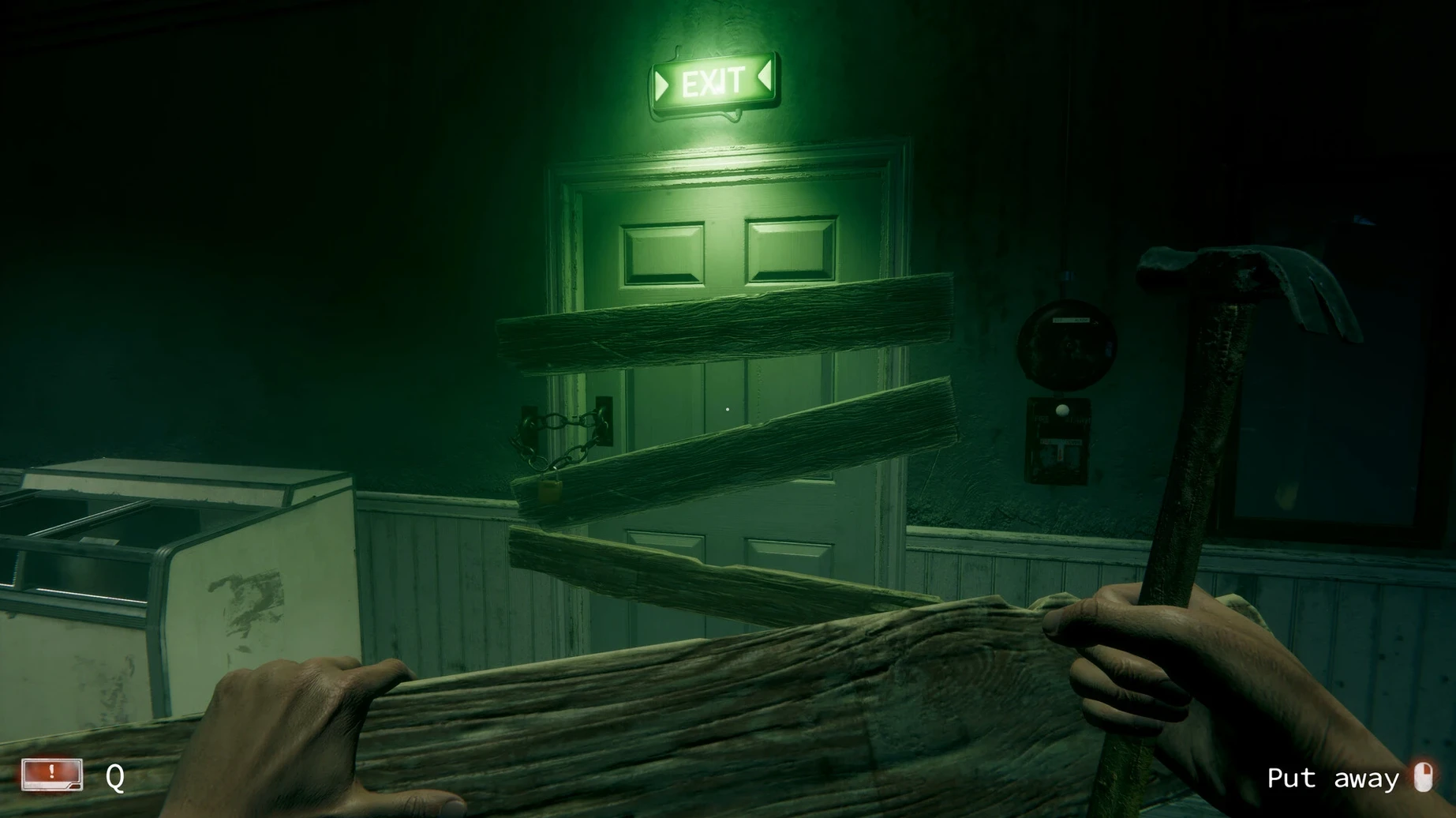
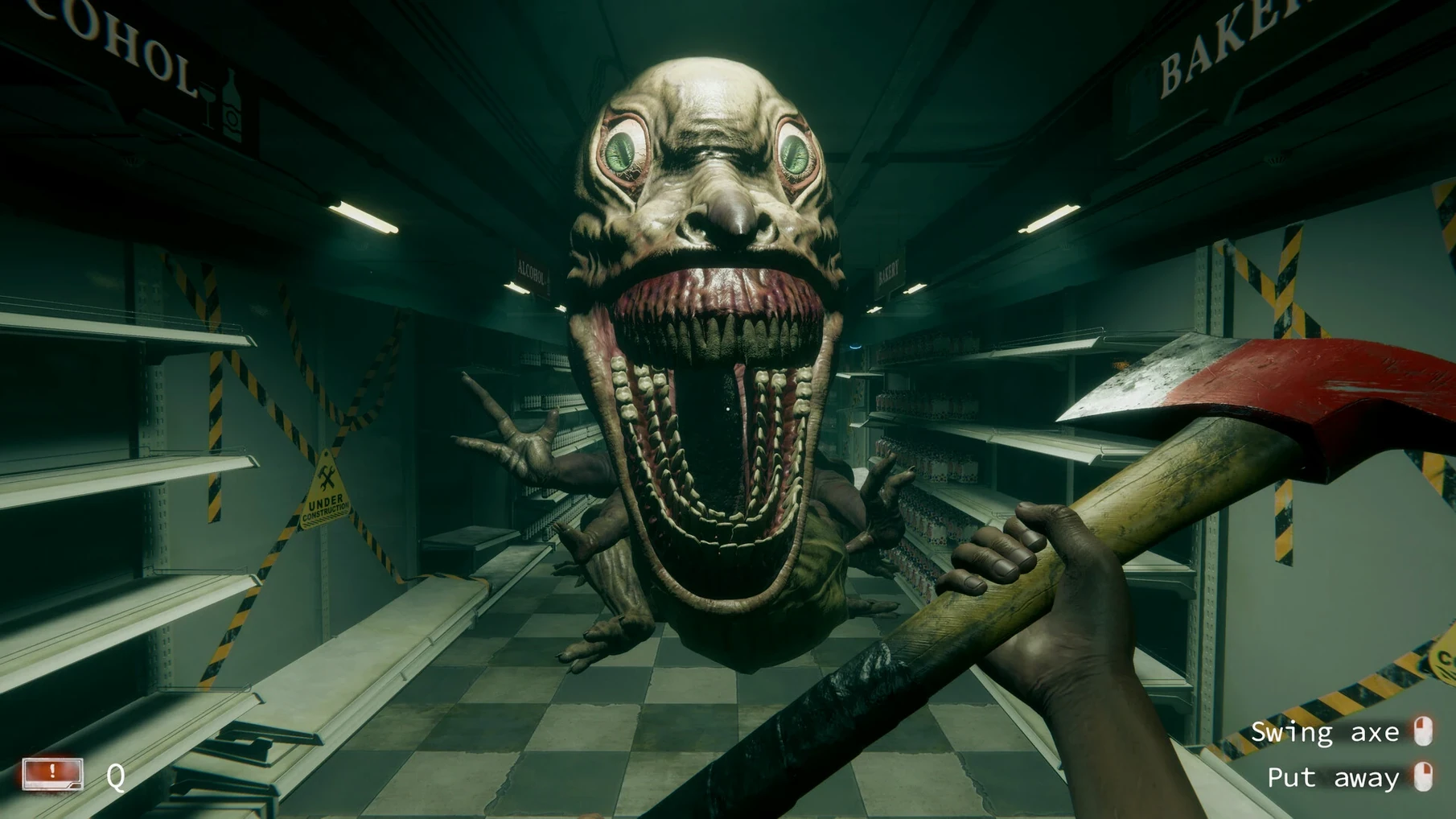
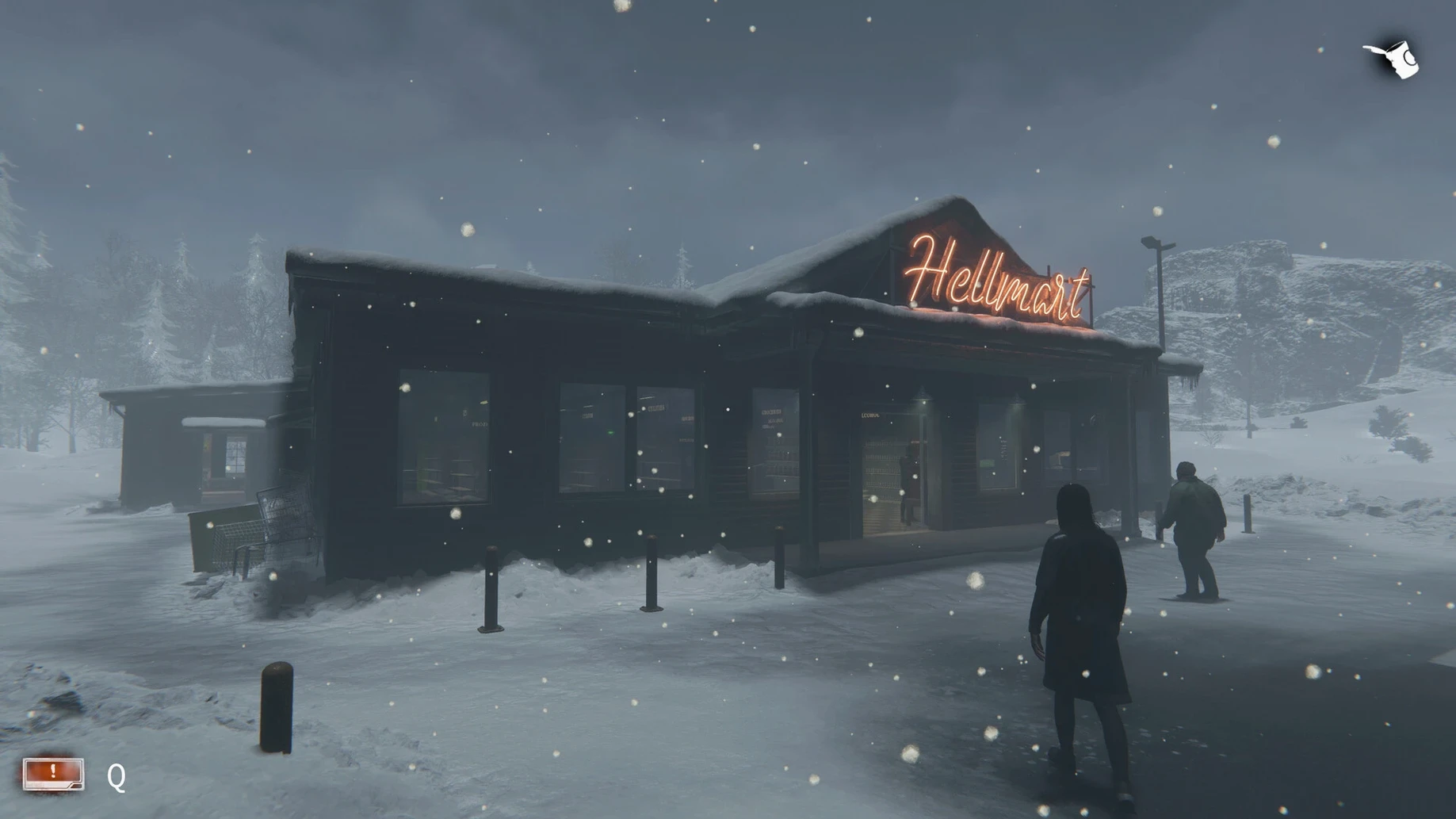
Barricading doors isn't usually a supermarket chore, but here the evening shift list puts it right after restocking shelves. The generator needs monitoring too. Fuel and consumables are for sale, and what you buy during the day determines how well you cope once the lights go out. Three different endings wait at the far side of a shift pattern that splits neatly into two halves: the register, and the aftermath.
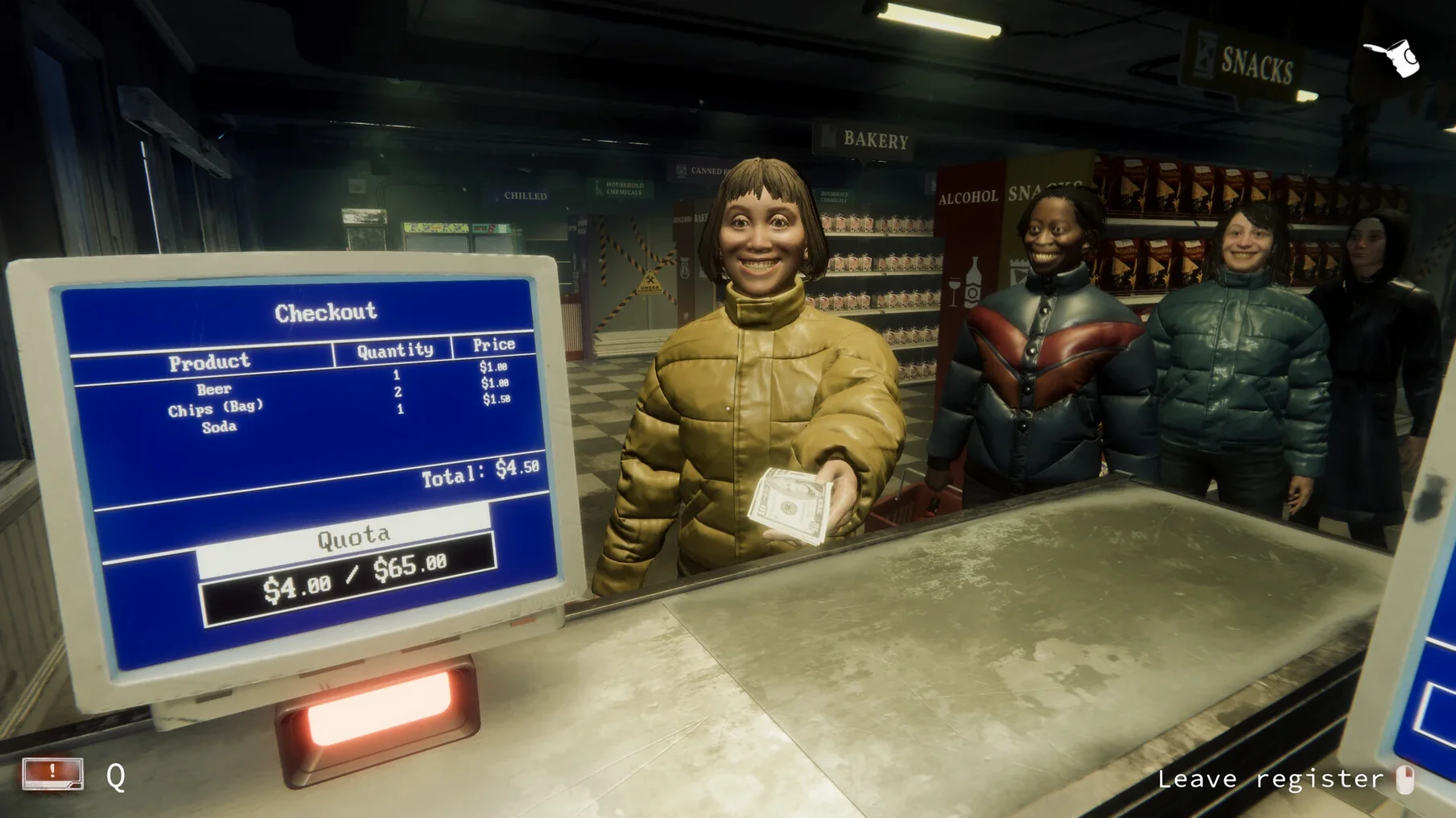
Daylight hours are a timer-driven rush to hit daily revenue goals. You scan items, handle customers on time, and keep the shop floor clean. Shelves empty fast, so restocking is constant. The register interface feeds a hard number back at you — a target to meet — and the tension is baked into the till receipts, not just the dark.
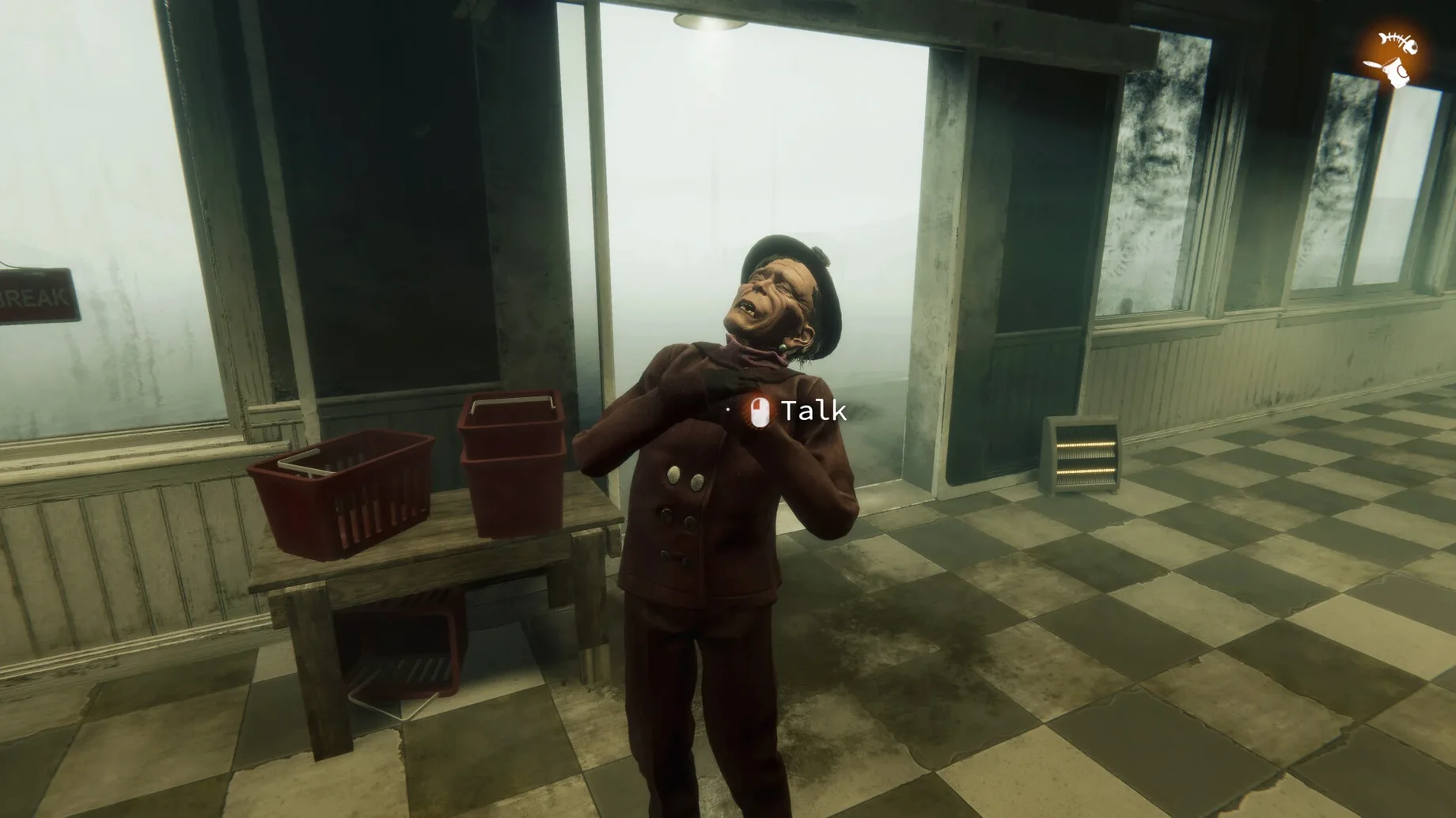
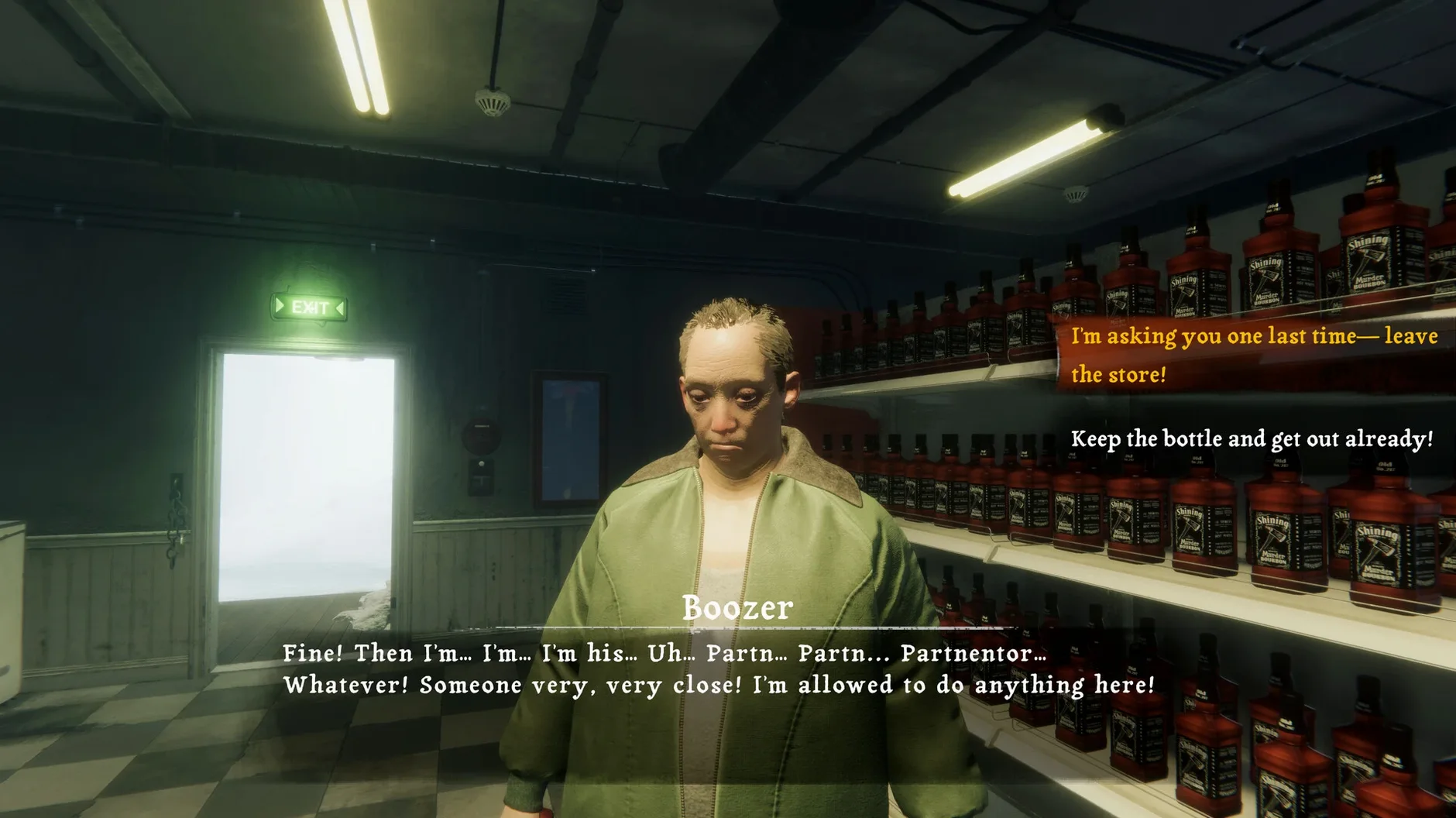
When the day's takings are done, the same aisles turn into something else. Evening mode hands you a checklist: barricade entry points, check generator levels, buy what you need for the hours ahead. Night customers arrive, and you speak with them. The conversations pull the story toward one of the three conclusions, shaped by how you managed the store and yourself across the shift.
The version tested on Apple Silicon — a 2024 Mac mini M4 running macOS Tahoe — packages the game through Wineskin. Interface languages cover English, Russian, German, Spanish, Italian, French, Japanese, Korean, Polish, Portuguese, Thai, Turkish, Ukrainian, and both Simplified Chinese. The ARM architecture listing on the Russian page confirms native Apple Silicon handling under that translation layer. Build 21718399 Rev 1.
A shift from open to close
You clock in at 07:00. The store is quiet. Three customers wait at the register before you've even touched the mop. The first hour teaches you the rhythm: scan, bag, take payment, glance at the revenue counter in the top-right corner — it reads $342 of a $2,100 daily target. You're behind already.
Between 08:00 and 14:00 the pace tightens. A customer drops a jar of pickles in aisle three. The floor cleanliness meter dips into yellow. You grab the mop, lose 90 seconds, and return to find two more shoppers queued at the register. The till dings with each transaction but the number feels stubborn. At 13:45 you hit $1,430. Lunch rush helped. You restock the dairy cabinet — six milk cartons, three packs of butter — then sweep the entrance before the snow melt tracks more grit across the linoleum.
The register closes at 18:00 sharp. You made $2,087, seven dollars over the threshold. The game doesn't congratulate you. It switches the HUD to the evening checklist and the lights outside the window cut to black.
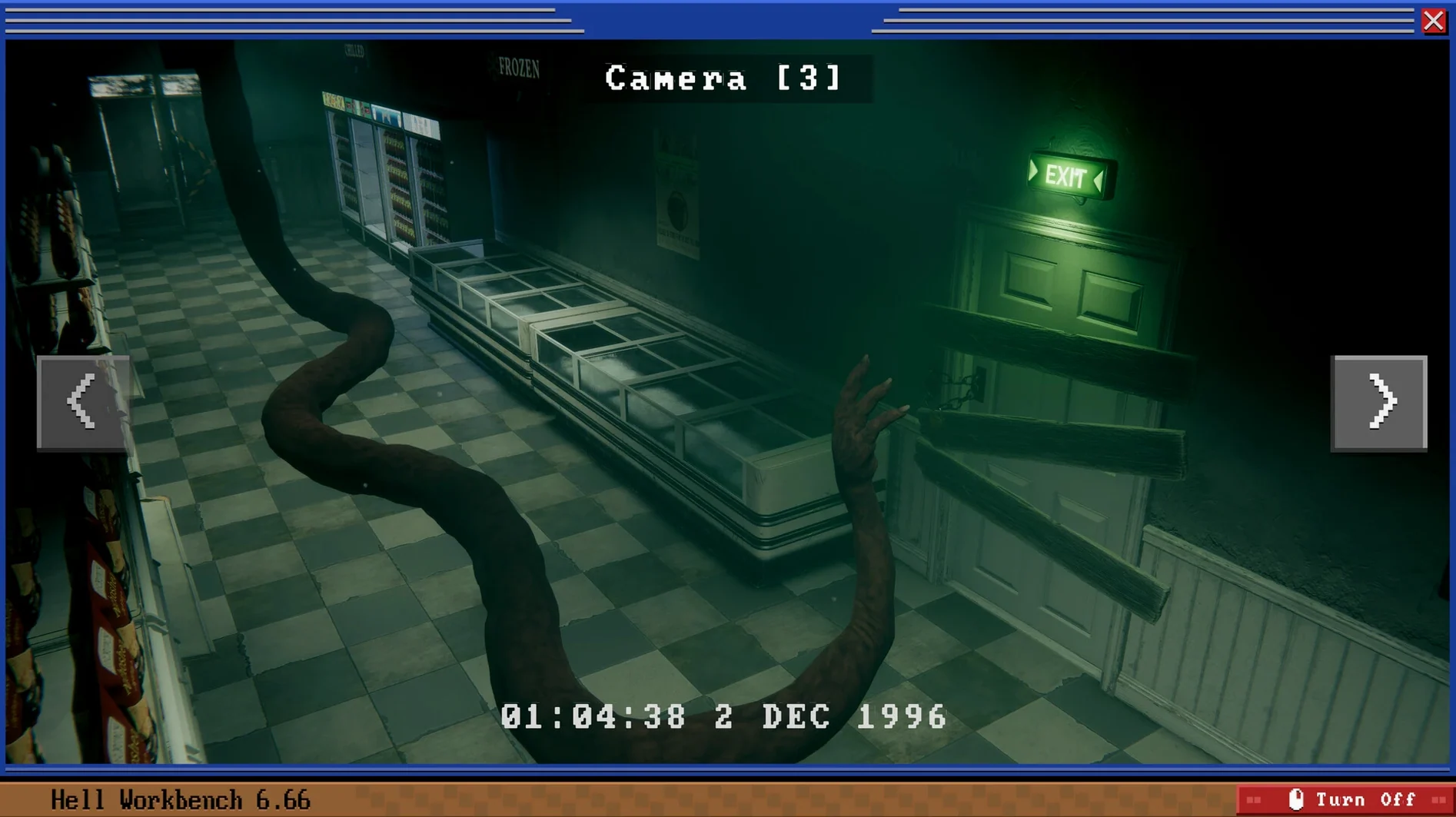
Now the generator gauge sits at 62%. You pour in fuel from a jerry can you bought during the afternoon supply run. It rises to 84%. Enough for the next four hours. You barricade the rear door with a shelving unit — the animation takes four seconds and makes a scraping sound that seems louder than it should. The front door you leave clear. Cameras cycle on the monitor behind the counter: parking lot, side alley, cold storage. Nothing moving yet.
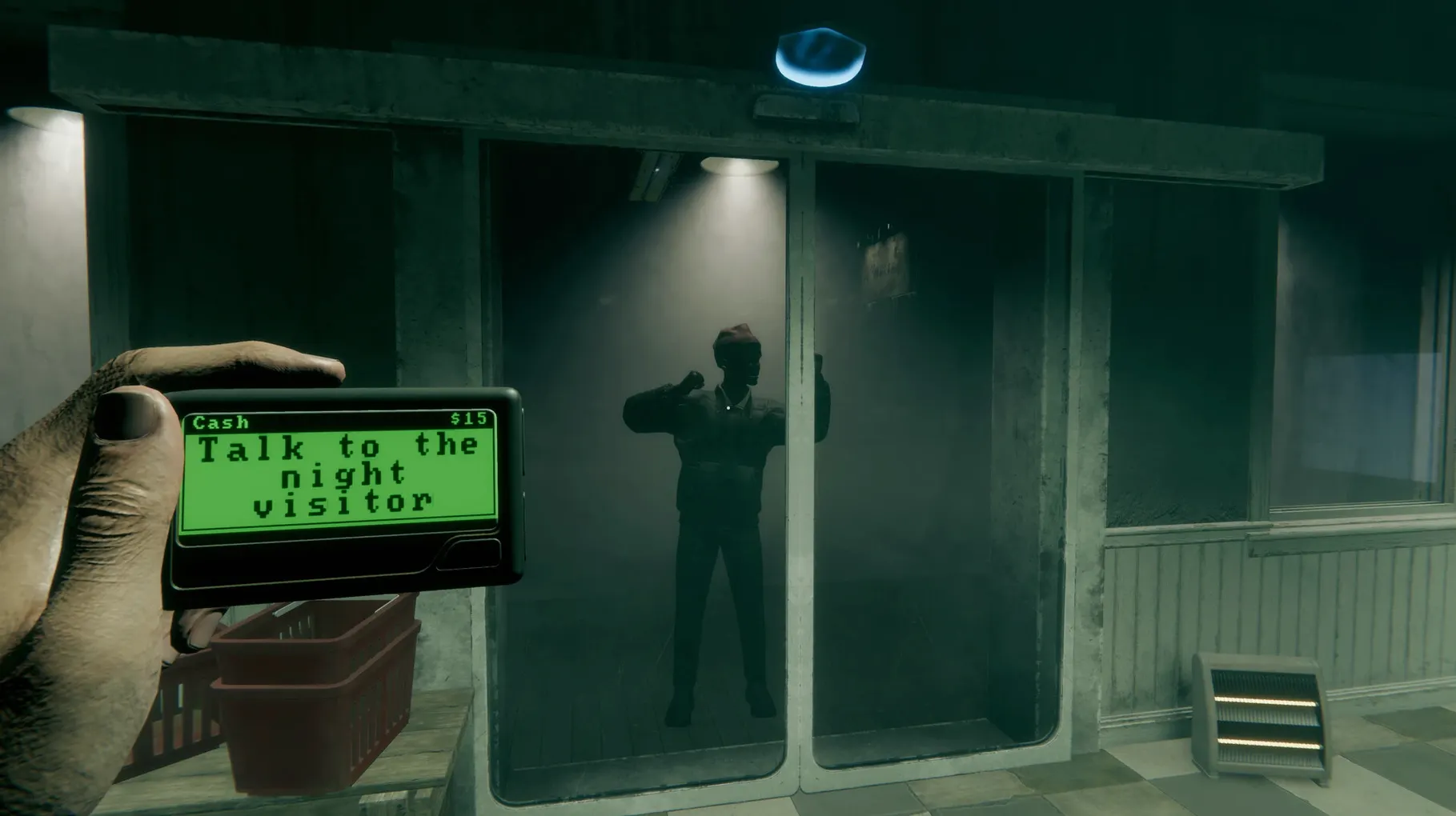
A knock at 21:40. The peephole shows a woman in a parka, face half-hidden. The dialogue tree gives you three options: let her in, ask questions first, or ignore her. You ask. She mentions the storm and a broken-down truck. The conversation branches twice more before you open the door. Her story shifts one of the hidden ending counters. You won't know which one until the final night.
By 03:00 the generator is at 19%, the barricade on the rear door is holding, and three night customers have come and gone. The shift ends at 06:00. You save and quit with sore fingers and a clear sense that tomorrow's revenue target will be higher.
Where rookies stumble
The most common early mistake is treating the day shift as a pure speed challenge. Players race the scanner, ignore the floor, and push revenue into the green while the mess piles up. By early evening the cleanliness meter sits in the red, which triggers a penalty to customer trust the following day — a mechanic the tutorial mentions once and never repeats. Fixing it means sacrificing restocking time during the next shift, which cascades into emptier shelves and slower till queues.
Another trap: hoarding cash. The daily shop menu offers duct tape, fuel cans, extra lighting, and food items that affect your dialogue options at night. New players often save every dollar for store upgrades and arrive at 19:00 with no barricade materials and a generator running on fumes. The game does not pause to let you fix that. You either improvise with what's in the stockroom or face the consequences when a night visitor tests a door you left unsecured.
Camera discipline trips people up too. Cycling through feeds costs time, and the monitor pulls you away from the floor. Some beginners stare at the screens for minutes, jump at shadows in the alley, and miss a customer at the counter. The game penalises abandoned shoppers harder than it rewards paranoid surveillance. Check the cameras in thirty-second sweeps, not continuous loops.
Dialogue with night customers looks optional. It isn't. Skipping conversations or choosing silence every time locks you into the bleakest of the three endings regardless of your store performance. The game tracks your engagement score separately from revenue, cleanliness, and survival metrics. You can run a perfect shop and still walk into the bad ending because you never spoke to anyone after dark.
Where HELLMART fits in the ecosystem
The Wineskin wrapper means the game lives in its own bottle, but it cooperates well with macOS focus modes and screen recording. I switch on a custom Focus filter that silences notifications during shifts — the till chime is enough audio feedback. QuickTime Player captures gameplay at 60 fps on the M4 without frame drops, useful if you record night encounters to compare dialogue outcomes later.
For notes, a plain text file open in CotEditor or BBEdit works better than anything fancy. I log which customers I let in, which I turned away, and which dialogue branch I chose. Three playthroughs with different choices map neatly to the three endings, and a simple checklist beats scrolling through YouTube guides that spoil the atmosphere. If you use a clipboard manager, paste your generator fuel log and barricade status each evening — the game doesn't keep a written history, so your own notes become the save file's missing appendix.
Controller support through Wineskin is functional on a DualSense connected via Bluetooth. The game's own input mapping expects keyboard and mouse, but Steam Input or a remapper like Enjoyable translates the bindings cleanly. Left stick moves your character, right stick isn't used, and the face buttons handle register interactions. It's not native controller play, but it holds up during long shifts when a trackpad starts to feel imprecise.
The soundtrack and artbook — separate releases from GAZE IN GAMES — sit in the Music and Books apps respectively. The OST is twelve tracks of ambient synth and low percussion. Playing it outside the game reveals how much of the store's tension comes from audio cues layered underneath the register beeps: a low hum that rises as the generator degrades, a three-note motif that plays when a night customer approaches. The artbook shows concept sketches of the three ending locations and early UI mockups that used a different till interface. Neither is essential, but both add texture for players who finish all three paths and want to see the scaffolding.
One player, three nights
A person who manages a real convenience store during the day and plays horror games at night will recognise half the interface on first launch. The register layout mimics a point-of-sale system closely enough that muscle memory transfers — barcode scanner beep, tender type, cash drawer pop. The difference is what happens at 19:00.
This player runs the first shift efficiently. Revenue target met by 17:20. Floor spotless. Shelves full. The evening arrives and they treat the generator like a stock order: top it up early, monitor levels on a schedule, keep a buffer. The barricading feels natural — they've closed a store before, locking the back door and checking window latches. The night conversations throw them, though. The first visitor asks for shelter and mentions a child. The dialogue options don't map to any real-world script. They hesitate, choose poorly, and the encounter ends with the door still bolted and the parking lot silent.
On the second night they prepare differently. They buy extra food during the day — not for the generator, but for the dialogue tree. When a man in a torn jacket knocks at 23:15, they offer bread and a hot drink. The conversation runs four branches deep. They learn something about the town that recontextualises the morning revenue targets. The note they scribble in a text file reads simply: trust the ones who don't ask for money.
The third night they reach an ending — not the best one, but the one that fits the choices they made. The store is still standing. The generator held. The till receipts from day three show $3,410 against a $3,200 target. The final shot lingers on the front door, half-open, snow blowing across the threshold. They close the lid of the MacBook and sit for a minute in the dark of their own living room, thinking about which customers they'll let in next time.
- Apple Silicon Mac
- Tested on macOS Tahoe with Mac mini 2024 M4
Sign in · Create an account to add a field note.
No field notes yet. A measurement, a version, a machine — they appear after moderation.