Games
Ravenfield 39.1
GamesUpdated
| Requirement | On file |
|---|---|
| macOS | See the sheet |
| CPU | Apple Silicon, Intel 64-bit |
| Download | 1 GB |
| Tested on | macOS Tahoe, Mac mini 2024 M4 |
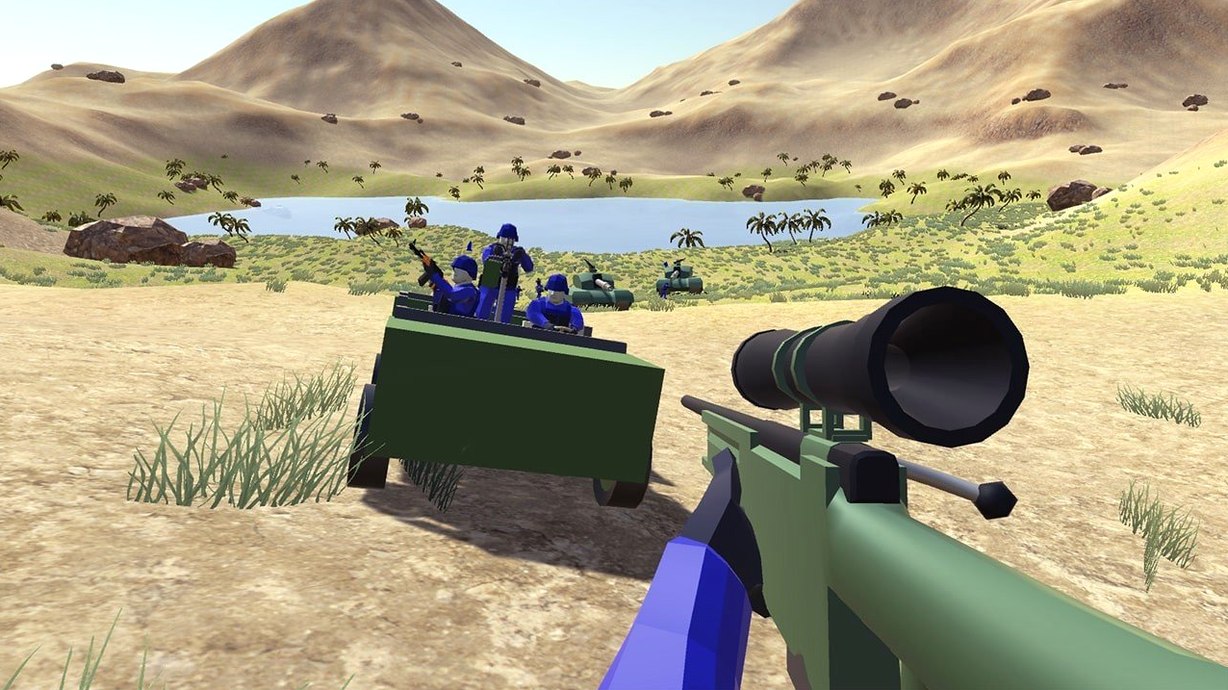
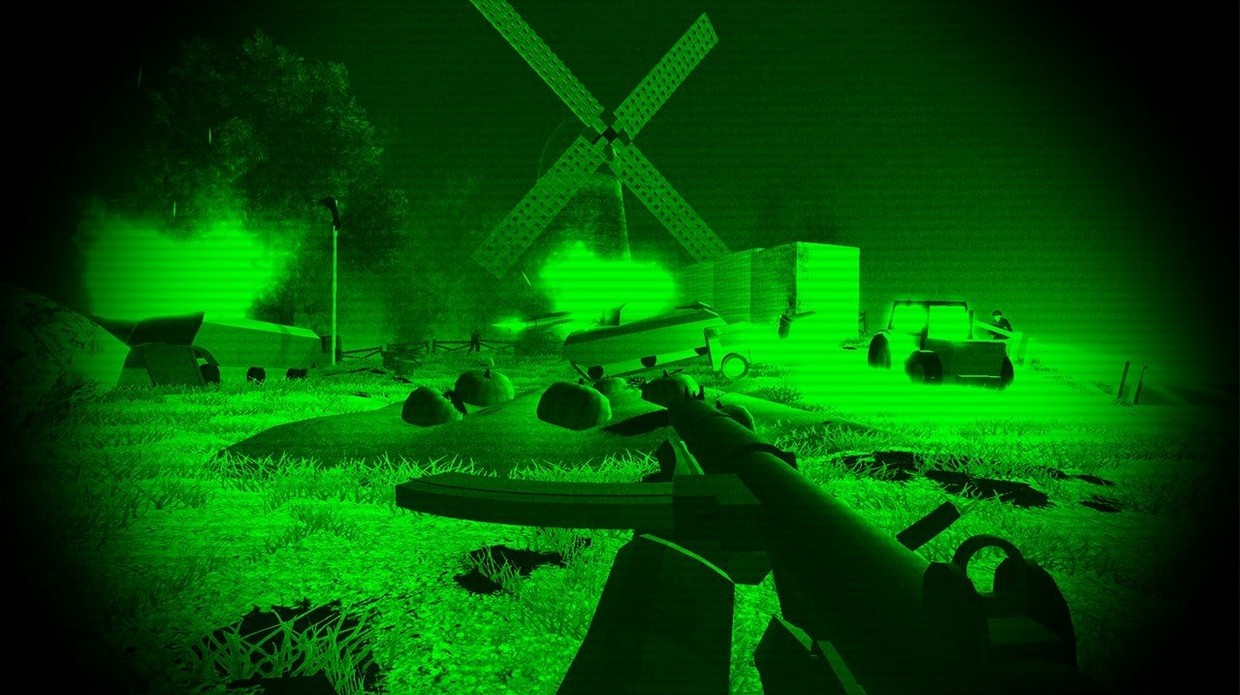
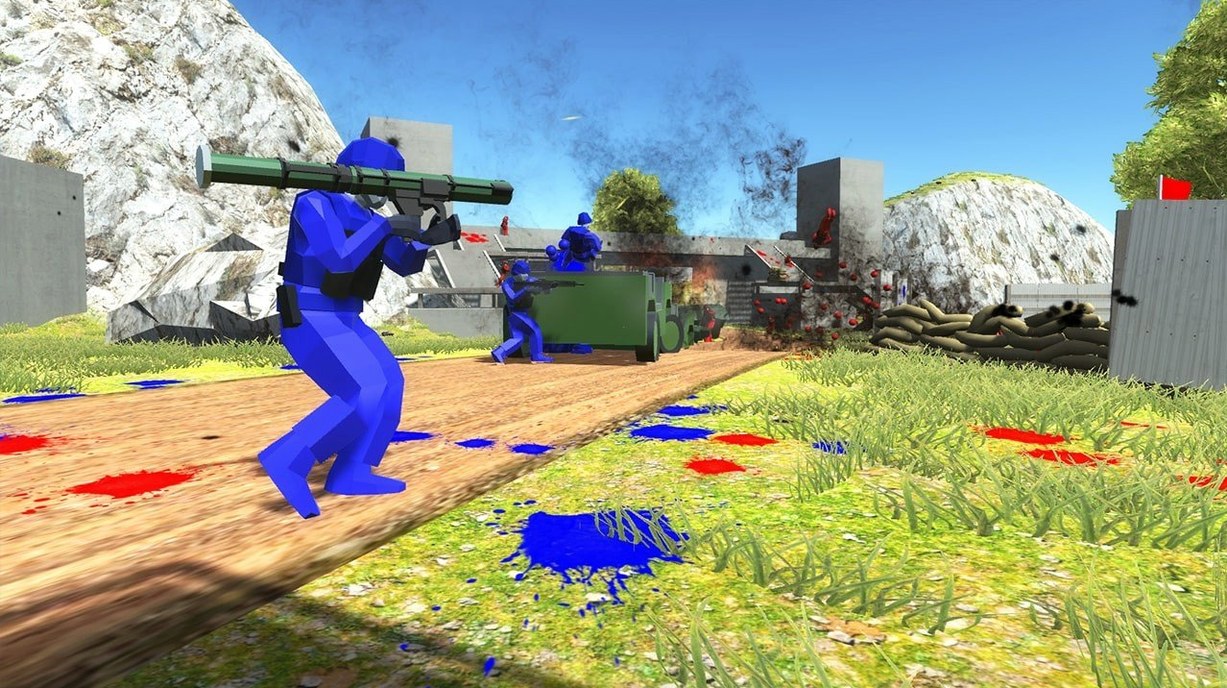
Ravenfield attracts the tinkerer and the solo strategist. It is not a multiplayer lobby dressed up with bots; it is a deliberately single-player sandbox where every ally and enemy on the field is AI-driven. The player sets the rules, picks the map, and decides whether the battle involves a dozen infantry or enough soldiers to bring a powerful machine to its knees. The draw is control without queues, meta-gaming, or toxicity — just a noisy, physics-driven playground for testing tactics.
| Detail | Value |
|---|---|
| Developer | SteelRaven7 |
| Current version | 39.1 |
| Combat vehicles | Infantry, ground, aircraft, watercraft |
| Team size | Limited by hardware only |
A player who expects a polished narrative campaign or competitive balance will walk away disappointed. The developer describes Ravenfield as a slightly experimental, for-fun project, and that looseness shows. The blue-versus-red loop is intentionally bare-bones: capture flags, eliminate the opposition, repeat. What makes it stick is the physical comedy and unpredictability of ragdoll soldiers tumbling from jeeps or ejecting from burning helicopters. Someone who enjoys modding will find a deep bench of community content, but out of the box the appeal is a specific kind of low-stakes, high-body-count chaos. It suits the person who wants to set up a 50-versus-50 skirmish on a whim and watch the simulation play out, not the person chasing a ranked ladder.
Bots Won't Flank Like Humans
New players often treat Ravenfield like a cover shooter and stay glued to one piece of geometry, waiting for the AI to push. The bots do not behave like human opponents — they follow simple pathfinding and engagement rules, so a static player quickly becomes a magnet for grenades and vehicle fire. The better approach is constant repositioning, ideally toward a fresh spawn point or a vehicle. Standing still is a death sentence on any map with more than 30 active soldiers.
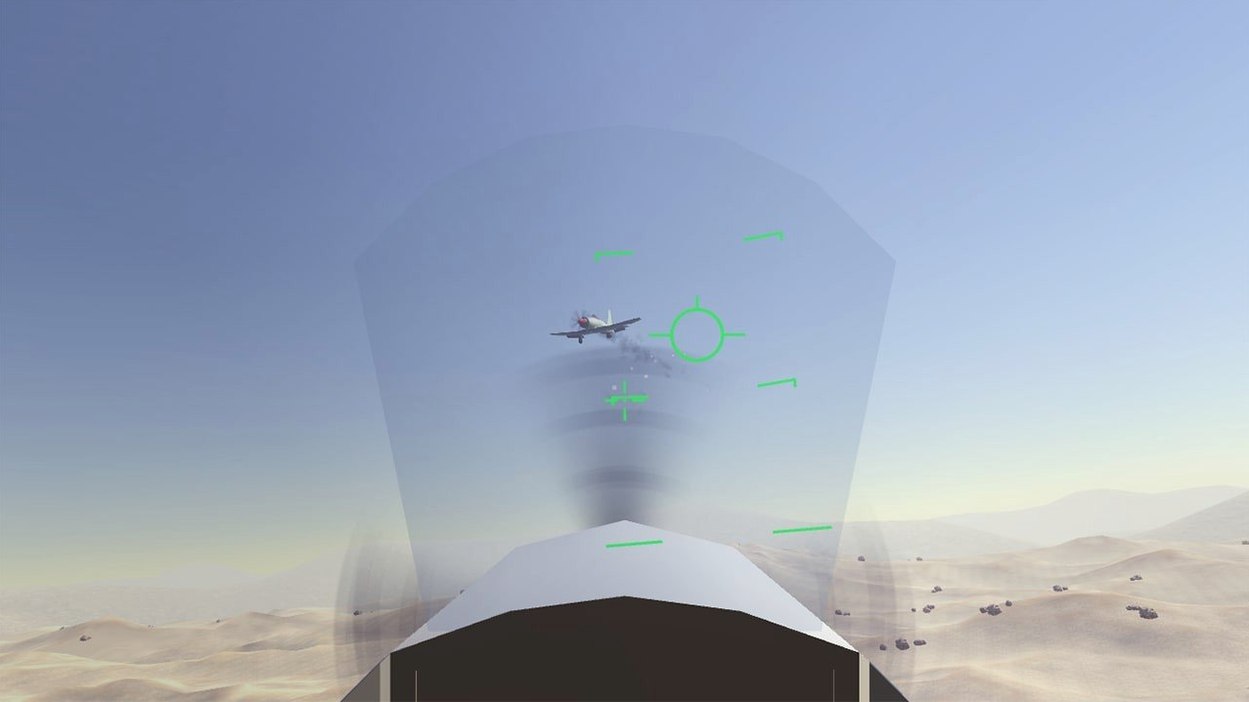
A second common error: ignoring the slow-motion command. Holding the slow-mo key gives the player a planning window mid-firefight, and beginners rarely use it outside of panic moments. Regular, deliberate use turns chaotic vehicle passes and bot rushes into manageable sequences. Equally damaging is the habit of grabbing the fastest aircraft on the first spawn without checking the map’s flag layout. Fast jets are useless on a tightly packed archipelago where a patrol boat or a jeep with a mounted gun controls the capture points more efficiently.
Setup mistakes worth avoiding:
- Setting the bot count too high on a laptop before confirming thermal headroom — 200 soldiers on an ultrabook will choke the frame rate within seconds.
- Forgetting to rebind the map and scoreboard keys early; the defaults sit awkwardly for left-hand WASD players.
- Playing with ragdoll physics disabled in the settings and wondering why the combat feels sterile.
- Neglecting the team-balance slider when one side has vehicles and the other is infantry-only on a large map.
Bot Count, Not Graphics, Caps Your FPS
Ravenfield’s performance profile is entirely bound to the bot count and the map’s geometry complexity. On an Apple Silicon Mac with 16 GB of RAM, a 40-versus-40 infantry-only skirmish on a compact map runs at a locked 60 fps without fan noise. Push the same machine to 120 bots on a vehicle-heavy coastal map with multiple watercraft wakes and aircraft particle effects, and frame pacing starts to dip into the mid-40s during large explosions. The engine handles ragdoll accumulation well — dozens of physics-enabled bodies do not cause the stutter that plagues some Unity-based titles — but the CPU load scales almost linearly with active AI decision loops.
Stability is solid for a project the developer still labels experimental. Crashes are rare during normal play; when they appear, the culprit tends to be a specific mod combination rather than the base game. Memory usage sits around 1.8–2.4 GB for a typical 60-bot match, climbing toward 3.5 GB when modded vehicle packs and custom weapon scripts are loaded. Disk footprint is negligible — the app bundle plus a few subscribed workshop items rarely exceeds 600 MB. The real resource cost is the GPU, especially on integrated graphics, where shadow resolution and anti-aliasing settings make an outsized difference. Dropping shadows from high to medium often recovers 15–20 fps with almost no visual loss on the default maps.
The Lightweight Mac Alternative to Battlebit
Placing Ravenfield next to Ravenfield crack mac searches reveals how many people look for the game as a lightweight alternative to multiplayer military shooters that lack native Mac clients. Compared with Battlebit Remastered, which shares the low-poly aesthetic and large-player-count ambition, Ravenfield swaps network latency and server queues for complete offline control. Battlebit offers genuine human unpredictability and a destructible environment; Ravenfield offers instant restarts, pause, slow-motion, and total authority over every match variable. The two scratch different itches, but the Mac user who wants a quick match without an internet connection will find Battlebit non-functional and Ravenfield immediately ready.
Against Tannenberg — a Mac-native WW1 shooter with bots — Ravenfield reads as more arcade and less mechanically punishing. Tannenberg’s bolt-action rifles and one-shot kills reward positioning and patience; Ravenfield’s respawn loop and vehicle sandbox reward experimentation and chaos. The Eastern Front title simulates a specific historical moment with authentic weapon handling, while SteelRaven7’s project simulates a toy box of military action tropes. A player craving period accuracy and deliberate pacing will gravitate toward Tannenberg. A player who wants to dogfight in a helicopter while AI soldiers rappel onto a cargo ship will stay with Ravenfield.
Next to Running with Rifles, the top-down perspective flips the comparison entirely. Running with Rifles shares the single-player-with-AI-armies concept and the ragdoll humor, but the overhead view and persistence metagame give it a slower, more strategic cadence. Cover, suppression, and supply lines matter in ways Ravenfield’s first-person instant action does not model. Both run natively on Apple Silicon, both thrive on mods, and both let the player set bot density — but the physical sensation of being inside the chaos is Ravenfield’s exclusive domain.
- macOS (exact version not specified by the developer)
- Runs on both Intel and Apple Silicon Macs
Questions on file
Is Ravenfield a multiplayer game?
No, it is a single-player shooter built entirely around team-versus-team combat with AI opponents.
Sign in · Create an account to add a field note.
No field notes yet. A measurement, a version, a machine — they appear after moderation.