Games
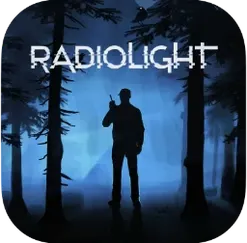
Radiolight 0.9
GamesUpdated
| Requirement | On file |
|---|---|
| macOS | See the sheet |
| CPU | Apple Silicon |
| Download | 4.8 GB |
| Tested on | macOS Tahoe, Mac mini 2024 M4 |
The 0.9 [Wineskin] build brings Radiolight to Apple Silicon hardware, tested on a Mac mini M4 running macOS Tahoe. It is not a native port — the developer packages it inside a Wineskin wrapper, so the usual drag-to-Applications routine applies, and you may need to run a bundled Fix script if the first launch throws an error.
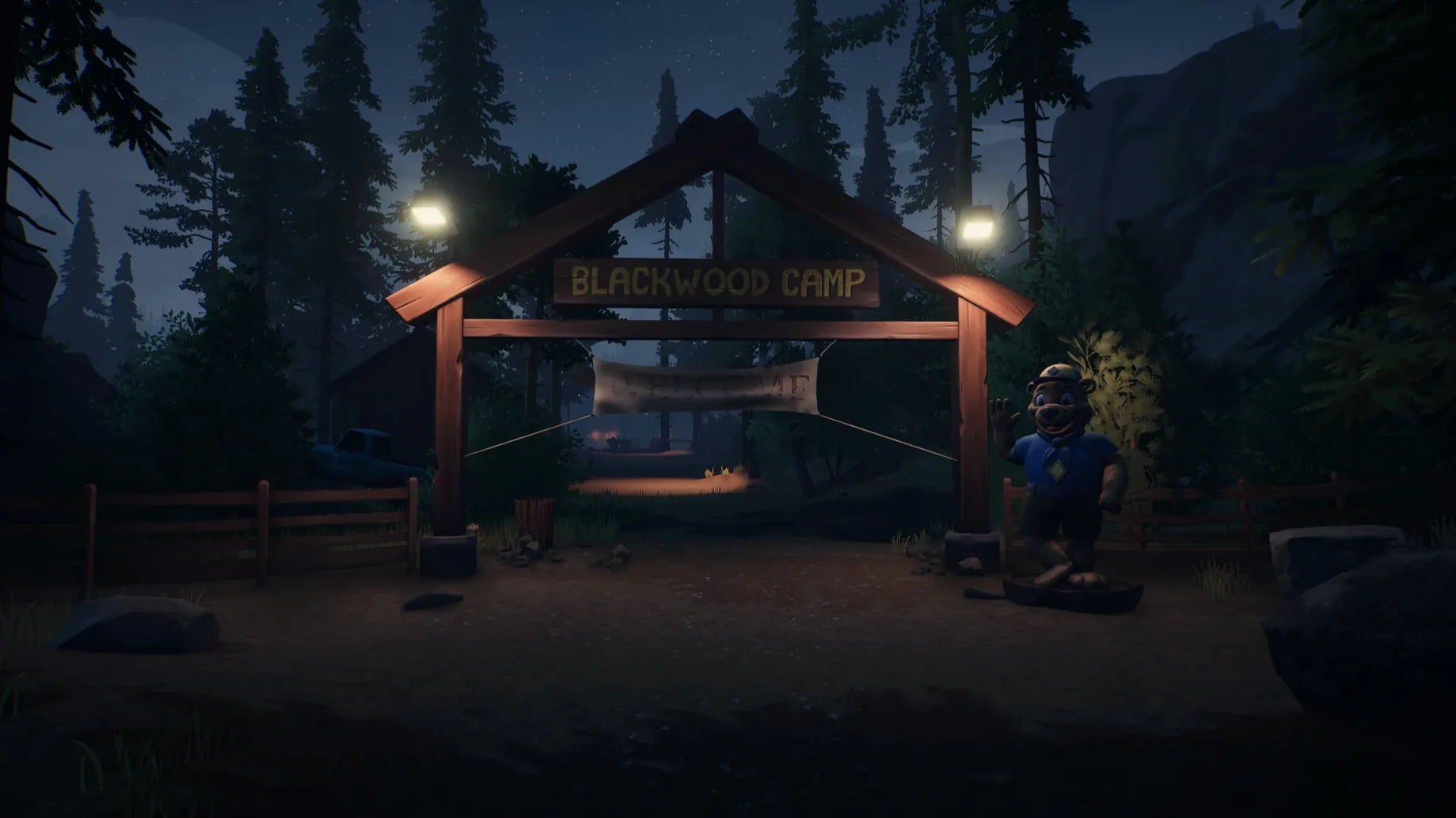
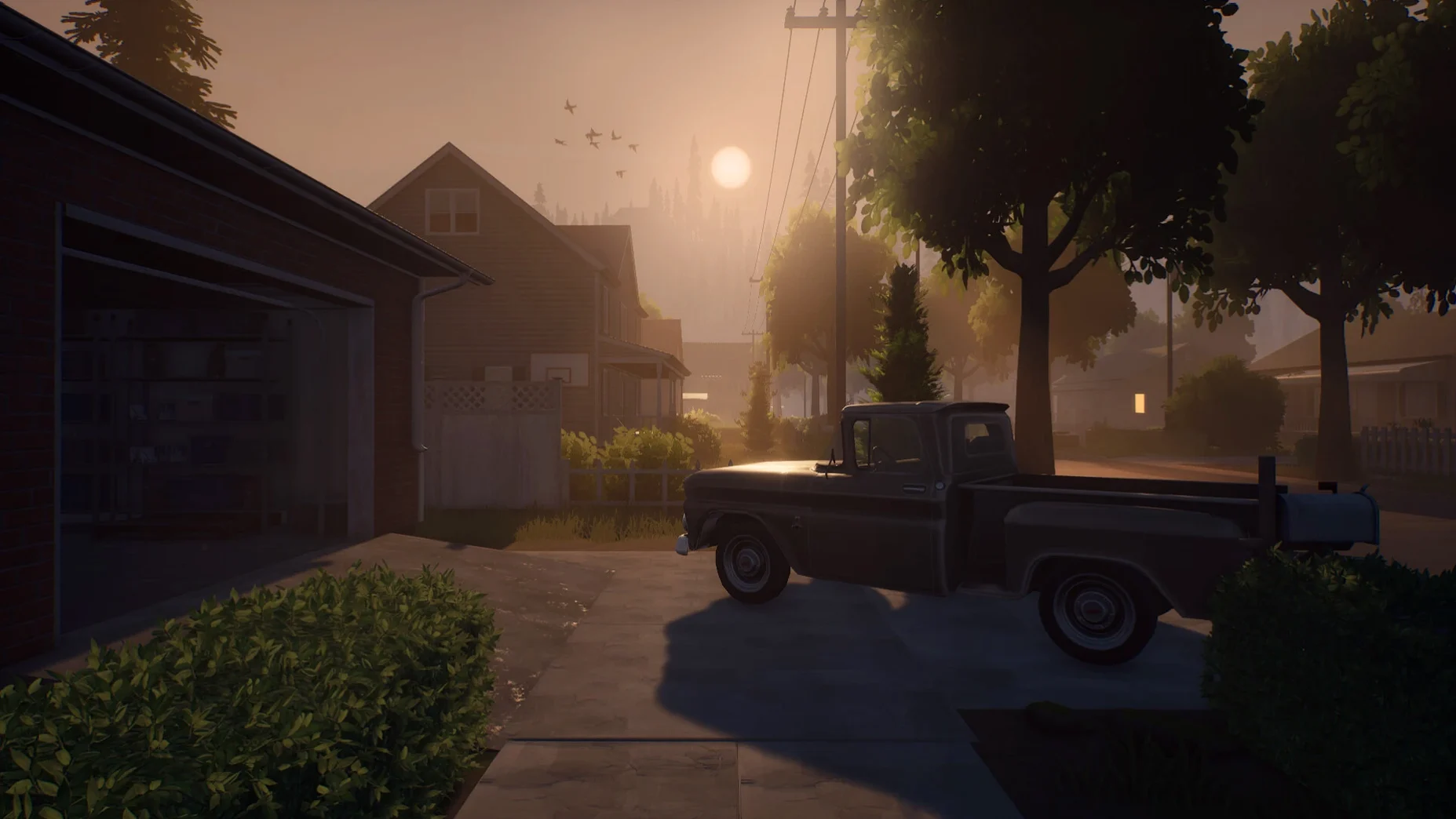
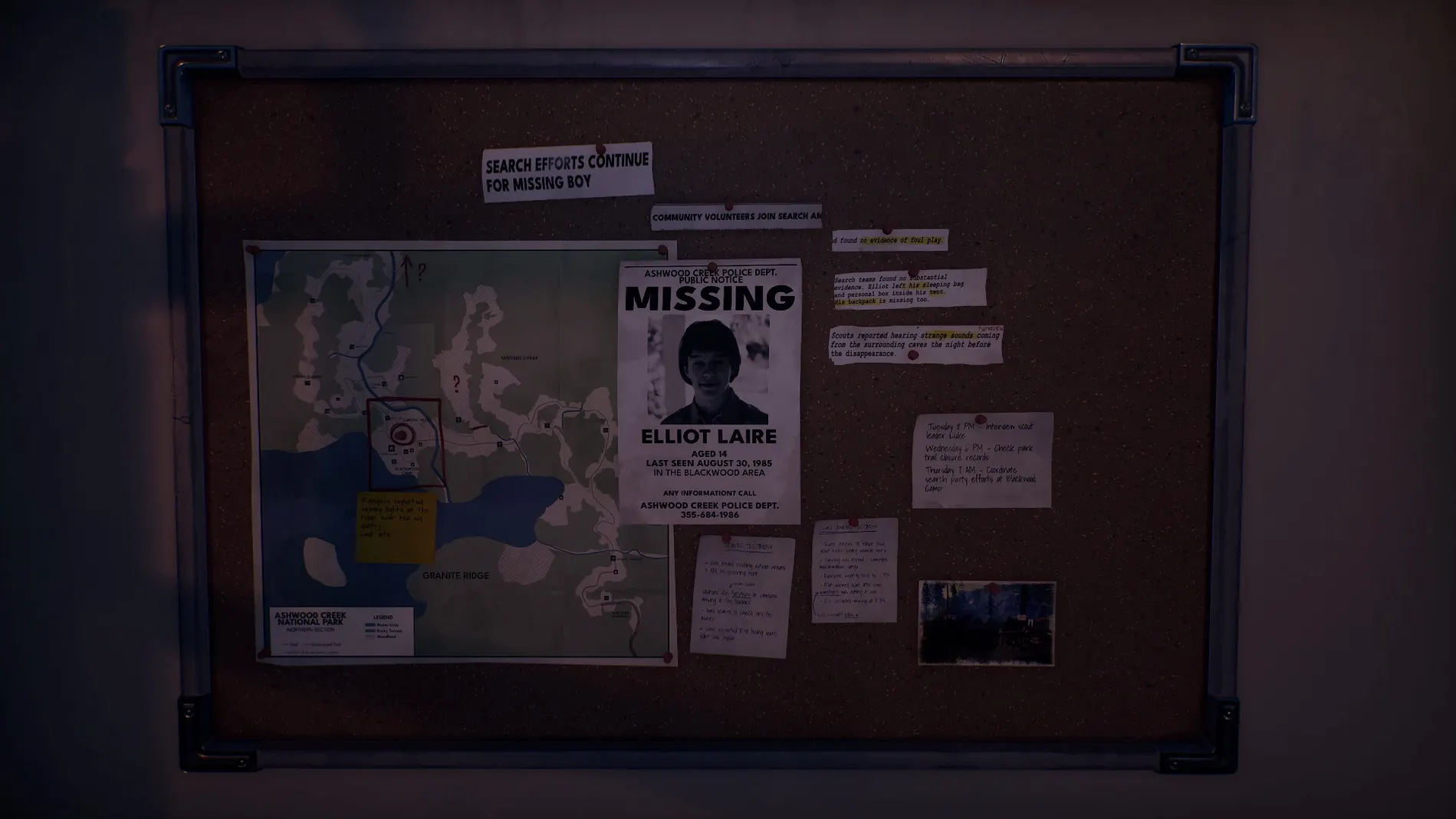
Patrolling Ashwood Creek for a missing teen
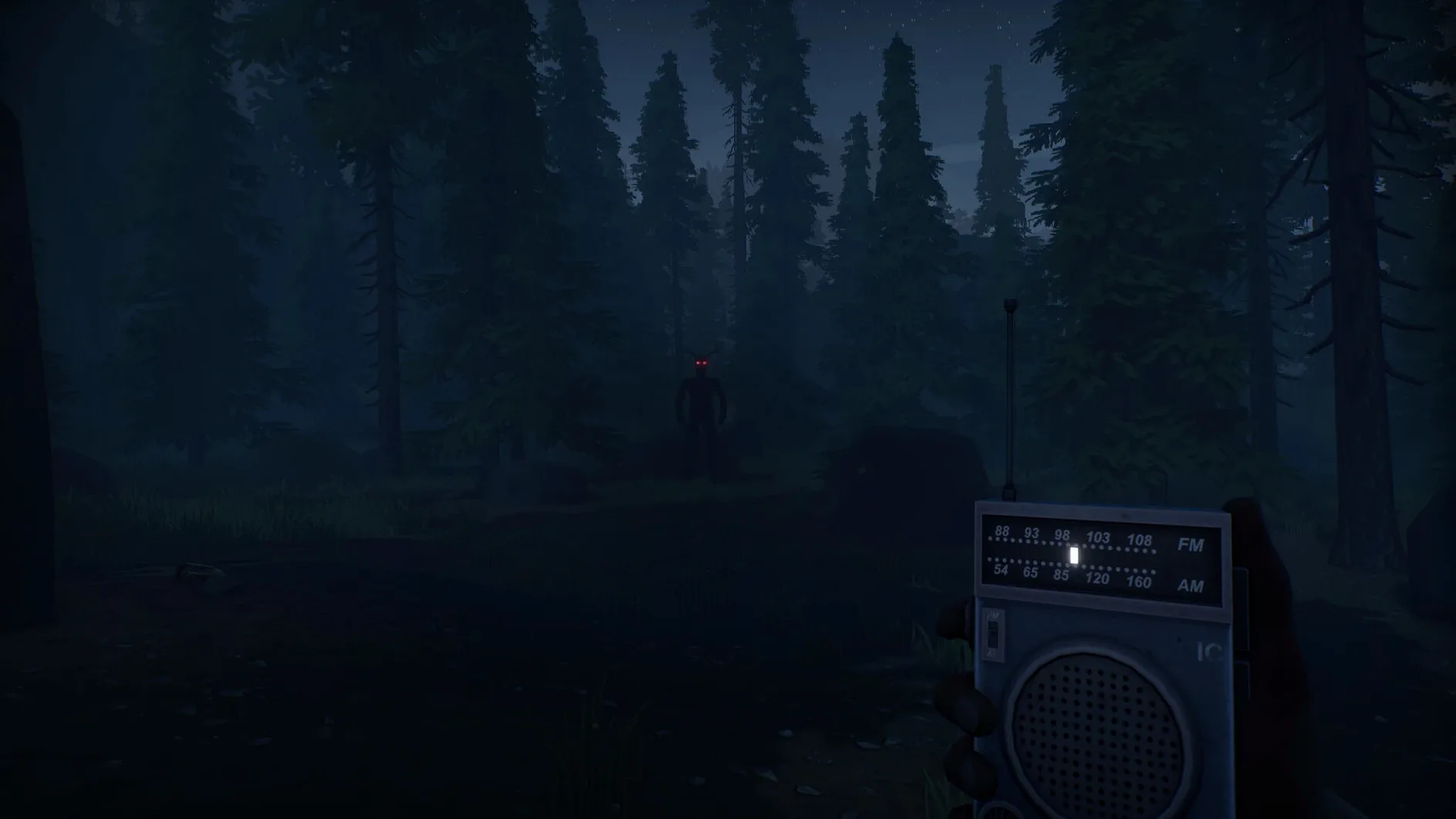
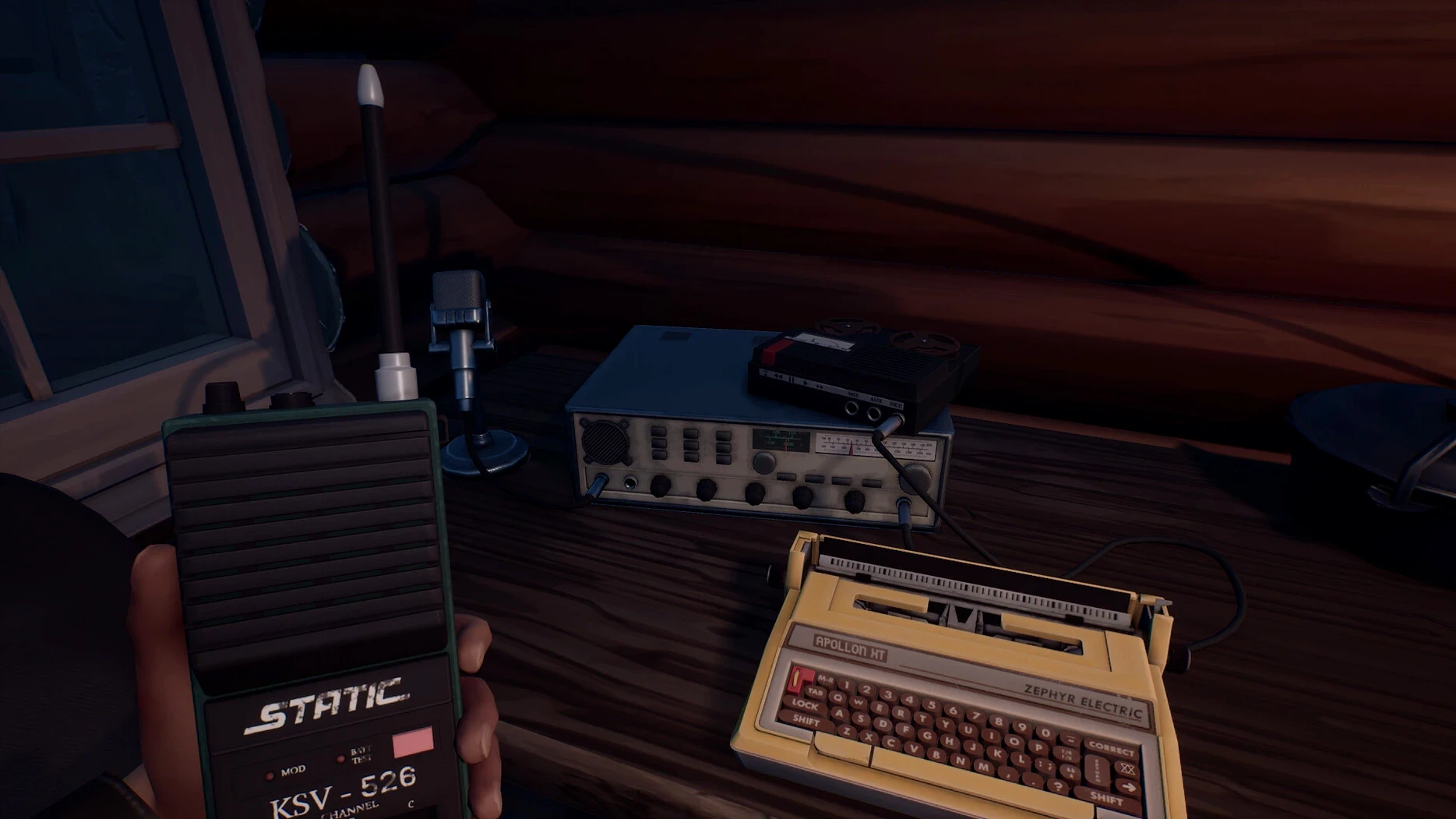
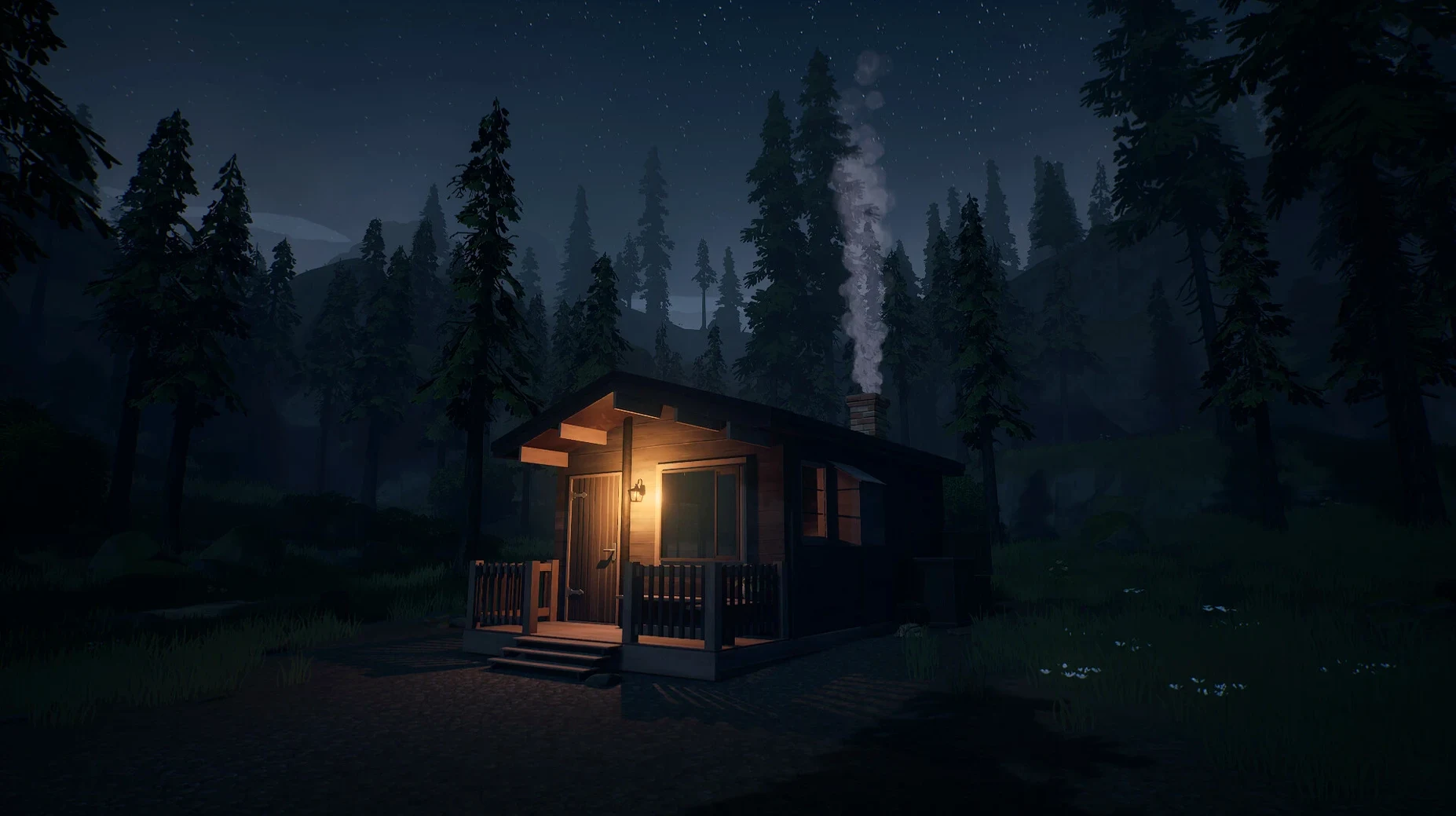
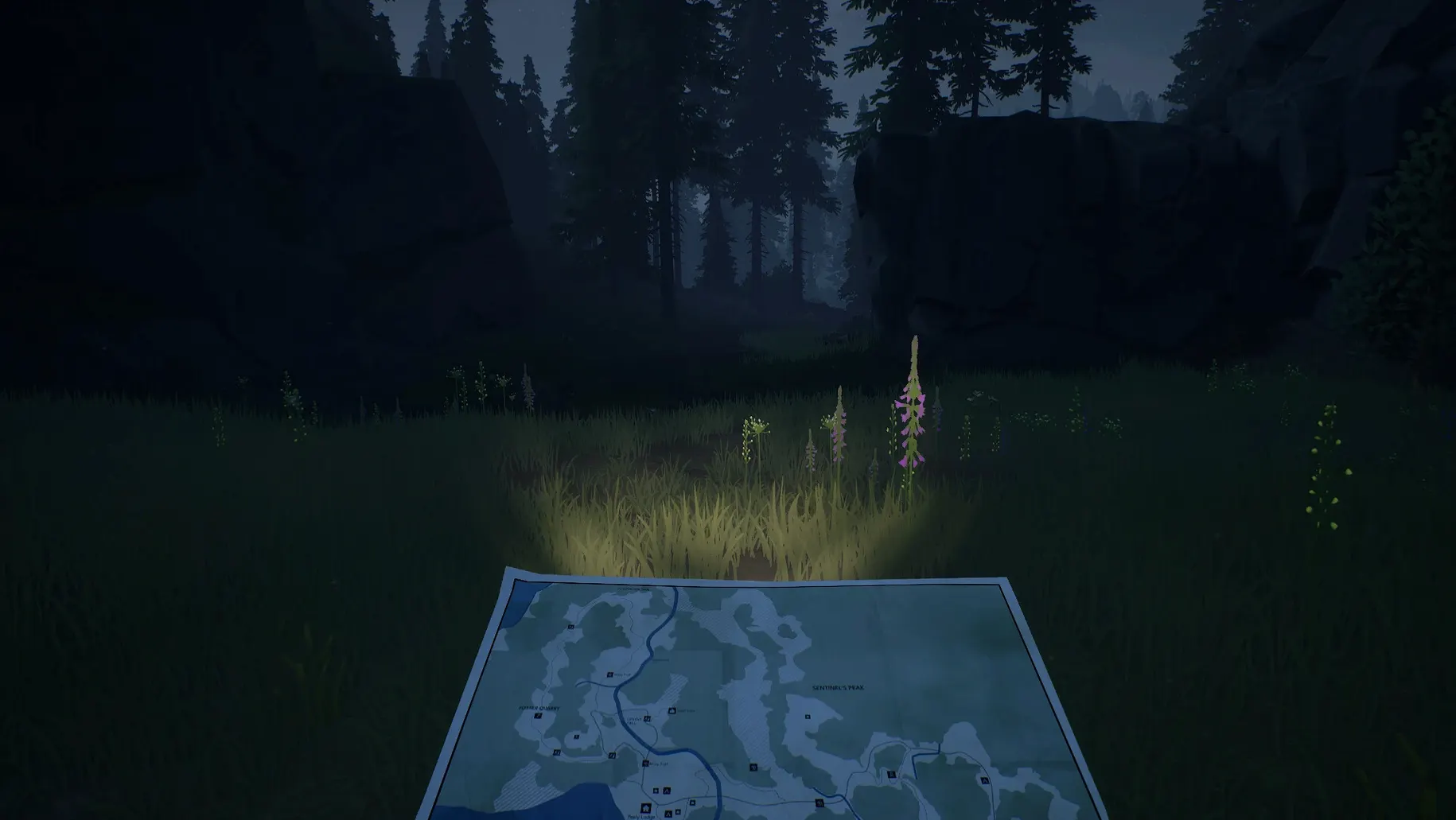
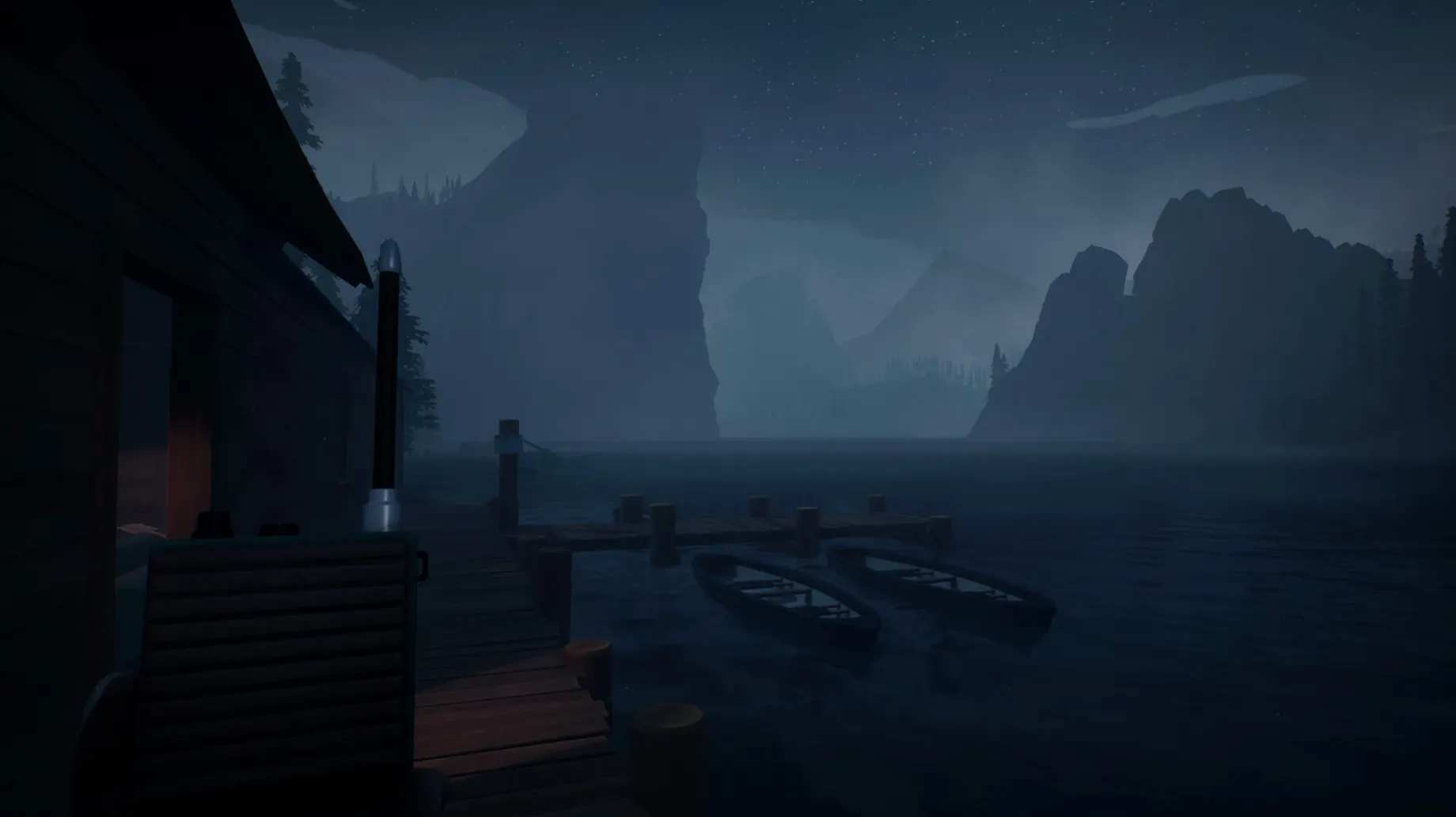
You control Ethan, a police officer returning to Ashwood Creek. A teenager has disappeared, and the town radio static carries a signal that does not belong. The core loop splits between walking the town and its surroundings to examine scenes, and operating the radio itself. You dial through frequencies, listening for the strange signal that broke through the noise. Robert, your childhood friend and the town’s police chief, stays in contact via walkie-talkie, feeding you context and the occasional uneasy warning. The radio is not a cutscene device — you work it manually with the Tab key, stopping on fragments of voice or tone that feel out of place. Between signal hunts, you move through fixed-camera environments, picking up on the quiet wrongness of a place where people keep vanishing.
Supernatural thread and structure
Krystof Knesl lists it as an Adventure and Indie title, set for a full 2025-10-23 release. The supernatural elements surface through the radio work: voices that should not be there, signals that do not match any known source. Interface languages cover Russian, English, German, Spanish, Simplified Chinese, French, and Czech — switchable from the settings. The voice acting itself is English. It is a slow-burn investigation piece, not an action game. You walk, you listen, you piece together what happened to the missing teenager, and you keep the radio close because that is where the next clue — or the next threat — will come from.
Tapping Tab to cut through the signal
The opening hour throws you into Ashwood Creek without much hand-holding, so a few habits make the difference between drifting aimlessly and settling into the rhythm. First, get comfortable with the Tab key immediately — it is not a secondary control, it is the central mechanic. Practise switching frequencies while walking: the radio stays active as you move, and you will catch fragments you would miss if you only use it while stationary. Second, Robert's walkie-talkie chatter is not filler. When he repeats a detail about a location or a time of day, note it somewhere. The game does not keep a quest log. Third, if the launch throws a Wineskin error, run the Fix file from the disk image before tweaking anything else. It resolves most startup failures on Apple Silicon in one pass.
The language setting sits in the game's own options menu, independent of your system locale. If you installed the Russian version and want English, the build notes describe a file removal step — check the readme inside the disk image for the exact filename to delete. Switching mid-game works, but restart the app afterwards or some UI strings stay in the previous language.
Swapping the Czech interface before Ethan moves
You launch Radiolight on a quiet evening. The title screen loads — English voice, Czech interface because you forgot to switch it last time. You change the language in settings, restart. Ethan stands at the edge of Ashwood Creek National Park, late afternoon light filtering through the trees. Robert's voice crackles over the walkie-talkie: a ranger reported something near the old fire tower, but the transmission cut off. You press Tab and the radio overlay appears, frequency dial hovering at 104.6 MHz. Static. You turn the dial slowly — 97.1, 98.4, 101.2 — and at 103.9 a voice, barely audible, repeating a number. You stop, listen, write down the digits. The signal fades.
You walk the trail toward the fire tower, camera angles shifting with each screen. A backpack lies near a bench — empty, tags torn off. You examine it, and Robert chimes in with a name: the missing teenager's. The radio is still on; you cycle frequencies again and catch the same voice, louder now, layered over what sounds like a weather report from 1985. The two audio sources do not belong together. You head deeper into the park, and the walkie-talkie hisses with interference that is not atmospheric — something in the signal is responding to your position. The session ends with you standing outside a ranger station, radio in hand, a child's voice coming through on a frequency that should be dead.
A radio mystery that outruns Firewatch’s relationship drama
Against Firewatch, the comparison is almost too easy: both put a radio and a guiding voice at the centre of a mystery in a national park. But Firewatch is a relationship drama wrapped in a walking sim; Radiolight leans harder on the radio as a puzzle instrument rather than a conversation device. You are not just listening — you are hunting signals, interpreting interference, and the tone is supernatural from the first hour, not psychological ambiguity. Firewatch plays natively on macOS; Radiolight's Wineskin wrapper adds a small friction at install but the trade-off is a grittier, lower-fidelity aesthetic that suits the 1985 setting.
Oxenfree shares the radio-as-game-mechanic idea, but its execution is a side-scrolling narrative with dialogue wheels and teen-cast banter. Radiolight is slower, first-person, and solitary even when Robert is speaking. Where Oxenfree treats the radio as a tuning minigame that unlocks story gates, Radiolight treats it as an investigative tool you use continuously — the threat comes through the signal, not from a separate enemy.
Kona — a detective story set in 1970s rural Quebec with supernatural undertones — matches the investigative pacing and the sense of isolation. Both games let you walk through a cold, quiet place and piece together a disappearance. Kona gives you a journal and survival meters; Radiolight gives you a radio and a voice on the other end. The difference is focus: Kona spreads itself across survival, driving, and inventory management, while Radiolight narrows everything down to two inputs — your feet and the frequency dial. If you appreciated Kona's atmosphere but wanted fewer systems between you and the mystery, Radiolight sits in that space.
- macOS: Tested on macOS Tahoe
- Architecture: Apple Silicon (M-series)
- Test hardware: Mac mini 2024 M4
- Wrapper: Wineskin 0.9 build
Sign in · Create an account to add a field note.
No field notes yet. A measurement, a version, a machine — they appear after moderation.