Games
Routine 1.9.0.0
GamesUpdated
| Requirement | On file |
|---|---|
| macOS | See the sheet |
| CPU | Apple Silicon |
| Download | 10.2 GB |
| Tested on | macOS Tahoe, Mac mini 2024 M4 |
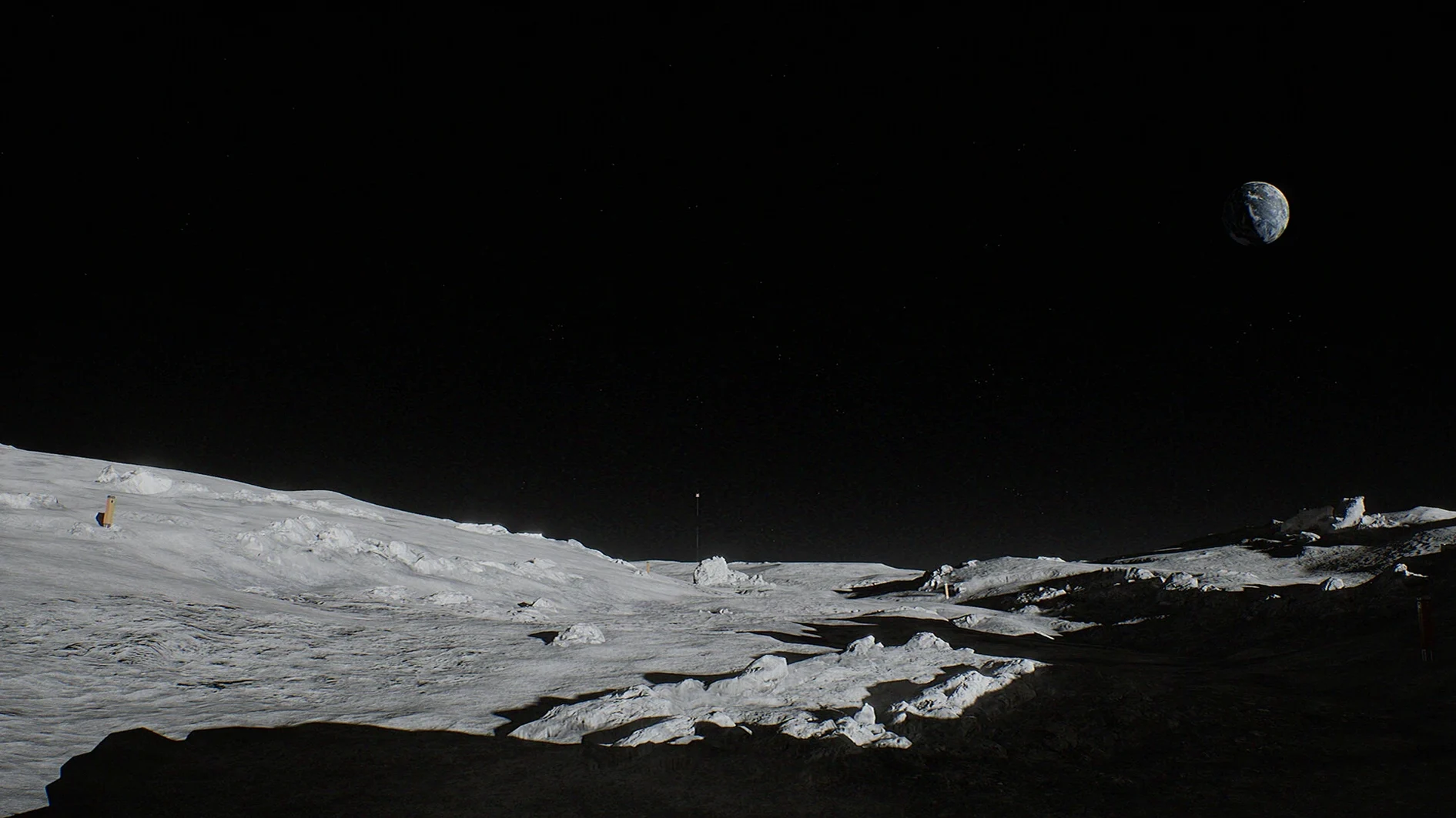
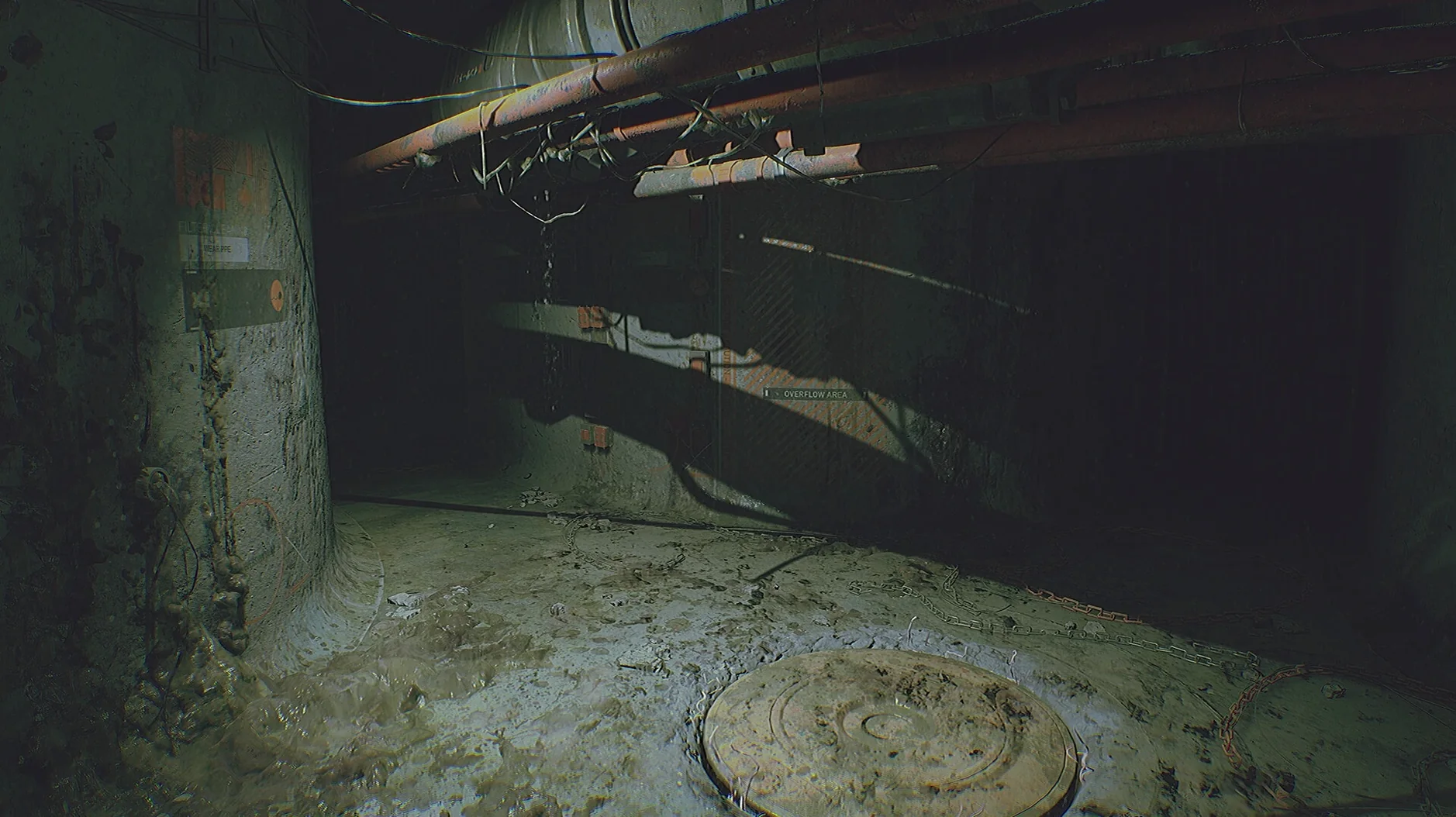
Players who favour slow-burn dread over jump-scare galleries tend to find their footing on the abandoned lunar base of Routine. It is a first-person survival-horror title built around isolation, observation, and the constant possibility that something is following you through the dark.
A single-player lunar station built on cassette-futurism and CRT terminals
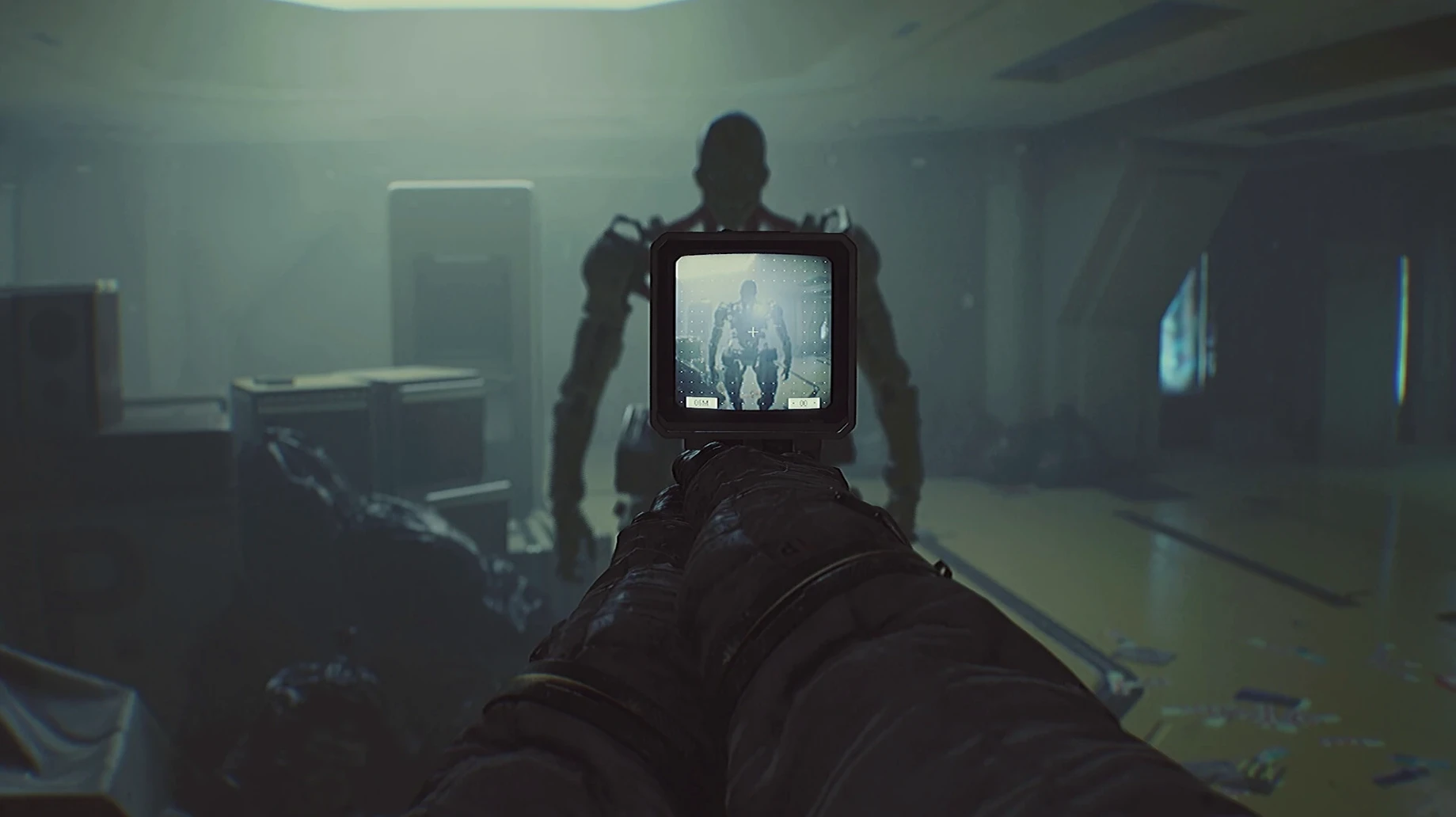
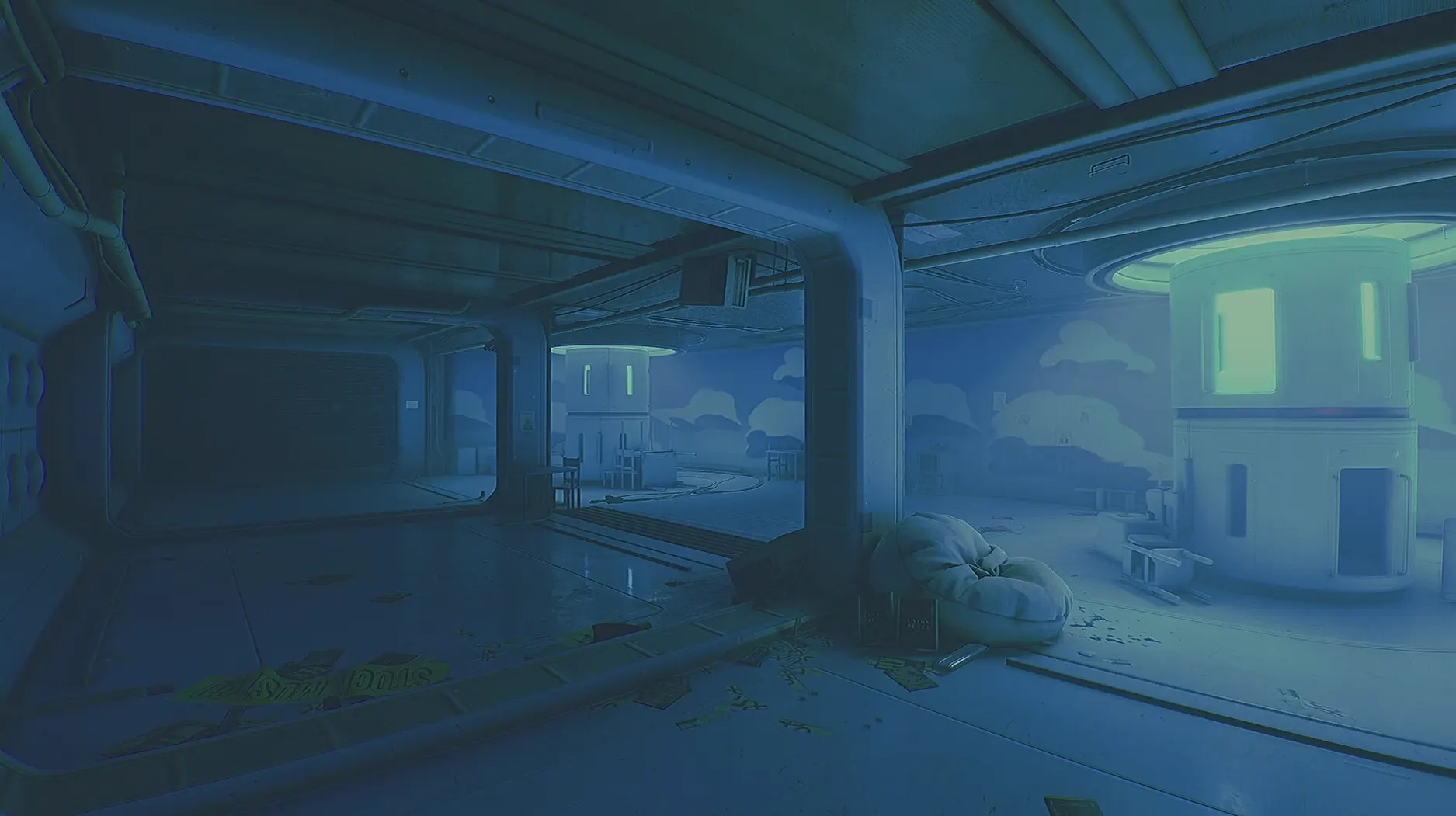
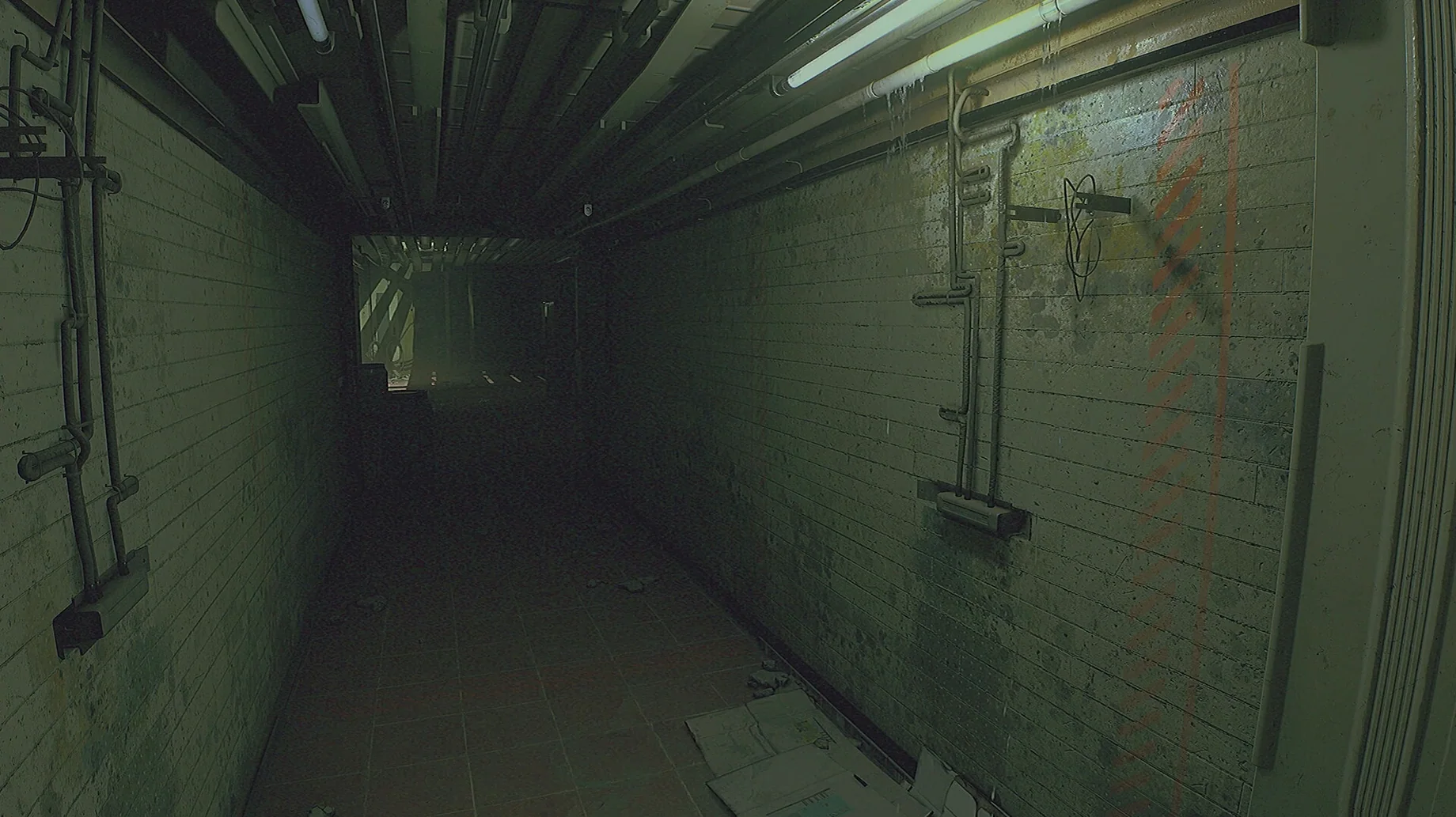
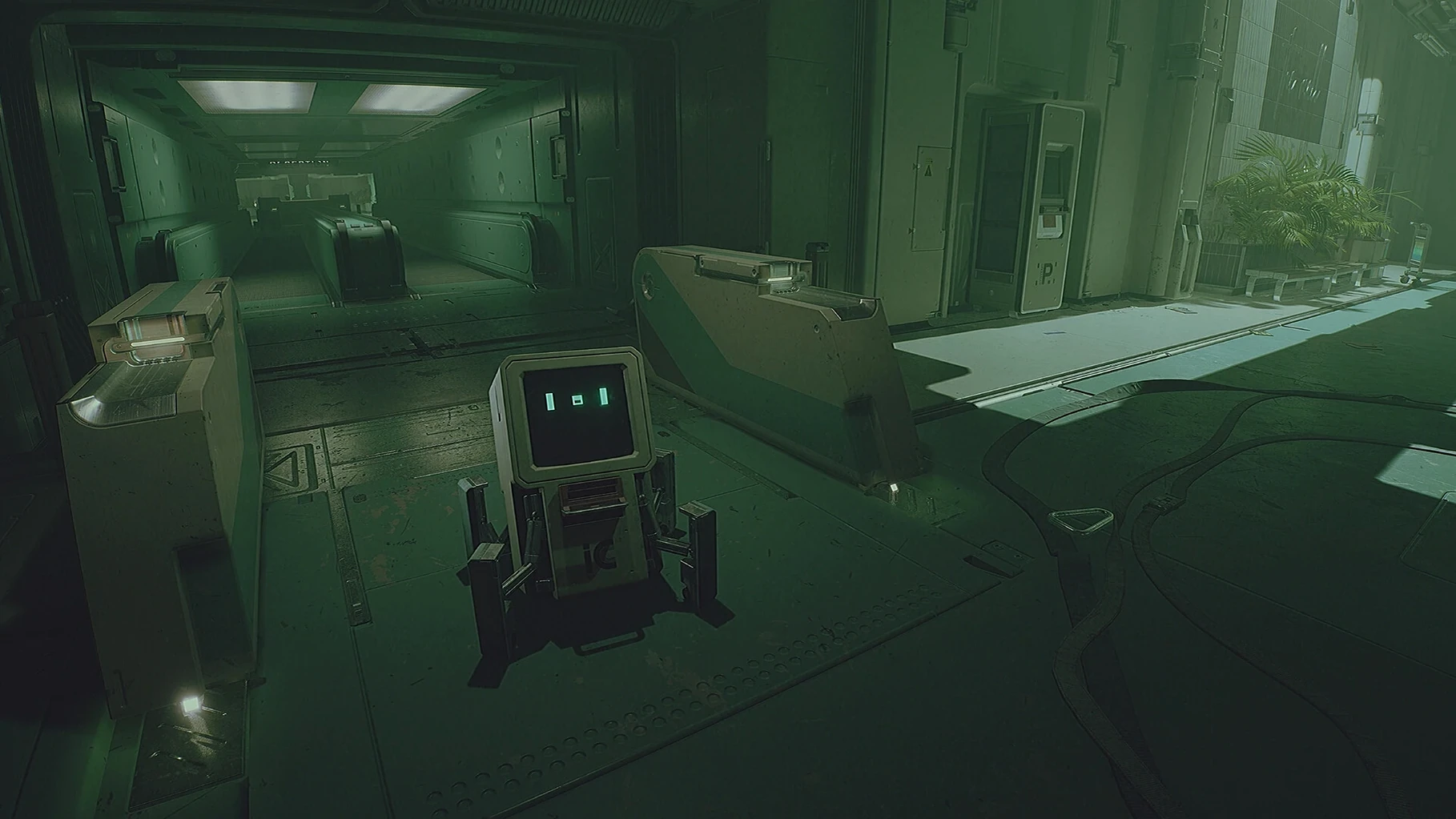
It is a first-person survival-horror experience set entirely on a single lunar station. The design language draws from an 1980s vision of the future—cassette-futurism corridors, CRT terminals and chunky mechanical interfaces. There are no squadmates, no radio chatter from mission control. You are alone with the station’s logs and the thing that moves through it.
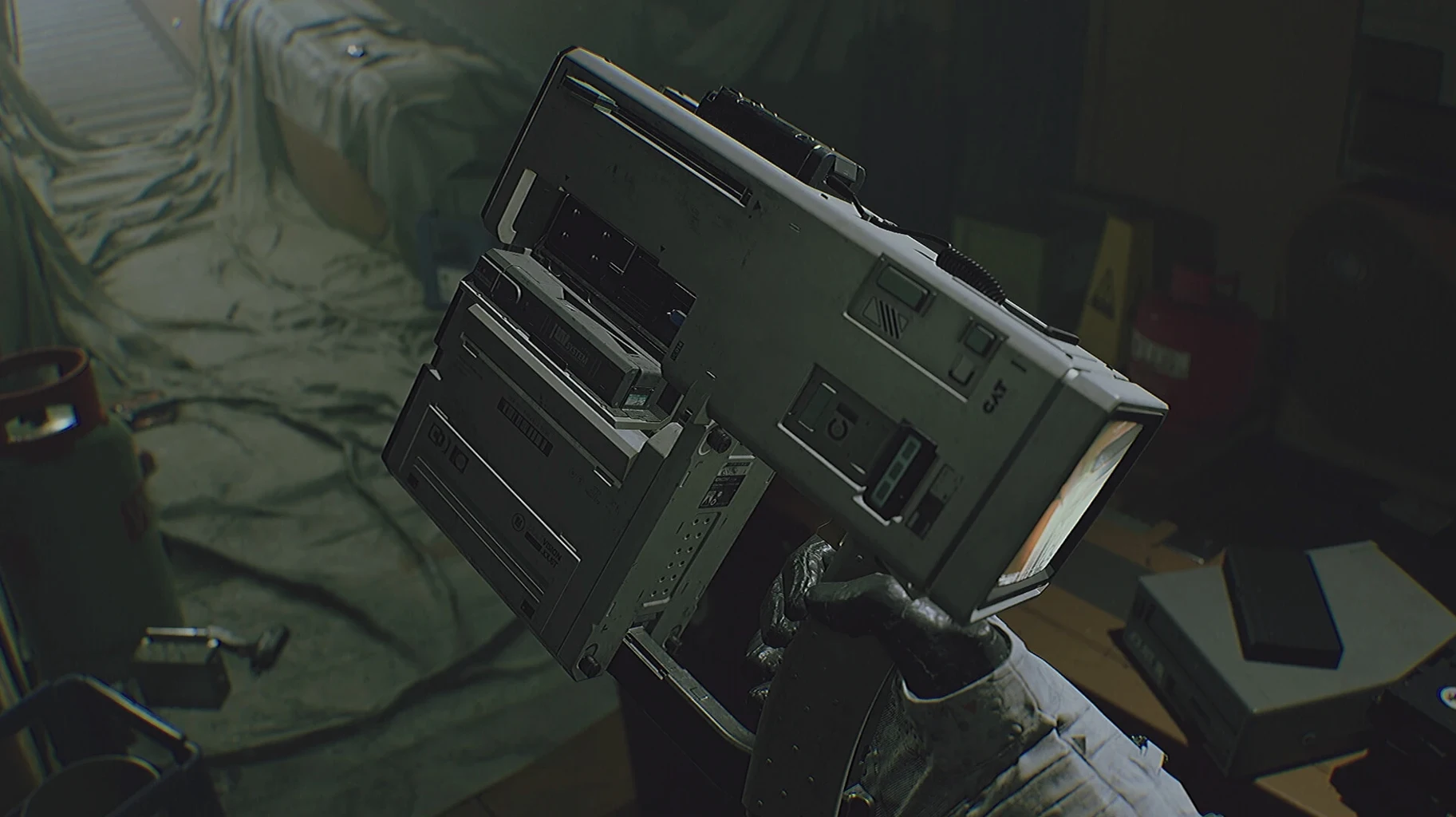
Navigate with the Cosmonaut Assistance Tool as your only station interface
Exploration and observation drive most of the time spent. You use the Cosmonaut Assistance Tool—a personal assistant device—to access terminals, navigate the station layout and pull clues from the environment. The tool is your only real interface with the station’s systems, and losing track of it is not an option.
How does the threat work?
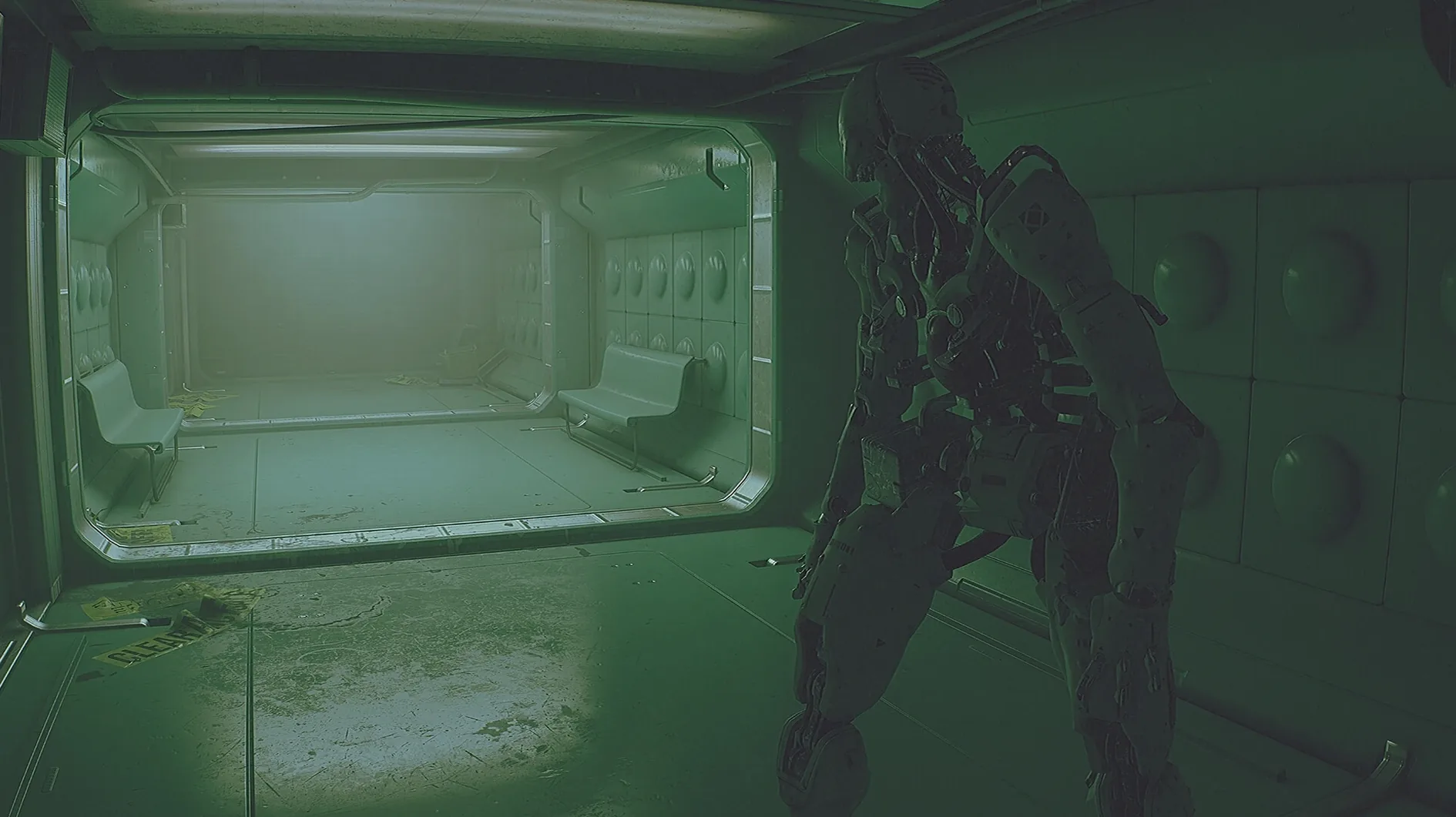
A single enemy stalks the base, and it adapts to your behaviour. You can run, you can hide, or you can fight, but none of those choices come with a guarantee. The creature does not follow scripted patrol loops, so each encounter depends on how much noise you have made and which routes you have used.
A session inside the station
You step off the crew transport into a reception hall lit only by emergency strips. The Cosmonaut Assistance Tool boots with a low hum, and its monochrome display fills with a wireframe map of the nearest wing. No mission markers appear. No compass arrow rotates at the edge of the screen.
The first fifteen minutes go to learning the tool itself. You plug into a wall terminal and the map updates—one corridor resolves, then a junction, then the mess hall beyond it. A log entry from the station's last shift mentions a pressure failure in Section C. That is your only lead. You walk. The metal flooring transmits every footstep back at you, and the off-screen audio keeps suggesting movement in adjacent rooms that turn out to be empty.
Twenty minutes in, you hear it. Not music. Not a sting. Just the sound of a vent cover hitting the deck somewhere ahead and to the left. You crouch behind a maintenance cart and kill the tool's backlight. The creature passes through the junction without seeing you, dragging something heavy. The moment it clears the sector, you move—quick, low, checking sightlines—toward the pressure door the log mentioned.
Half an hour later you have read three more terminal entries, rerouted power to a locked wing, and learned that the station's escape pods are not where the schematics said they would be. The creature has crossed your path twice since that first encounter. Each time you chose a different response: once you hid in a locker and waited out its search pattern, once you fired a flare gun into its face and sprinted for a bulkhead door. Both worked. Neither felt safe.
The session ends when you find a working cassette deck in the quarters of the former chief engineer. The tape plays a garbled voice memo about a launch bay override code. You copy the code into the Cosmonaut Assistance Tool. The map gains one more node. You shut down the terminal, check the corridor, and head for the bay. The game never told you to do any of this.
Mistakes that get new arrivals killed
The most common error is treating the game as a walking simulator until the creature appears, then treating it as a shooter. That switch comes too late. Routine expects you to move as though the enemy already knows where you are, even when the station is silent. New players often sprint through long corridors without checking junctions beforehand, which leaves them with no fallback route when the creature cuts off their path.
Another early habit is ignoring the Cosmonaut Assistance Tool's audio cues. The tool does not just display data—it pings softly when a new terminal is within range and changes pitch when a log entry contains actionable information. Beginners who play with music or external comms running miss these signals entirely and end up looping through explored sectors, frustrated and exposed.
Over-reliance on hiding spots is a third trap. Lockers and maintenance closets work once, sometimes twice. The creature learns. A player who ducks into the same locker model three times in a session will find the door wrenched open on the fourth attempt. The game does not explain this adaptation. It simply punishes repetition.
Fighting without an exit is the last common misstep. The flare gun and the few other tools you find can stagger the creature, but they will not end the pursuit on their own. Firing without a bulkhead door, vent shaft or alternate corridor already identified means you have bought three seconds of distance and lost your only means of buying it again.
Built for players who map spaces from partial information and read every log
The game rewards players who enjoy piecing together a space from partial information. If you are the kind of Mac user who maps out a Dark Souls area in your head before moving through it, or who reads every log entry in a System Shock terminal even when none of them are marked as critical—Routine is built for that temperament. The station does not care whether you understand it. You have to decide to care.
Horror fans who prefer tension over spectacle tend to last longer here. The creature does not announce itself with cinematic flourishes, and the audio design relies on off-screen sounds that may or may not be the enemy. A distant clang could be the station settling, a routine mac full version of a log playing in another room, or something moving toward you through the crawlspace. The ambiguity is the point.
Players who value interface restraint also find a lot to like. The HUD is almost nonexistent. You glance down to check the Cosmonaut Assistance Tool; you look at door panels to read pressure levels; you listen for audio cues rather than watching an objective list update. It is a game that asks you to observe the world itself rather than any of its UI overlays.
People who want a single-sitting adrenaline arc should look elsewhere. Routine is for the player who will spend forty minutes in a single sector not because they are lost, but because they are methodically pulling on every thread the station offers before moving deeper.
- Release — Routine launched on December 4, 2025.
- Apple Silicon Mac (ARM architecture)
Sign in · Create an account to add a field note.
No field notes yet. A measurement, a version, a machine — they appear after moderation.