
Games
Songs of Syx 0.71.52
GamesUpdated
| Requirement | On file |
|---|---|
| macOS | See the sheet |
| CPU | Intel 64-bit |
| Download | 345 MB |
| Tested on | macOS Tahoe, Mac mini 2024 M4 |
A cold spring hits your first wheat harvest, food reserves dip, and a noble in your meagre population of forty decides he should rule instead. The next hour is spent calming a riot before your entire fledgling colony walks out into the wilderness.
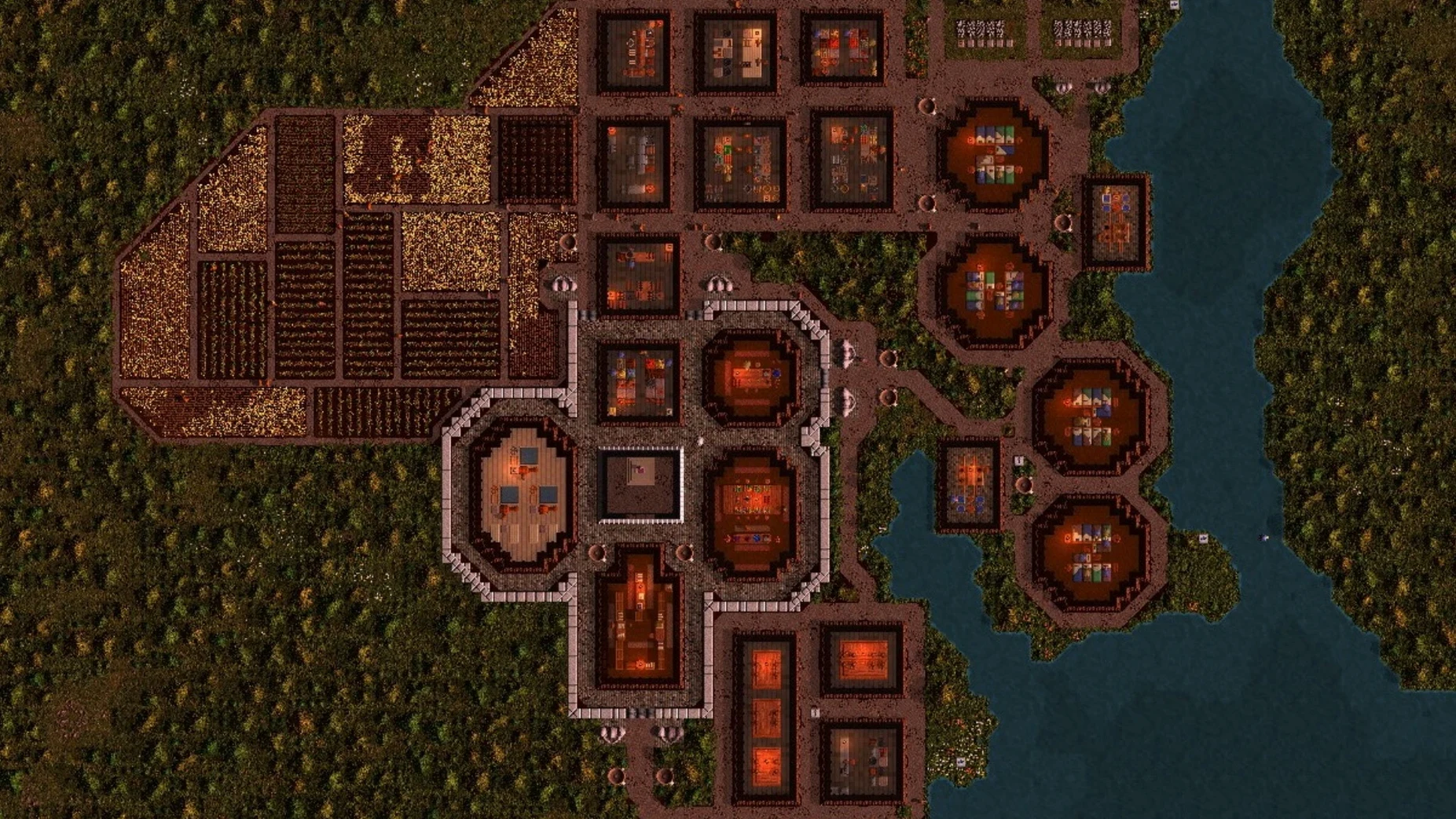
Colony start — You place a stockpile on an open field, mark out some farms, and watch settlers haul stone. The simulation runs every citizen individually, so a stuck labourer really does stop a building going up.
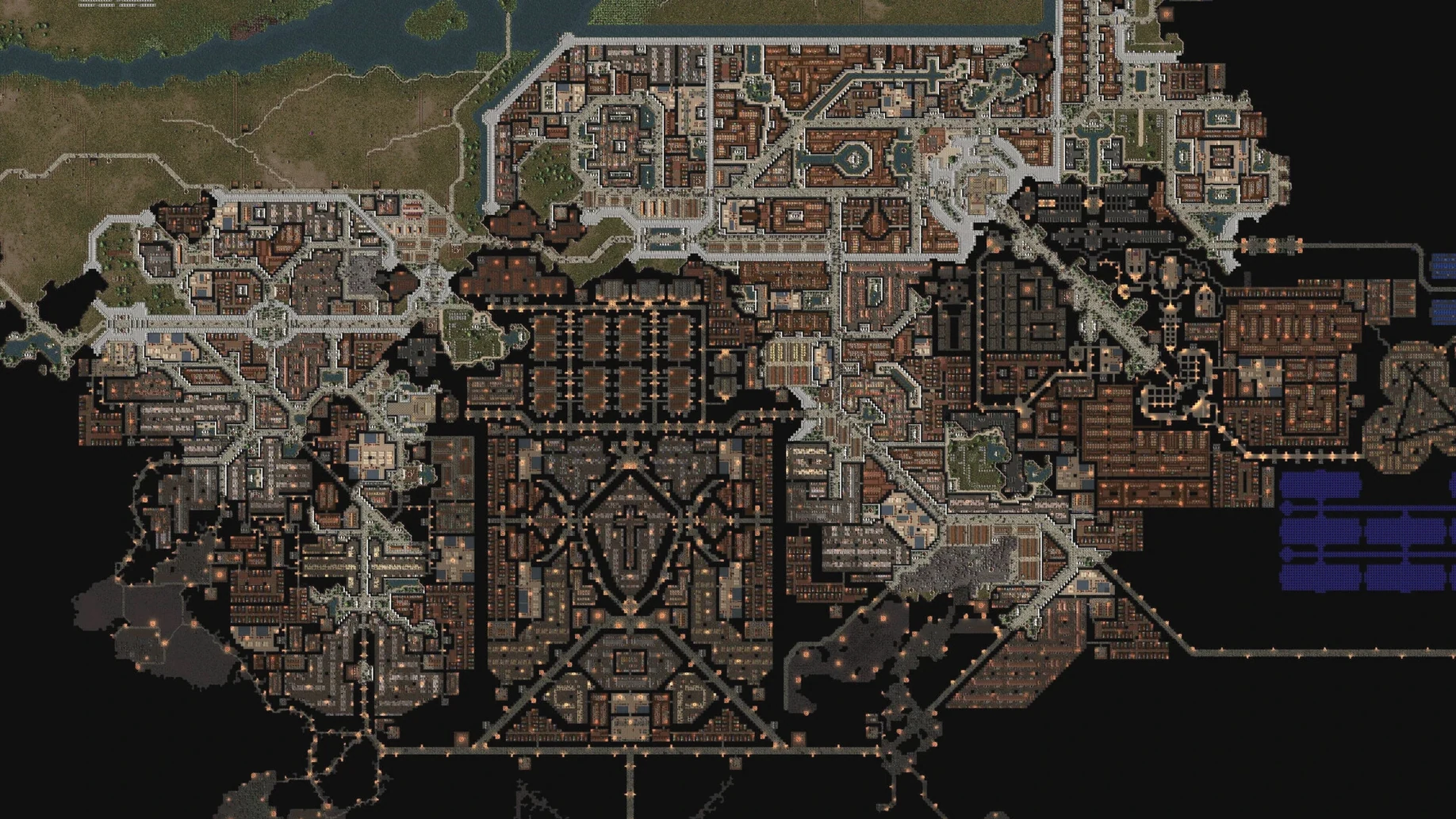
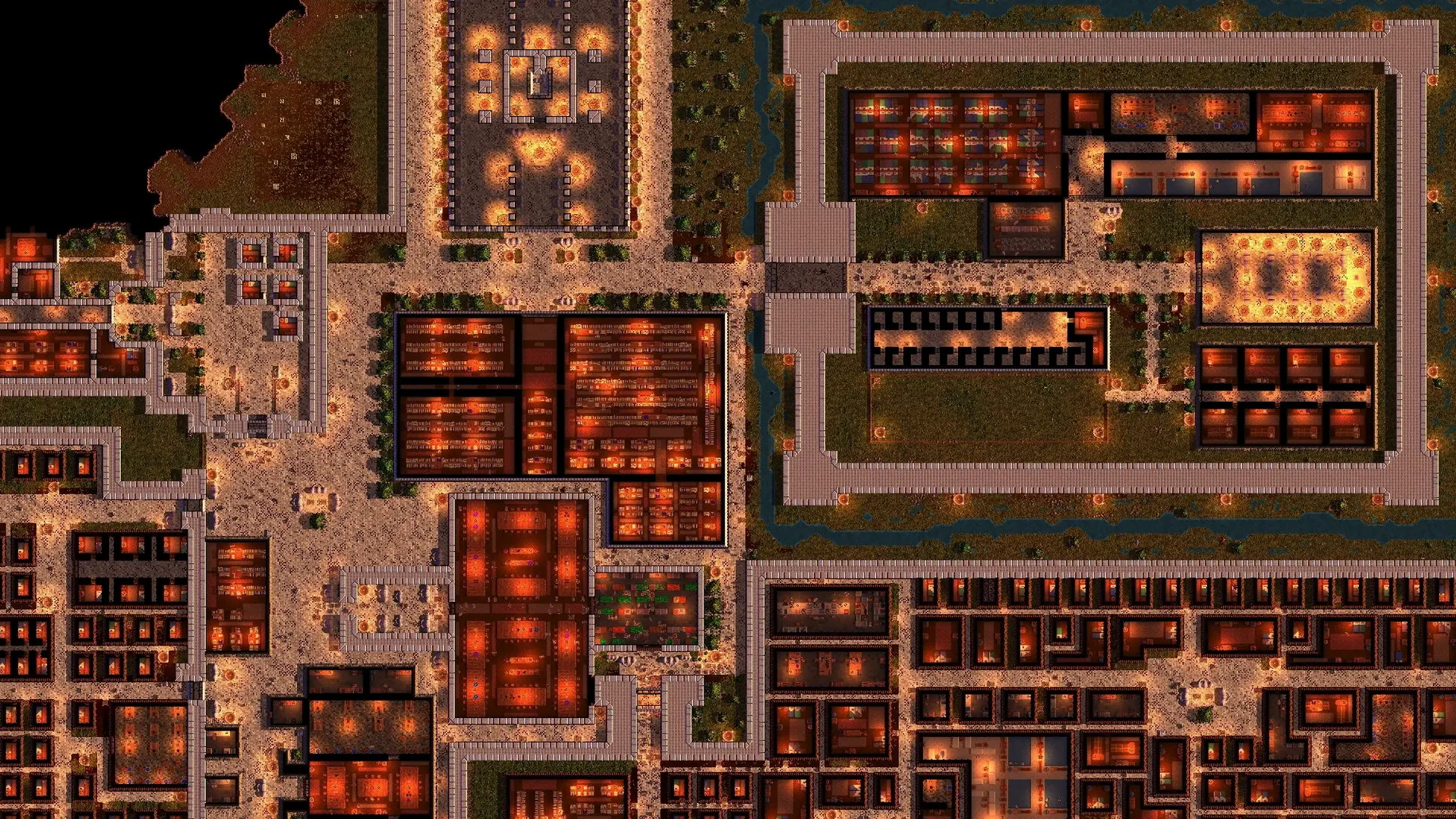
Scaling up — The same settlement that fit on one screen can grow into a city of thousands. District supply chains and road networks start to matter; so does room for immigrant waves that show up with their own species traits and rough opinions of your current majority.
Subject satisfaction — Happiness is not a single bar. It breaks into many stats (food variety, access to a lavatory, the sight of corpses in the street). Ignore one, and the unrest can cascade into a full loyalty collapse.
Threats — The simulation can generate a magical creature that burns through a warehouse district. Walls and military squads stop being optional once the map opens beyond your first neighbours.
A working session, hour by hour
You launch the game and load a colony of about 180 citizens. The screen opens on a stockpile clogged with raw stone. Your first move is to pause — always pause — and scan the alerts. Two fishing huts report no catch; the nearby river froze because you forgot to build a fishery on the deeper section. You unpause, mark the replacement, and watch six labourers peel off from a housing project to haul supplies.
Mid-session, a trader arrives with silk and iron. You swap surplus grain for the iron and queue a smithy upgrade. While the deal window is open, you check the satisfaction panel. Nobility happiness sits at 32 percent. The reason: no dedicated lavatory wing in their quarter. You drop two latrines into the noble district blueprint and assign a cleaner. The number ticks up to 41 percent before you close the panel.
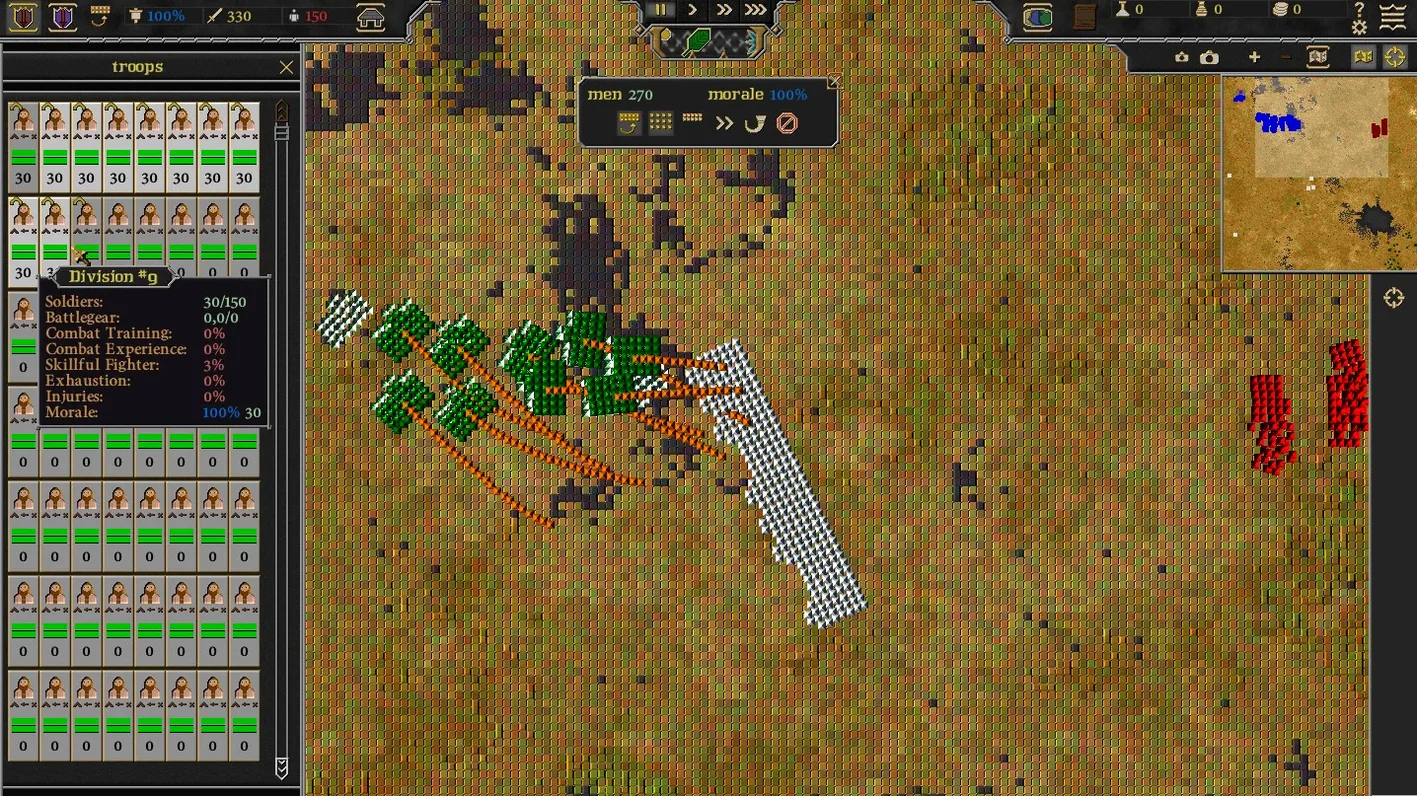
An hour in, the map music shifts. A herd of wild cretonids wanders into the outer wheat belt. You draft fifteen militia from the nearest barracks, set a defensive line by the mill, and watch the creatures tear through a field before your troops reach them. Losses: one farmer, half a harvest. The grain reserve dips by two hundred units. You adjust the ration limit in the food distribution menu to stretch the remainder and order a hunter group to thin the herd before it circles back.
By the final hour, you are laying out a new residential block for an immigrant wave that arrived with three different species and a grudge against your current majority. You assign them a separate mess hall and temple to keep tensions low. Before you save and quit, you queue a wall segment along the eastern approach — the place where the cretonids came from — and set the build priority to high. The session ends with a city that is slightly hungrier, slightly better defended, and one noble family less likely to revolt.
Tracing Loyalty Collapse Across Three Systems
The simulation rewards players who enjoy tracing a problem back through three systems. A sudden drop in loyalty rarely has one cause. It may begin with a missed corpse collection that tanked sanitation, which pushed a district into low mood, which let a rival noble recruit supporters. People who read tooltips, check sub-panels, and keep a mental map of supply chains will find that the game gives back what they put in.
Mac users who have spent time with colony sims like RimWorld or grand-scale builders like Pharaoh will recognise the rhythm. The difference here is raw scale: the jump from a hamlet of thirty to a city of three thousand changes the nature of every decision. Road layouts, granary placement, and species-specific housing districts become infrastructure problems, not flavour choices. If that layered complexity appeals, the game fits.
Players who prefer tight narrative direction or short, self-contained missions may bounce off. The game does not hand you a story; it hands you a set of interlocking simulations and says keep it running. Modest colonies can be cosy, but past a few hundred citizens the management load becomes genuine. The kind of person who enjoys optimising a production chain while a blizzard starves the outer farms is exactly the kind of person this build targets.
First days: practical starting points
- Play the tutorial colony first. Even if you know city-builders, the interface layers are dense. The tutorial walks through stockpile logic, room designation, and the satisfaction panel without throwing a raid at you in the first twenty minutes. Spend thirty minutes here before starting a real run.
- Keep the colony small for the first year. A population under fifty is easier to feed, heat, and police. Use that time to learn how nobles behave, how food variety affects mood, and how quickly a single corpse in the water supply can spiral. Expansion is easy; recovering from a death spiral with two hundred citizens is not.
- Learn the hotkeys for room types and overlays. Dig through the control settings early. Switching between the room overlay, satisfaction heat map, and military view with keyboard shortcuts saves real minutes in a session where a creature attack can happen mid-construction.
- Watch the species breakdown after every immigrant wave. Different species have different climate tolerances, food preferences, and opinions of one another. A wave that doubles your population but introduces two groups that hate each other can undo a stable colony inside a season. The info is in the population panel; check it before you accept the next wave.
- Do not ignore sanitation. Lavatories, cleaners, and corpse disposal sound mundane. They are also the most common root cause of cascading loyalty failures in colonies between one hundred and five hundred citizens. Build them early, staff them fully, and check the cleanliness overlay once per season.
- macOS version information is not available from the source
- Architecture: Intel (x86 64-bit only)
Questions on file
What is the core simulation loop in Songs of Syx?
It runs a full fantasy world where each citizen has needs, skills, and opinions. Small resource dips or failed diplomacy can trigger larger settlement failures over weeks of in-game time.
Sign in · Create an account to add a field note.
No field notes yet. A measurement, a version, a machine — they appear after moderation.