Games
Banquet for Fools 7.31
GamesUpdated
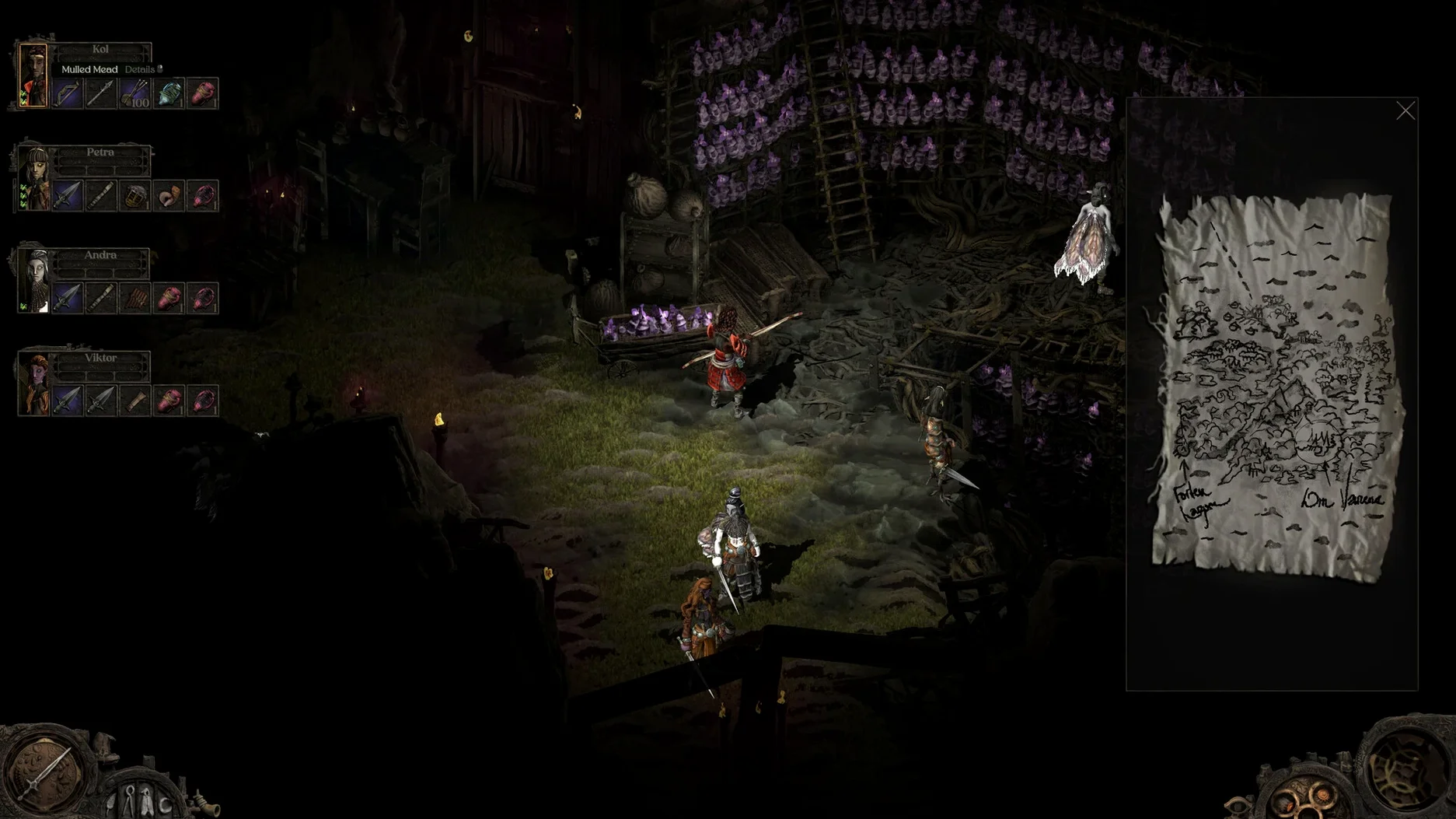
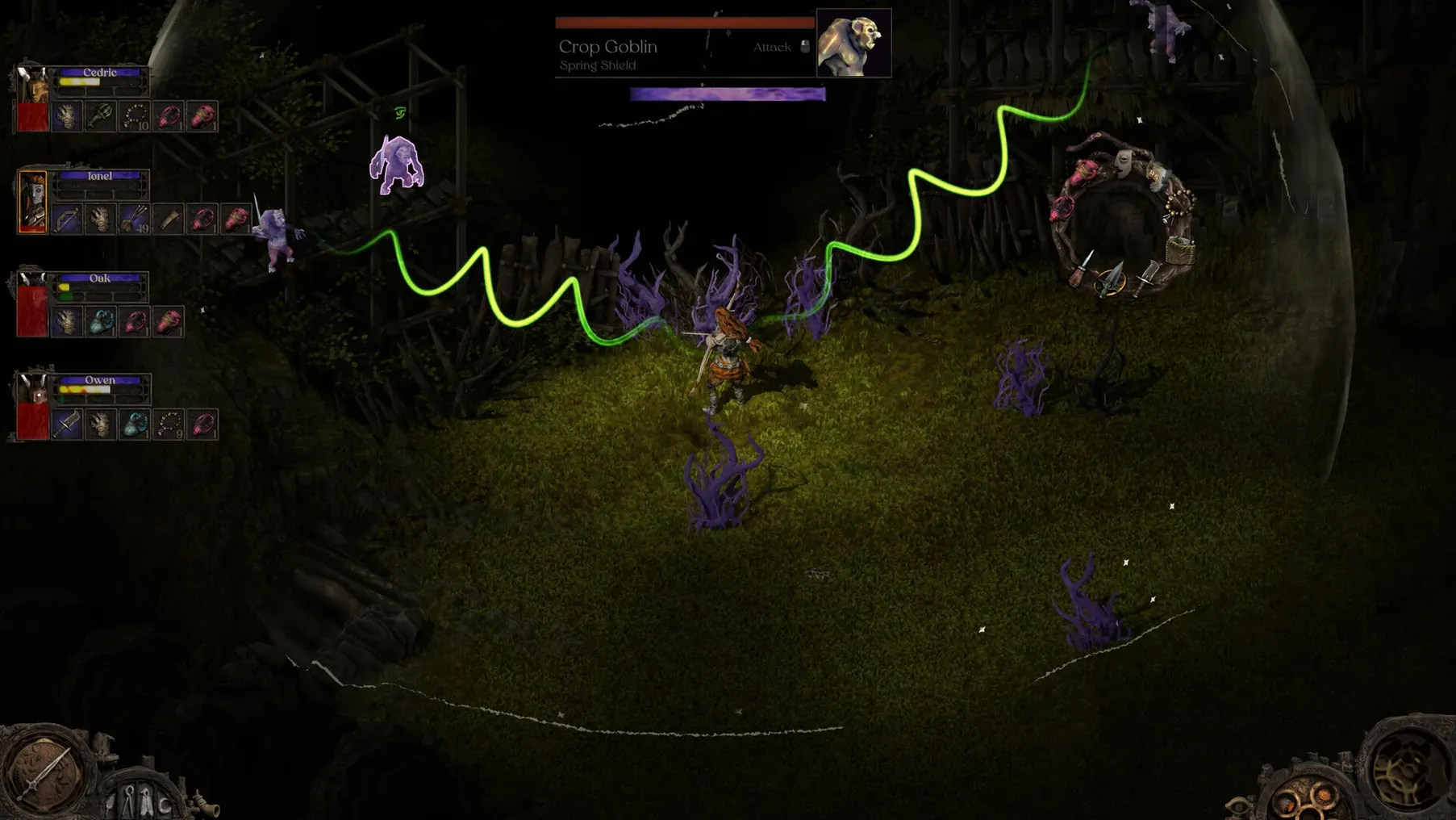
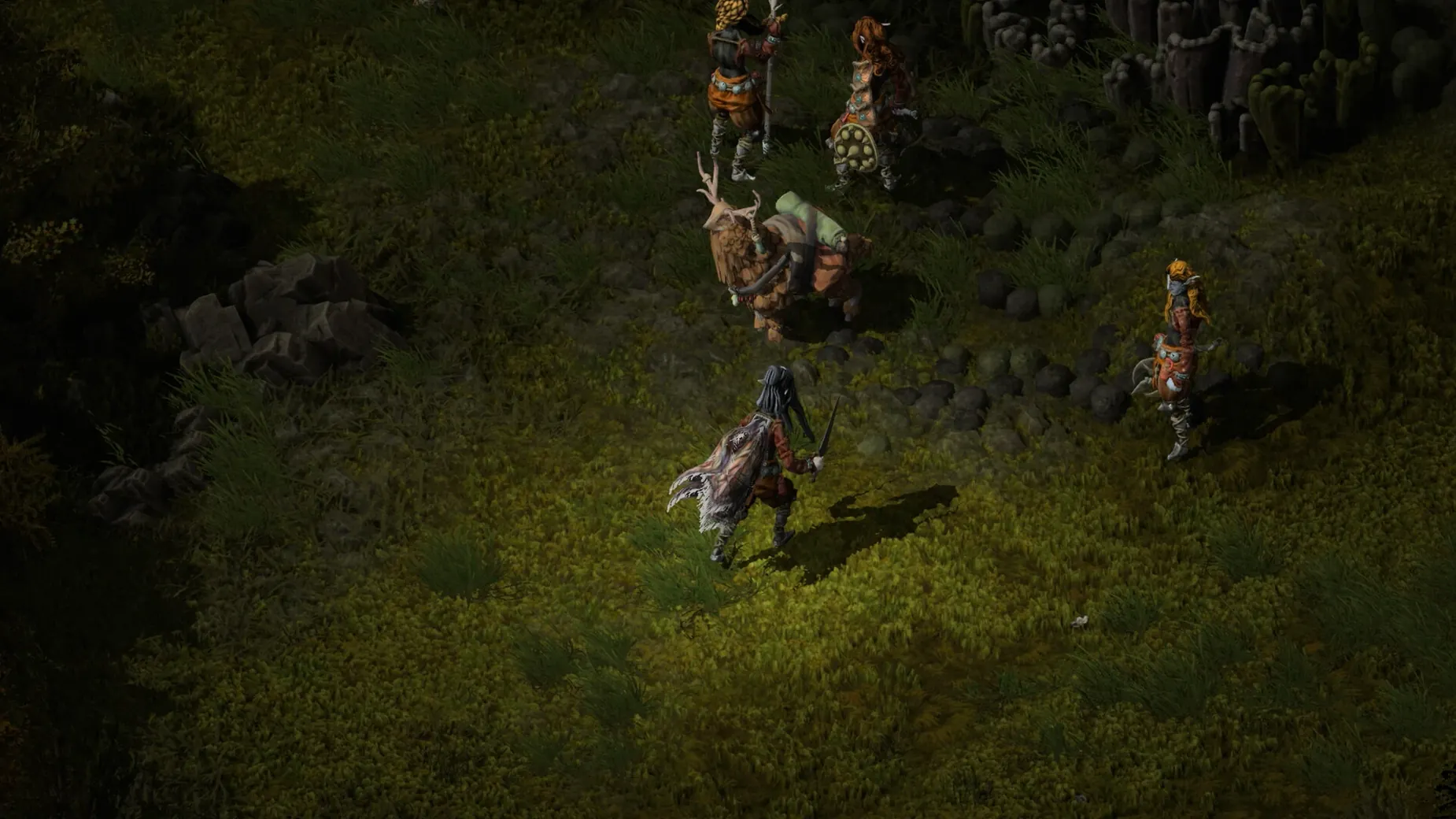
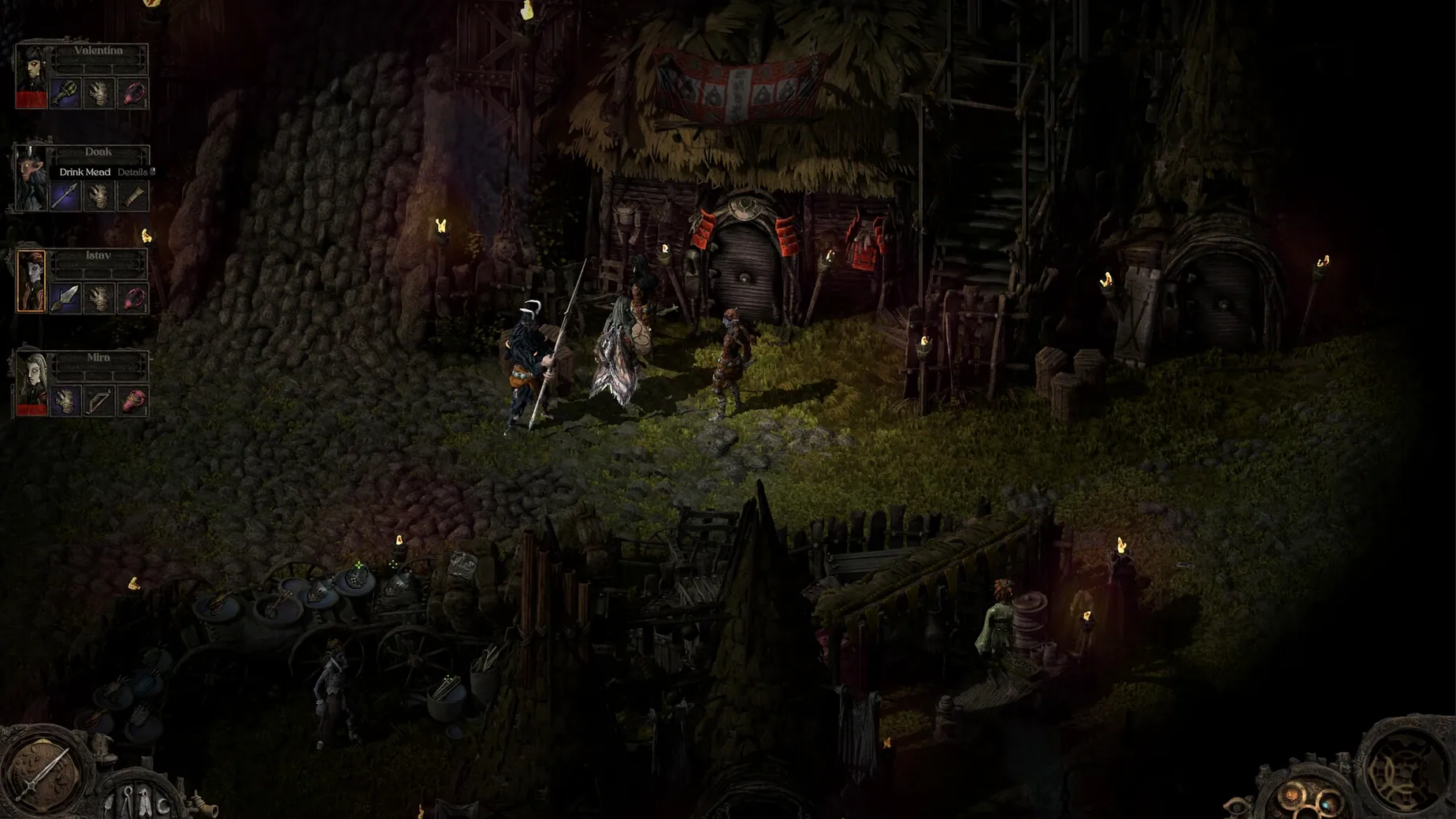
| Requirement | On file |
|---|---|
| macOS | See the sheet |
| CPU | Apple Silicon, Intel 64-bit |
| Download | 21 GB |
| Tested on | macOS Tahoe, Mac mini 2024 M4 |
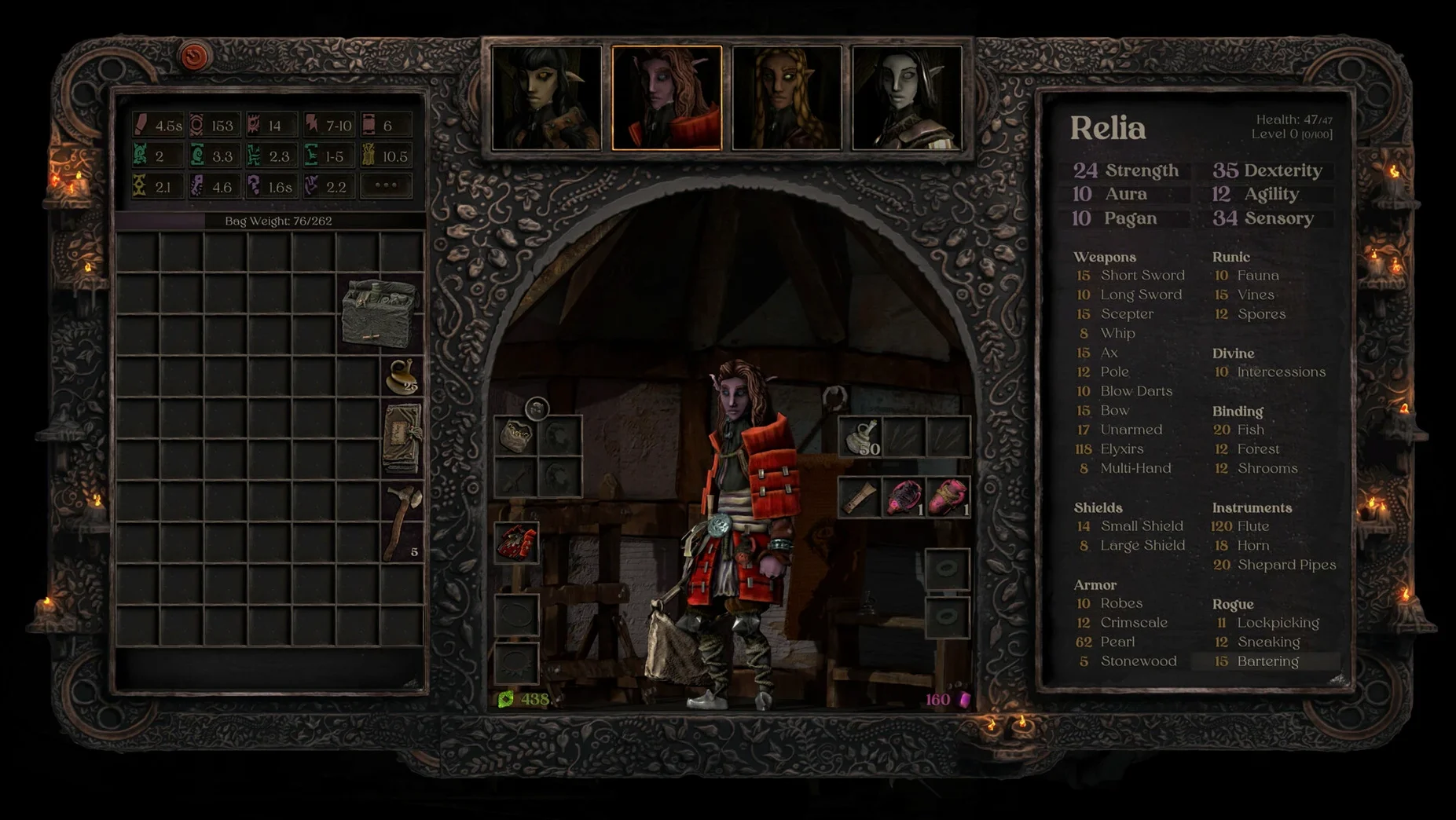
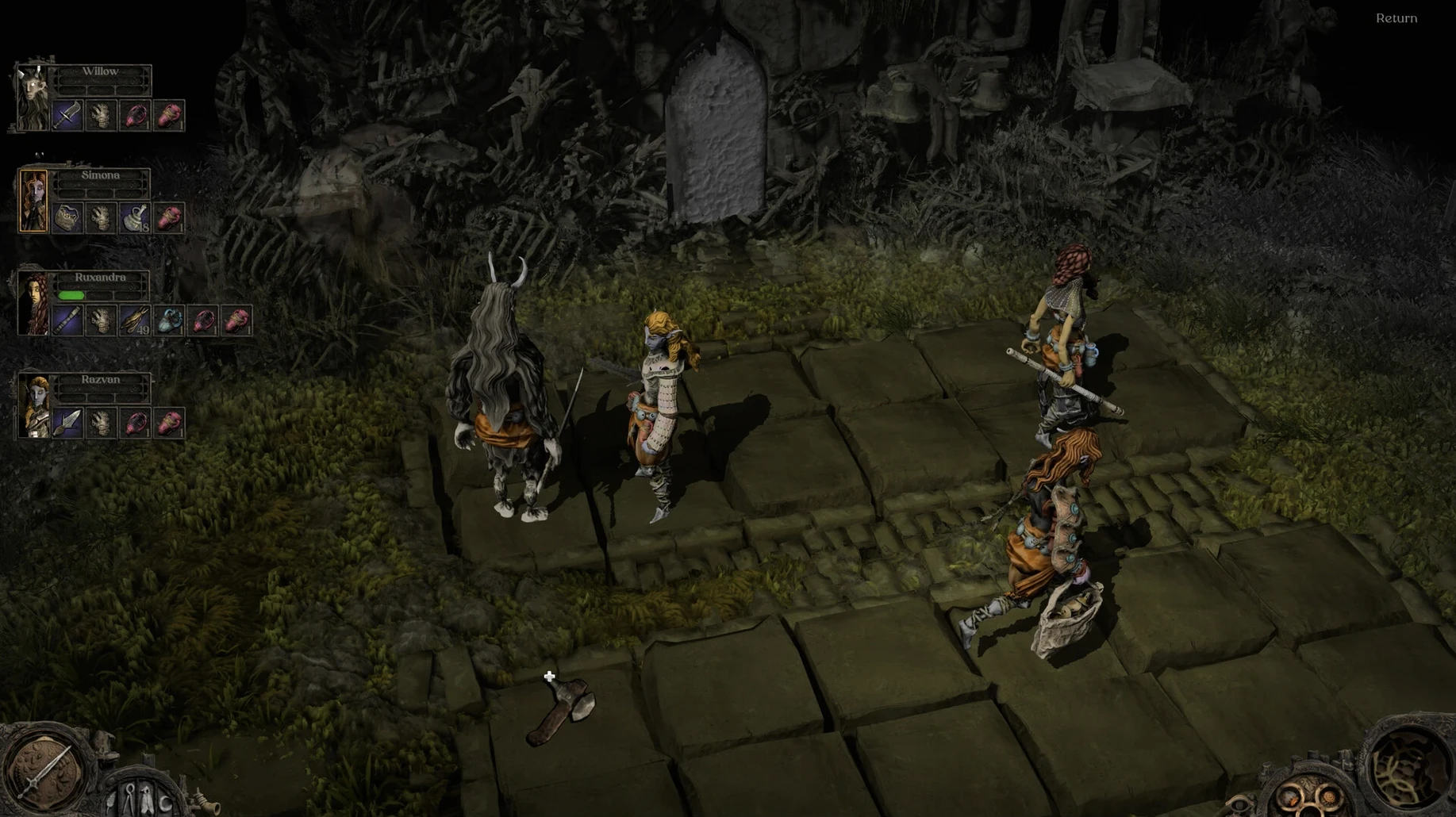
If you have spent time with party-based RPGs where companions are fixed characters, Banquet for Fools shifts that expectation early. Four generated companions join you on Invimona, and the real work starts in the spaces between towns. Most requests arrive as scrolls, and acting on them means real travel: hiking overland, crossing rivers, taking a boat along the coast. The pack boar changes how you plan those routes, because it carries the boat itself along with extra items you would otherwise leave behind.
Towns are where the scrolls turn into something concrete. Clues sit among unique items, and the requests push you back out into the open world rather than keeping you in one settlement. The minute-to-minute loop is reading a task, checking what the boar can carry, deciding whether to cross water or walk, and then dealing with what the companions bring to that route. Music runs through all of it, included with the game.
The macOS build is officially supported, and the game runs as a native app rather than a browser title. Version 7.31 fix is the current release.
Workflow: Crossing to the Far Shore with a Pack Boar
Take a scroll from a harbourside contact in the eastern town—let's say it mentions a disappearance near the cliff shrines on the far side of Invimona. The request gives a landmark, not a map marker. There is no quest journal entry for it. What you have is the scroll itself, which you can re-read, and a rough sense that the shrines sit beyond two river crossings.
Open the companion panel and check who has high Perception and who has decent Endurance. Perception governs what dialogue options appear when you speak with strangers along the way, and Endurance affects how much ground a character covers before fatigue sets in. Assign the two highest-Perception companions to the front positions. One of them might notice a faded trail marker that others would miss.
At the pack boar screen, load the folding boat, three days of rations, a coil of rope, and one spare weapon per companion. The boat takes two inventory slots. Rope is single-slot but critical: a failed river crossing without it can cost items. Leave behind any heavy loot you picked up in town. The boar's carry limit is generous, but water crossings penalise you for every slot over half capacity.
Head west on foot until the first river. The crossing prompt appears when you step onto the bank. Select the boat, confirm the two companions riding in it, and watch the crossing scene. If a companion's Strength stat is low, the current pushes the boat off-course and you arrive downstream—adds twenty minutes of hiking back to the trail. On the far bank, repack the boat onto the boar and continue.
At the second river, a different problem: a broken rope bridge. The scroll mentioned nothing about this. A companion with high Crafting speaks up with a repair option. If you brought the rope, the fix takes thirty seconds and the bridge holds. Without it, you detour through marshland that drains stamina and triggers a random encounter roll. Cross, climb the ridge, and the cliff shrines come into view. The scroll's clue about "three carved faces" matches the middle shrine. Search there, find the item tied to the disappearance, and the return trip begins—same logistics in reverse, with daylight fading and companion fatigue changing who can lead.
First Days on Invimona: What Helps
The game gives you no compass and no journal. On day one, that absence feels like an oversight. By day three, it becomes the point. What helps most in the first hours is building your own external system. A plain text file or a physical notebook works—record which town gave which scroll, what the request asked for, and any landmark phrases. The scroll text is not searchable later, and you will accumulate a dozen of them faster than you expect.
Spend the first evening in the starting settlement talking to every companion in every possible stat combination. Swap the high-Charisma character into the lead position, initiate dialogue with a merchant, then reload and try the same conversation with a high-Intelligence lead. The differences are not cosmetic. Some clues only surface when a specific stat threshold meets a specific NPC. Learning which companion unlocks what saves backtracking later.
Do not ignore the pack boar's item organisation. Items placed in the top row of its inventory are accessible during river crossings; items in the bottom two rows are not. Keep rope, a spare weapon, and one healing item in that top row at all times. A crossing gone wrong can separate you from everything else for a full in-game day.
Music is included and it shifts with region and time of day. Leave it on. The audio cues for approaching settlements and hidden encounters are subtle but present, and the soundtrack is your earliest warning that you are entering a new area type.
Fewer Fights, More Route-Planning Than Staglands
Next to Serpent in the Staglands, the developer's previous title, Banquet for Fools pulls back on combat density and pushes harder on travel logistics. Staglands had a tighter, more hostile combat loop; Banquet for Fools gives more space to route planning and companion stat interplay. The earlier game's writing was denser per screen; here, the scrolls spread the narrative across the map and ask you to connect pieces yourself.
Against something like Divinity: Original Sin 2, the comparison is less about quality and more about structure. Divinity gives you a quest log, map markers, and defined companion arcs. Banquet for Fools gives you none of those. Where Divinity's open-world sections funnel toward set-piece encounters, Invimona stays open in a quieter way—requests sit unanswered until you physically return to the right location. The generated companions mean no two runs share the same dialogue options, which Divinity's fixed cast cannot match, but Divinity offers deeper tactical combat. If you want turn-based crunch, Banquet for Fools is not competing there. If you want a party that feels different every campaign and a world that treats navigation as a skill check, it stakes its own ground.
Beside Outward, the overlap is strongest in the lack of hand-holding. Outward also drops you into a world without quest markers and forces inventory management with a backpack system. Banquet for Fools shares that survival-adjacent mindset but replaces Outward's solo-or-co-op structure with a four-companion party. The pack boar is functionally similar to Outward's backpack, except it crosses water and can be lost temporarily rather than permanently. Outward punishes death with scenario-based setbacks; Banquet for Fools punishes poor preparation with lost
- macOS: officially supported
- Architecture: Apple Silicon / Intel
- Interface language: English
Questions on file
What do you actually do in Banquet for Fools?
You read requests from scrolls, travel across the island of Invimona with four generated companions, and act on tasks found in towns.
How does the pack boar work?
The pack boar carries the boat and extra items, which affects what you can take on river and sea crossings.
Does Banquet for Fools run on macOS?
Yes, macOS is officially supported, and the current version is 7.31 fix.
Sign in · Create an account to add a field note.
No field notes yet. A measurement, a version, a machine — they appear after moderation.