Games
Farming Simulator 22 1.14.0.0
GamesUpdated
| Requirement | On file |
|---|---|
| macOS | See the sheet |
| CPU | Apple Silicon, Intel 64-bit |
| Download | 25 GB |
| Tested on | macOS Sequoia, MacBook Air (M1. 2020) |
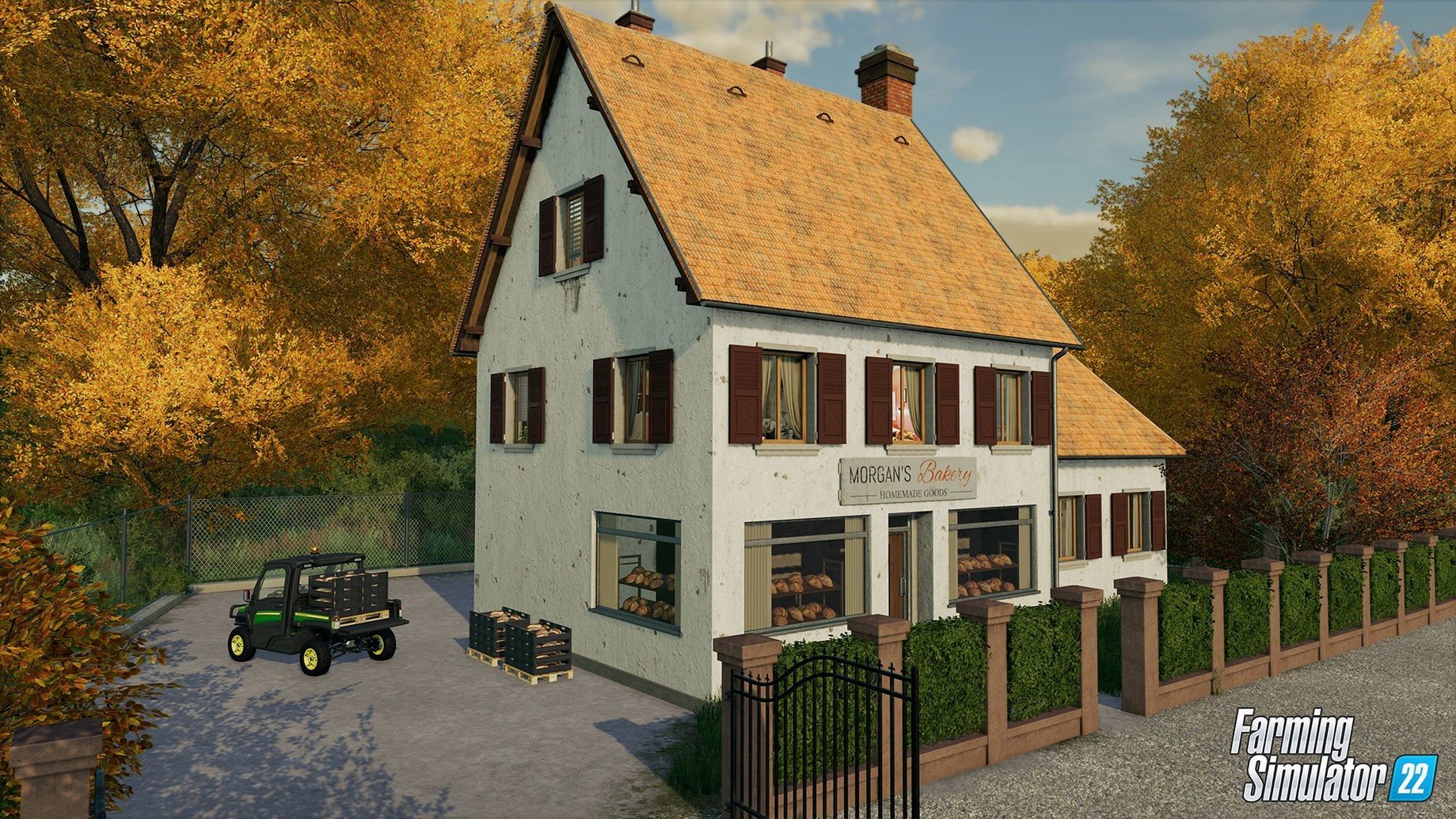
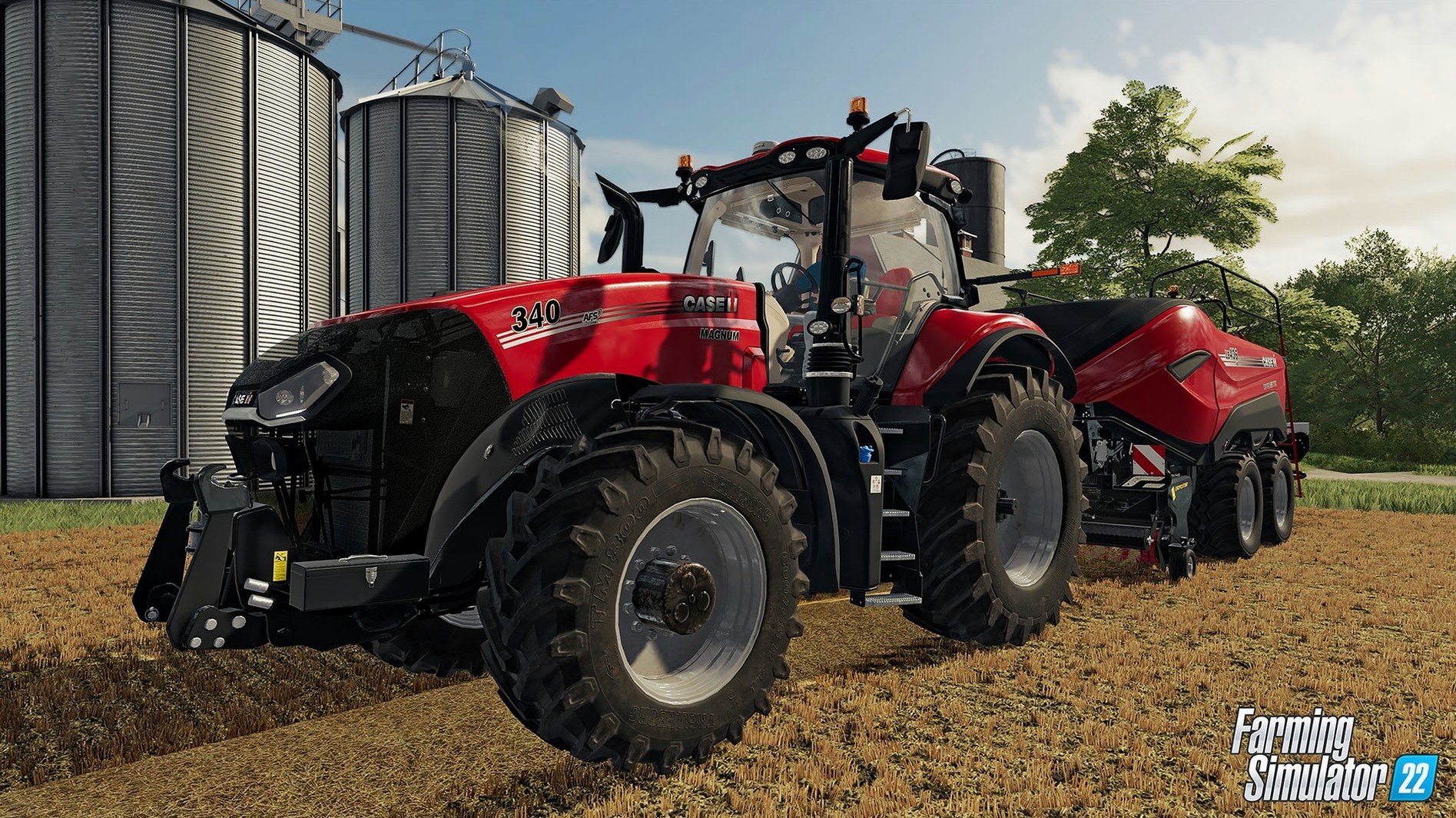
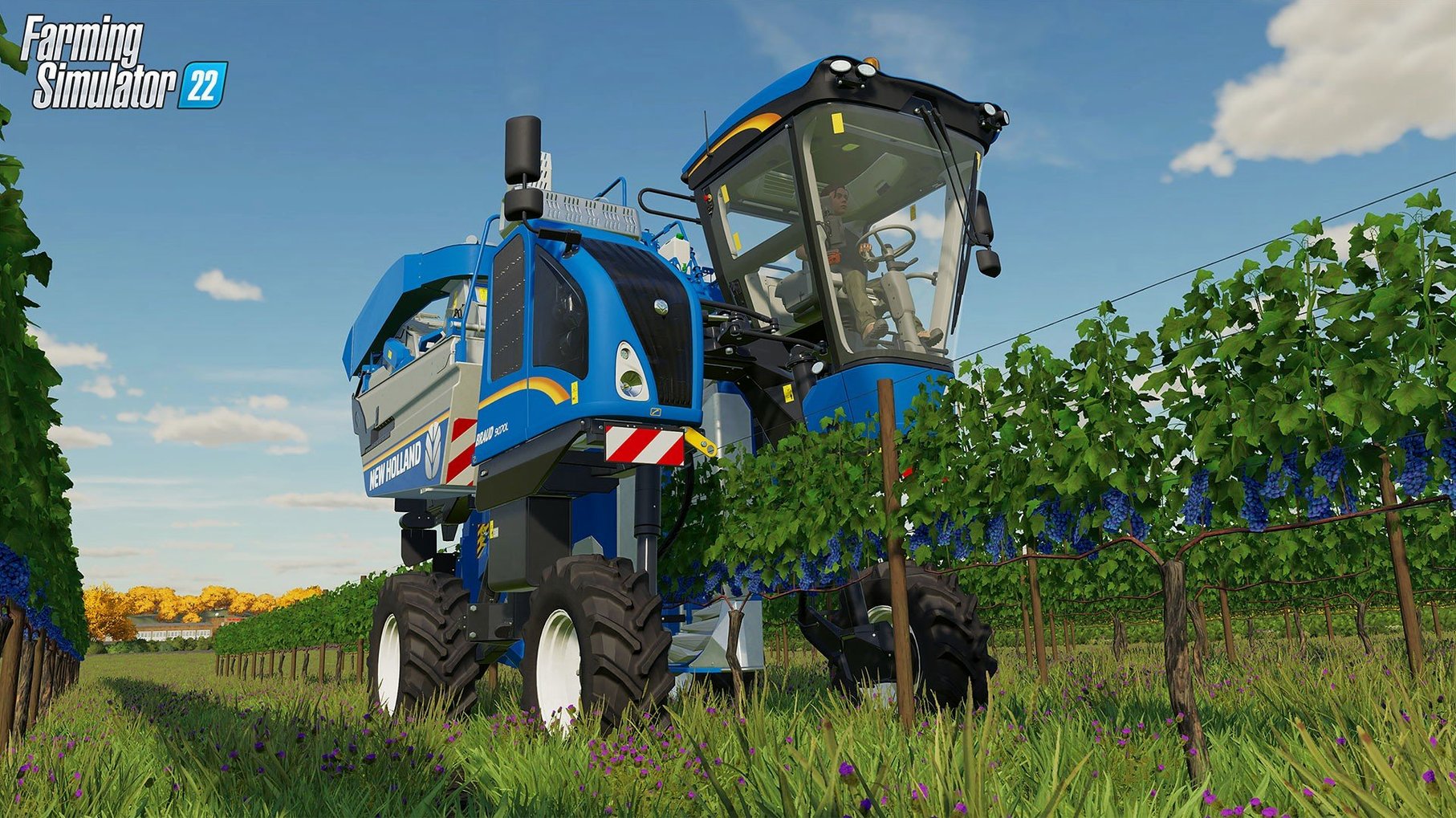
With production chains enabled, a field of wheat is no longer just a crop to harvest and sell. It becomes flour at your own mill, then bread at your bakery. Farming Simulator 22 ties agricultural work to industrial outcomes, setting a rhythm that rewards planning across in-game days. The macOS version runs natively on Intel and Apple Silicon, and the 35 GB footprint is worth noting before you start.
- The seasonal cycle demands patience. You cannot rush a harvest. Crops like corn and potatoes grow on nature’s calendar, and winter forces you to pivot to forestry or livestock work. If you dislike waiting for a payoff, this will grate.
- Cooperative multiplayer changes the workload. A friend can run a second harvester or manage grain cart duties on the same farm. The sim supports it natively, but the core loop is still driving heavy machinery across large, open maps.
- ModHub extends the machinery list. Community-created content adds real-world brands and tools beyond the base set. It is the main reason a player might keep returning after 100 hours.
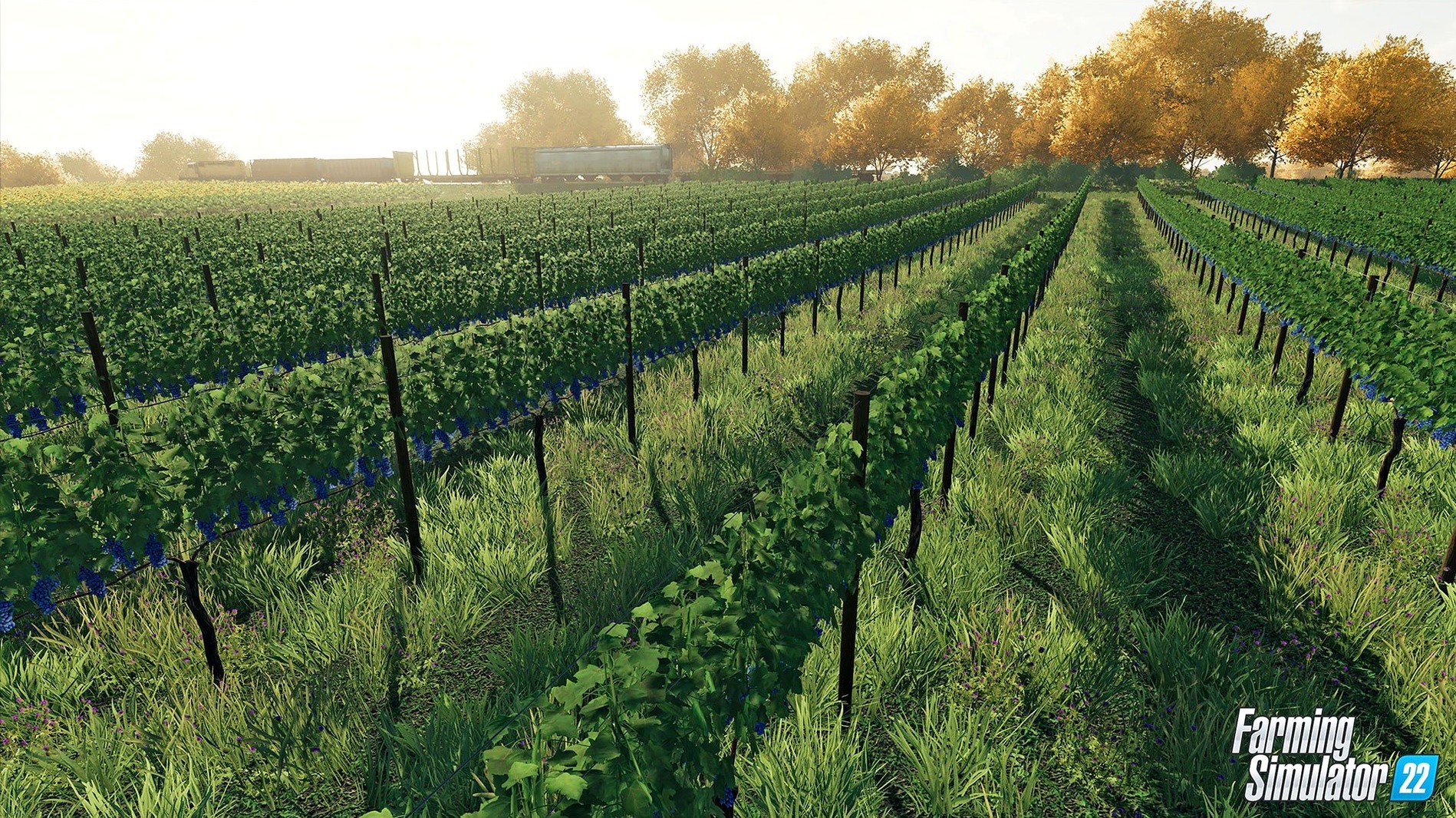
- The maps are attractive but static. Three locations inspired by American and European farmland give variety, yet the world reacts slowly. The satisfaction comes from smoothed field edges and a full silo, not from scripted events.
A player who enjoys spreadsheets, torque curves, and the quiet hum of a windrower will settle in happily. Someone seeking quick progression or constant feedback should look elsewhere. It is a simulator first, and a game second.
The Methodical Planner’s Endgame Hook
Three groups of Mac users tend to sink the deepest hours into Farming Simulator 22. The first is the methodical planner — someone who keeps a notebook beside the keyboard, tracks crop rotation across three in-game years, and calculates profit per hectare before buying a second field. Production chains turn this instinct into a long-term puzzle. Planting sunflowers becomes an investment in a future oil mill; raising cattle ties into a dairy chain that supplies your own bakery. The satisfaction is cumulative, not instantaneous.
The second group is the co-op pair or small crew. Multiplayer splits the machinery roster across two or three players, which transforms harvest season from a solo grind into a coordinated operation. One person runs the combine while another handles carting duty, and a third might prep the next field with a cultivator. Communication matters more than reflexes here. The sim rewards clarity, not speed, and a voice call between two Macs is as effective as a LAN setup.
The third group is the modding-curious player. Some never touch the base game after the first few hours because ModHub offers tighter handling scripts, vintage tractors, and map overhauls that change the feel completely. If you have ever tweaked a vehicle XML file in another sim, this one gives you a clean framework to work within — and a debug viewer, added in version 1.14.0.0, to inspect LOD behaviour on custom models.
Comparisons with Other Mac Farm Sims
Pure Farming 2018 covers similar ground — crops, livestock, global locations — but its equipment roster is narrower and the modding support is shallow by comparison. Farming Simulator 22 ships with over 400 machines from brands like CLAAS, Fendt, and Massey Ferguson; Pure Farming cannot match that density. Where Pure Farming attempts a more guided campaign structure, Farming Simulator 22 leaves the goals to you, which suits long-haul players better.
Farm Together strips the simulation layer entirely. It is a stylised, time-gated farming game built around short sessions, not machine physics. A tractor in Farm Together is a cosmetic unlock; a tractor in Farming Simulator 22 has a turn radius, a weight class, and an implement compatibility list. If you want load-sensing hydraulics and PTO shaft logic, Farm Together cannot compete. If you want a relaxed 20-minute session with no manual, it wins easily.
Cattle and Crops never left Early Access, but its niche attempt at hyper-detailed soil physics left a mark on the community. Farming Simulator 22 does not simulate subsoil compaction at that level, but it compensates with breadth: forestry, livestock, production chains, and a multiplayer framework that works. The choice is between depth in one area and coverage across a dozen interconnected systems.
A Dairy Farmer's Afternoon in Elmcreek
Start at 06:00 in-game, late spring. The cows need a TMR mix, so you grab the John Deere 6R and a frontloader bucket — silage from the bunker, a round bale from last autumn's straw, and a scoop of mineral feed. The mixer wagon takes four minutes to blend while you check the field map. Corn is two growth stages from harvest. The planter needs to go in right after the combine finishes, so you queue the seed pallet near the barn now.
By 09:00 the mixer empties into the feed trough. Milk production ticks up. You switch to the Volvo 120H wheel loader — added in the latest update — and stack silage bales for the winter months. A rain shower passes through at 11:30, which pauses fieldwork, so you walk the cattle pen and check health stats. No issues. The afternoon clears, and you spend two hours on a neighbour's field in multiplayer, running a CLAAS Lexion while they cart grain. The sim's clock hits 18:00. The cows are fed, the silage is stacked, and the corn is one day closer.
- New vehicles — Added Kubota M7 with frontloader and Volvo 120H wheelloader.
- Modding tool — Added a vehicle LOD debug viewer for mod creators.
- Fixes — Fixed connection hoses on the Grimme GL860 and resolved crashes with long inline bales.
- macOS 10.14 or later
- 64-bit processor and operating system
- 8 GB RAM
- 35 GB available disk space
- Native support for Intel and Apple Silicon Macs
Questions on file
Which crops can I plant in Farming Simulator 22?
The base game includes wheat, corn, potatoes, and cotton, among others. Different crops require specific equipment for planting and harvesting.
What are production chains in the game?
Production chains let you process raw harvests into higher-value goods. For example, wheat can be milled into flour and then baked into bread, adding an economic layer beyond simply selling crops.
Does the Mac version support community mods?
Yes, it integrates ModHub for user-created content. You can add new tractors, implements, and maps directly through the in-game menu.
Sign in · Create an account to add a field note.
No field notes yet. A measurement, a version, a machine — they appear after moderation.