Games
Fear & Hunger 1.4.1
GamesUpdated
| Requirement | On file |
|---|---|
| macOS | See the sheet |
| CPU | Intel 64-bit |
| Download | 1.1 GB |
| Tested on | macOS Big Sur, MacBook Air 13-inch Early 2014 |
If you have ever played a classic dungeon crawler like Shin Megami Tensei and wished it traded its neon demons for something far more bleak, that is the space Fear & Hunger occupies. It borrows the first-person dungeon navigation and turn-based tactical bones of a J-RPG and drags them into a hopeless, medieval horror setting where every choice has weight.
How a run plays out
- Choose a character and a backstory. Your pick determines starting skills, equipment and how certain NPCs react to you. There are no soft starts — every background is grim.
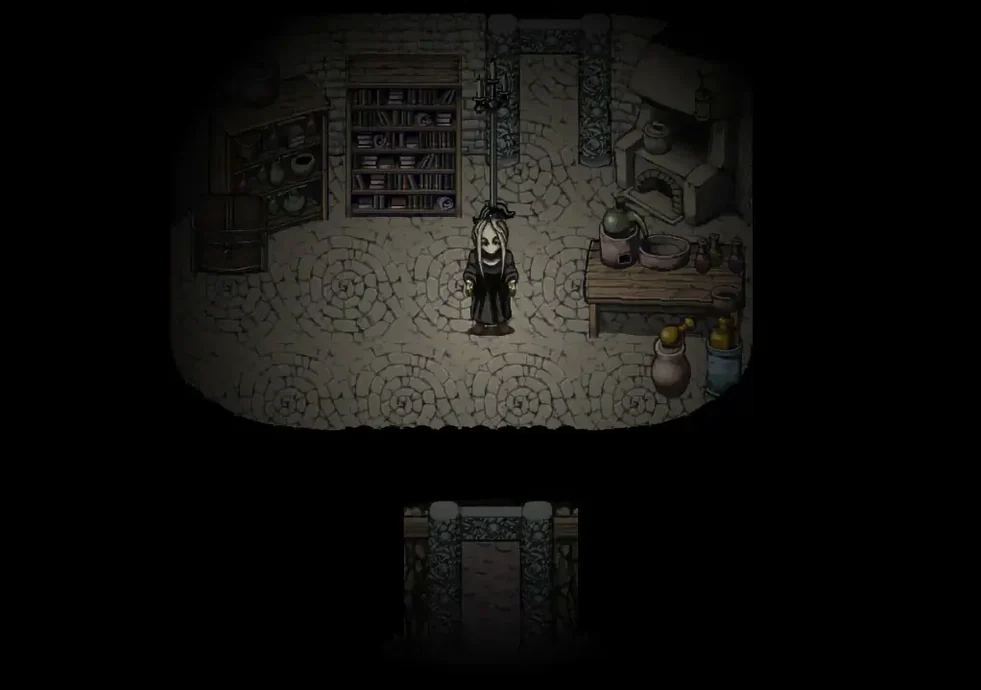
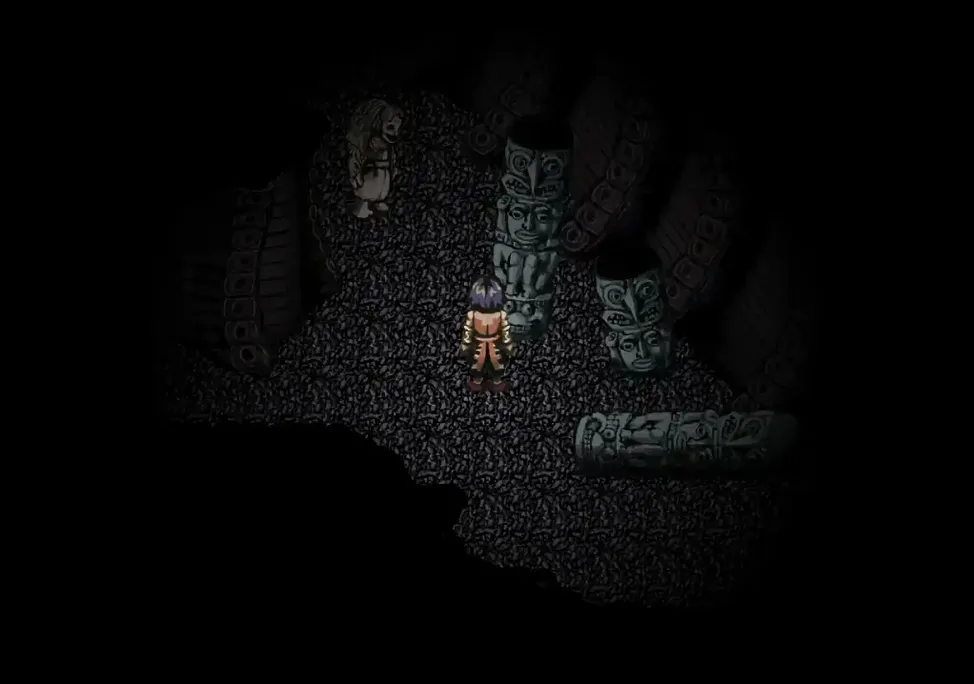
- Enter the dungeons. Movement is grid-based, first-person. You explore dark corridors, search containers, read notes and avoid or engage threats. The map does not hold your hand; you navigate by memory and environmental cues.
- Manage your resources. Food, torches, healing items and sanity are all finite. Hunger ticks down. Light runs out. Limbs can be lost in combat and must be treated with specific items or skills, not just a generic health potion.
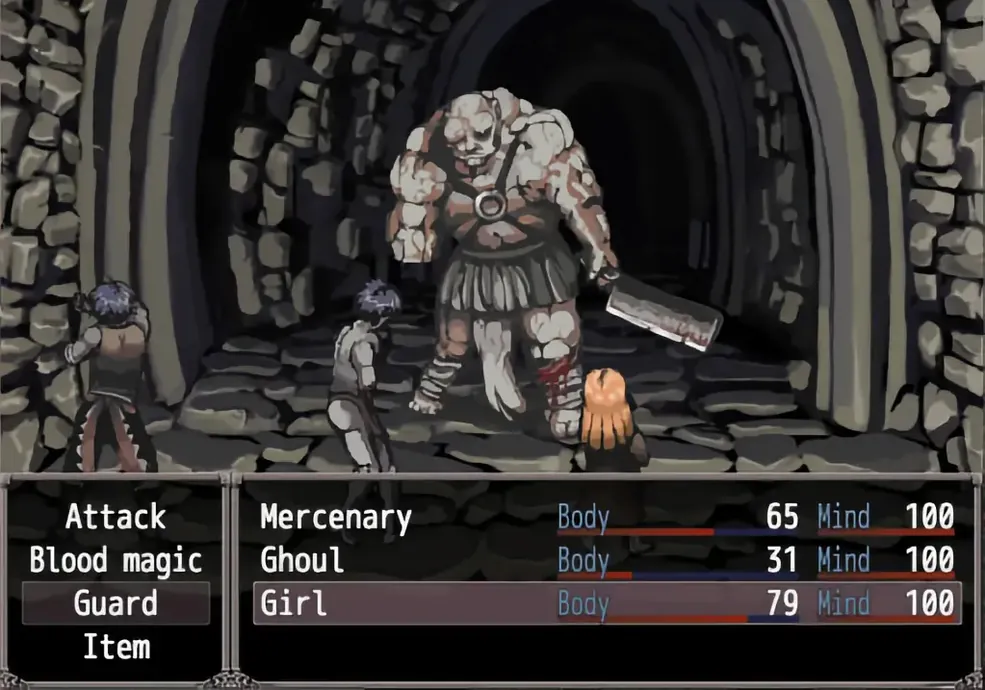
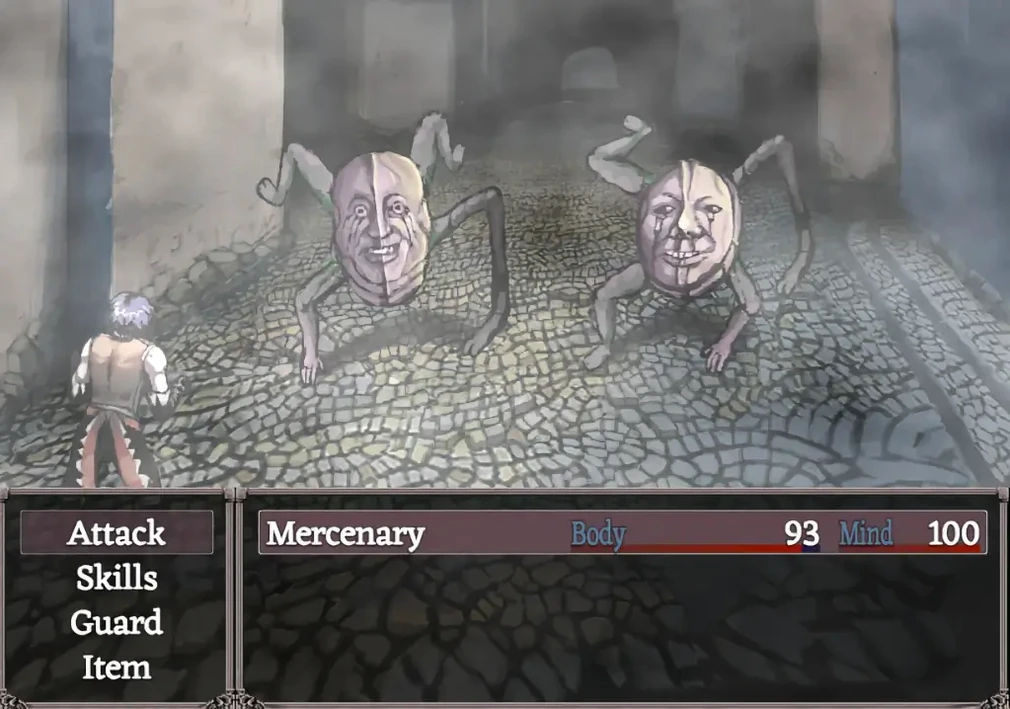
- Fight in turn-based battles. Encounters trigger on the map. Combat is tactical: you target individual enemy limbs to disable attacks, then follow up with weapons or magic. A lost arm means lost skill access. Coin-toss events mid-fight add a layer of chance that can turn a stable fight into a disaster.
- Die, learn, restart. Roguelike elements mean death is permanent. A new run randomises some loot and room layouts, so you rely on system knowledge more than muscle memory. You learn which fights to take, which doors to avoid and how to stretch a single dried meat across three rooms.
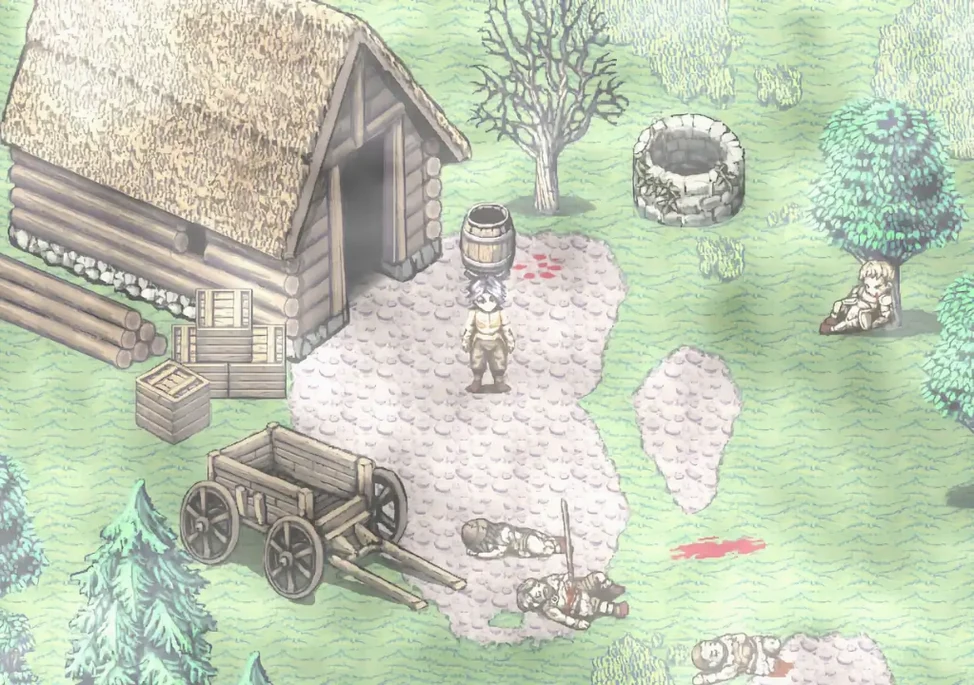
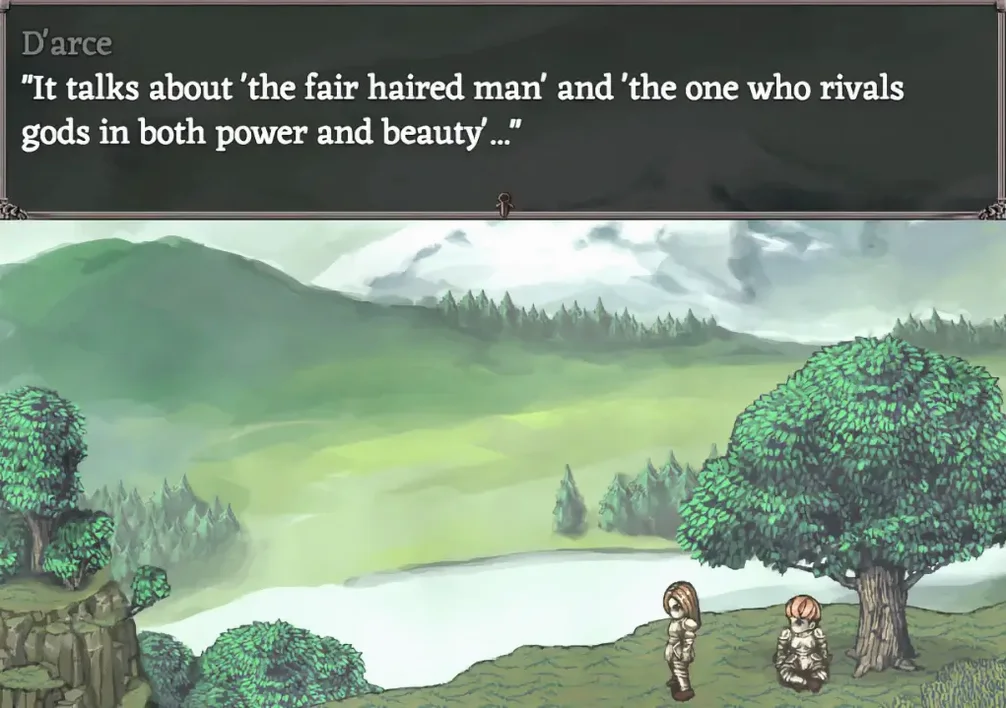
Visually, the game mixes chunky pixel art characters with digitally painted backgrounds and portraits — a style that makes the horror feel tactile rather than retro. It is a slow, oppressive loop of risk assessment and resource triage. If a game where you can lose both arms to a guard and then die of infection sounds like your kind of evening, the structure supports it with genuinely tight J-RPG combat underneath the brutality.
Mapping exits mentally & severing limbs first
Players who have already burned through traditional dungeon crawlers and find them too forgiving tend to click with this one fastest. The game rewards system-level thinking — mapping exits mentally, memorising which enemy limbs to sever first, tracking hunger against torch fuel — so it suits the kind of mind that enjoys spreadsheet-heavy RPGs or optimisation puzzles. If you have ever played a roguelike like Nethack and kept a notepad beside the keyboard, the loop will feel familiar.
It also works for horror fans who want more agency than a walking simulator gives them. The dread here is not scripted jumpscares; it comes from a bad coin-toss result during a fight you could have avoided, or realising you brought the wrong item three floors ago. That slow-burn tension, combined with the original ambient soundtrack, creates a mood that passive horror media cannot match. Players searching for a Fear & Hunger crack Mac build often fall into this group — they want the full, punishing experience on macOS without compromises to the core design.
Fleeing the coin flip fights that drain healing
- Treating every fight as mandatory. The game does not reward a completionist combat approach. Many encounters can be fled or avoided entirely, and learning which enemies are resource sinks is a core skill. New players often burn through healing items in the first hour fighting guards they should have bypassed.
- Ignoring limb targeting. The combat tutorials are minimal, and the instinct to simply attack the torso is strong. Enemies have dangerous arms, legs, or magical appendages that should be removed immediately. A fight that seems impossible with a standard attack sequence becomes manageable once you prioritise the right limb.
- Neglecting the sanity meter. Sanity is not flavour text. Low mind values affect what the player sees and can lock off certain interactions. Beginners sometimes treat it as a secondary concern until a panic effect derails a run.
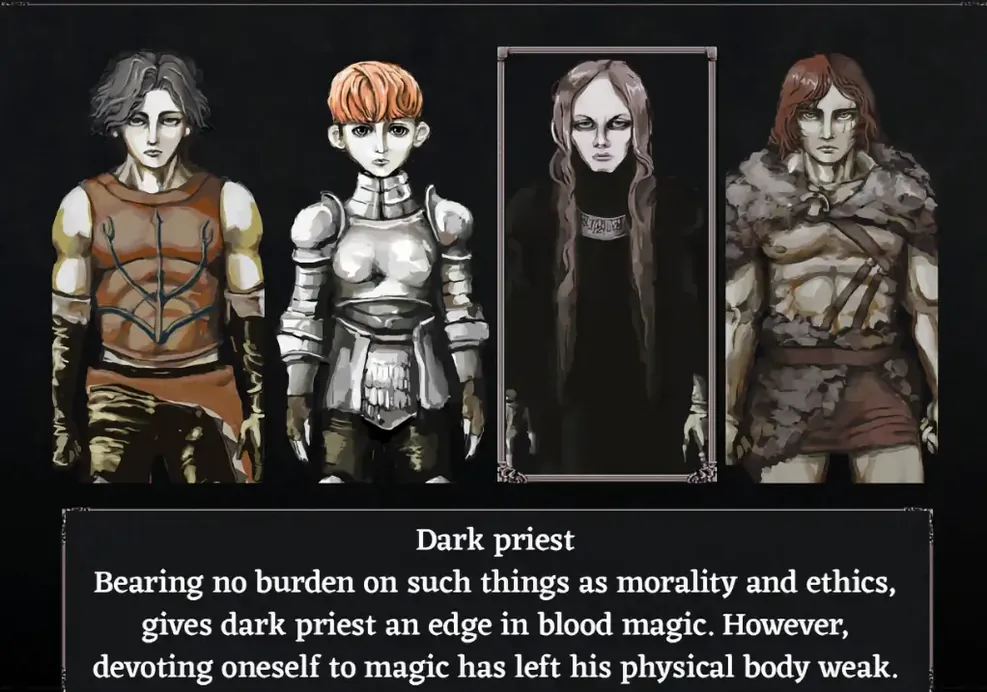
- Assuming class choice is just flavour. The four classes play differently enough that a strategy that works for one will get another killed. Picking a class without reading its starting skills and backstory implications leads to early, avoidable deaths.
Version 1.4.1 — Wineskin macOS build listed.
- macOS (x86 64-bit)
- Intel processor
- Apple Silicon Macs require Rosetta 2
Questions on file
Does Fear & Hunger have randomised replay value?
Yes. The game includes roguelike elements that randomise certain loot and room layouts across playthroughs, so repeated runs do not follow the exact same sequence.
Sign in · Create an account to add a field note.
No field notes yet. A measurement, a version, a machine — they appear after moderation.