Games
Ziggurat 2 29.06.2026.13.30.27.98
GamesUpdated
| Requirement | On file |
|---|---|
| macOS | See the sheet |
| CPU | Intel 64-bit |
| Download | 903 MB |
| Tested on | macOS Tahoe, Mac mini 2024 M4 |
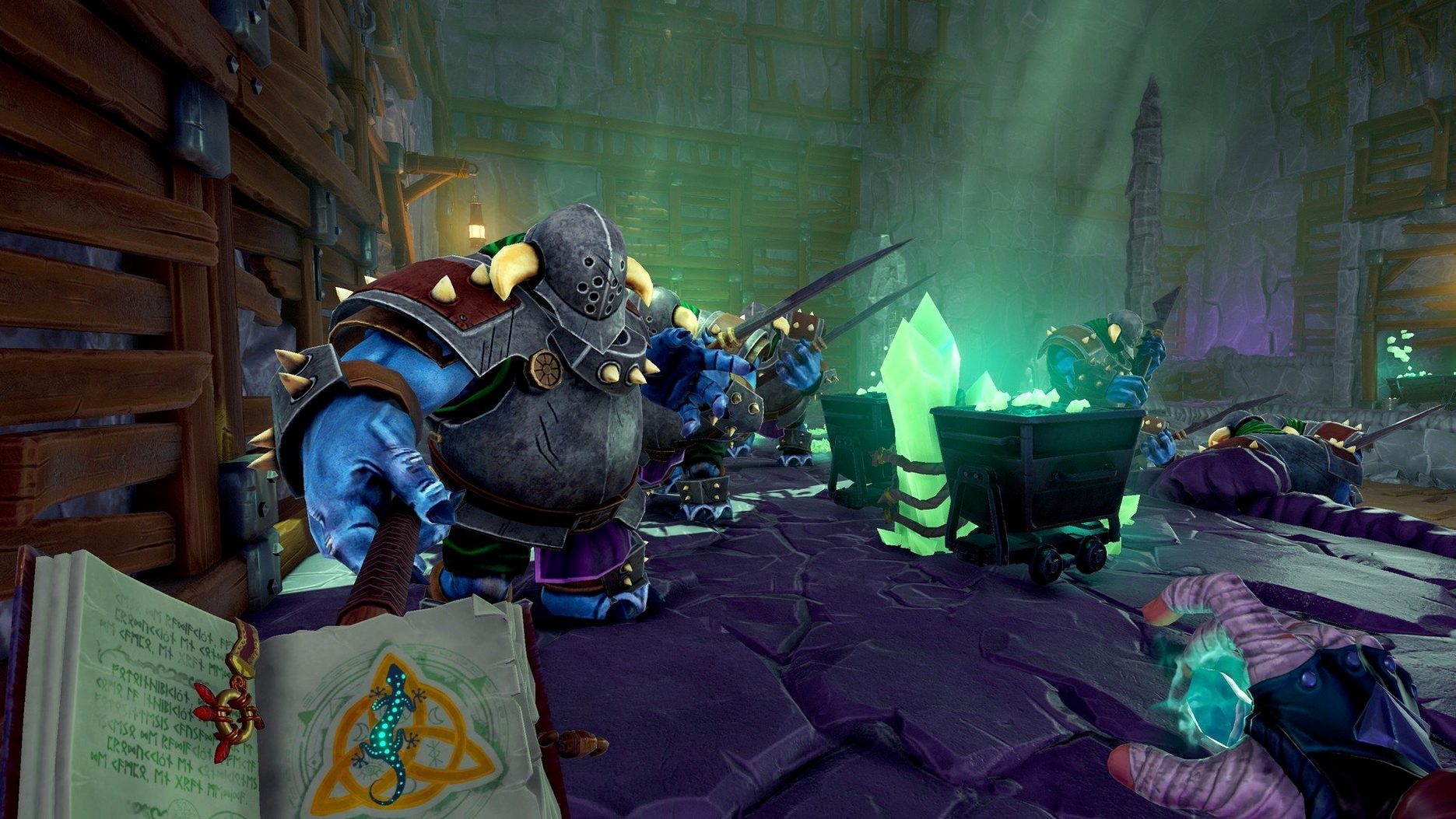
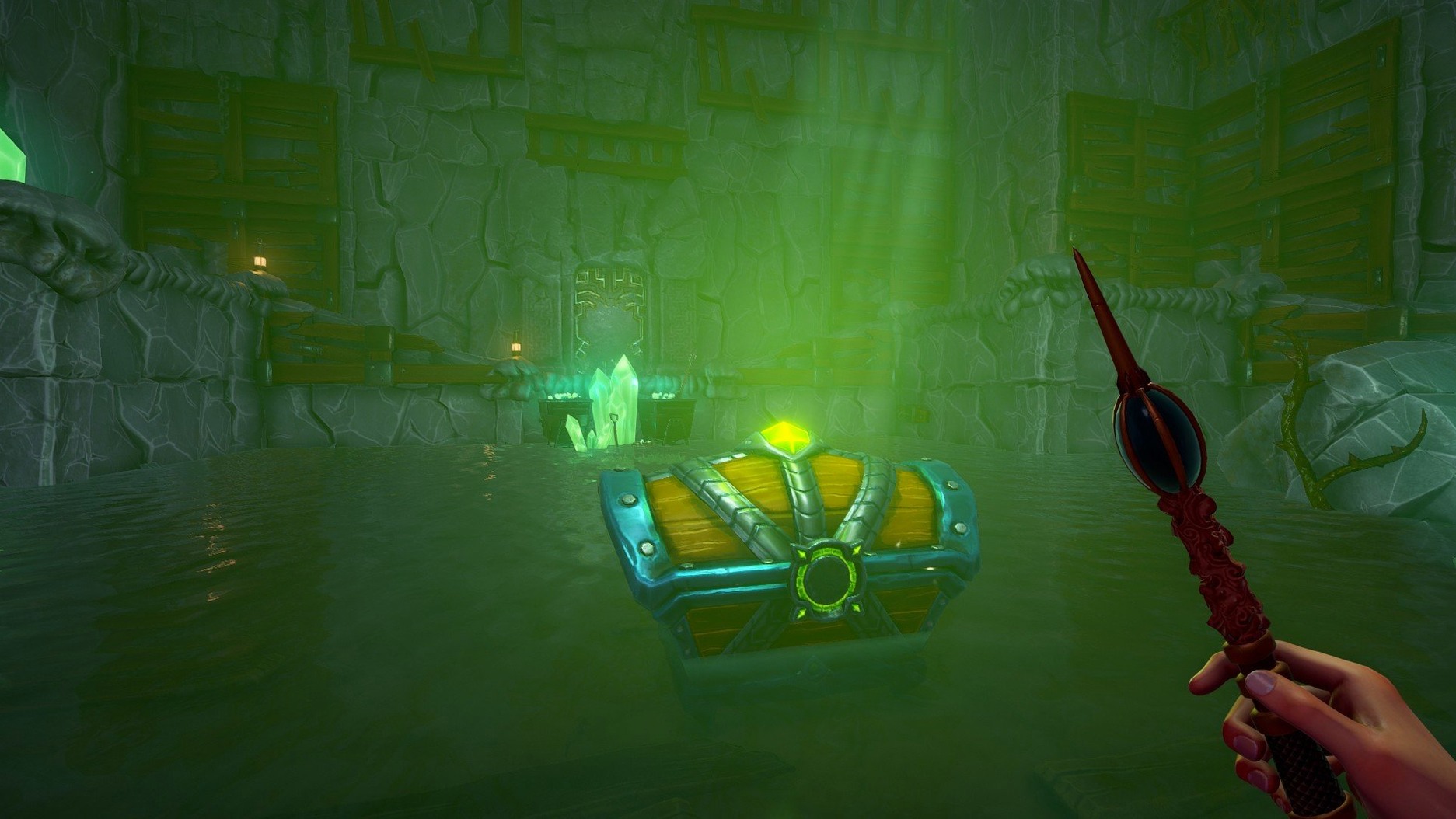
A Mac mini M4 boots into a dimly lit stone hall; within seconds, a skeletal archer draws back its bow. Ziggurat 2 — hectic roguelite first-person shooter.
Roguelite FPS — A first-person shooter structured around short, procedurally generated runs. Death resets progress in the dungeon, but some character upgrades persist between attempts.
Procedural generation — Corridors, room layouts, enemy placements and loot are recombined each run. Patterns exist, but no two floors are identical.
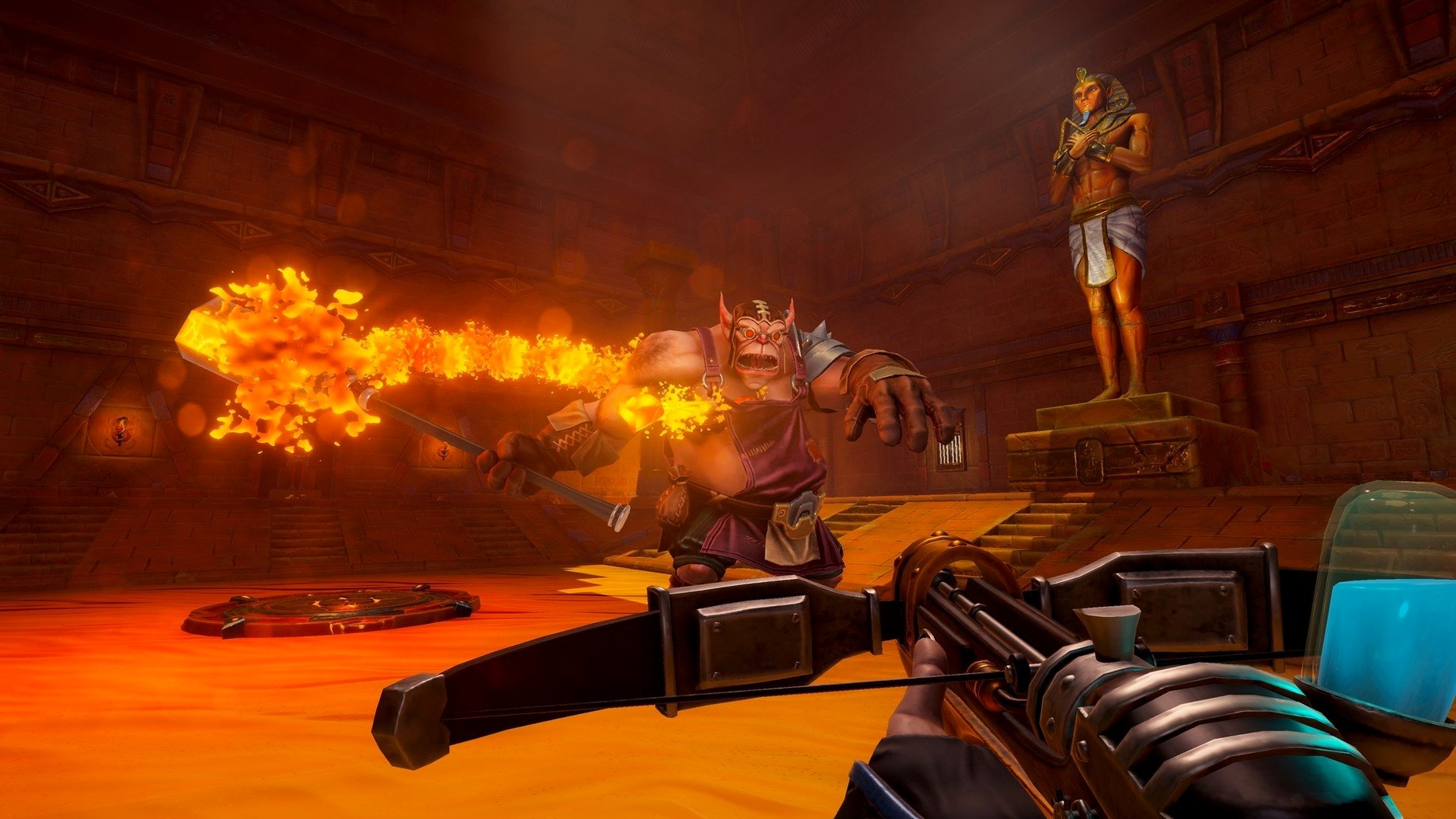
Battle mage apprentice — The player character uses a mix of staves, spellbooks and alchemical weapons. Dozens of unlockable weapons change behaviour significantly: a wand might fire homing projectiles, while a heavy staff delivers slow area damage.
Experience points — Defeated enemies yield experience. Levelling up during a run lets the player select new passive skills, adding a layer of build strategy to the fast combat.
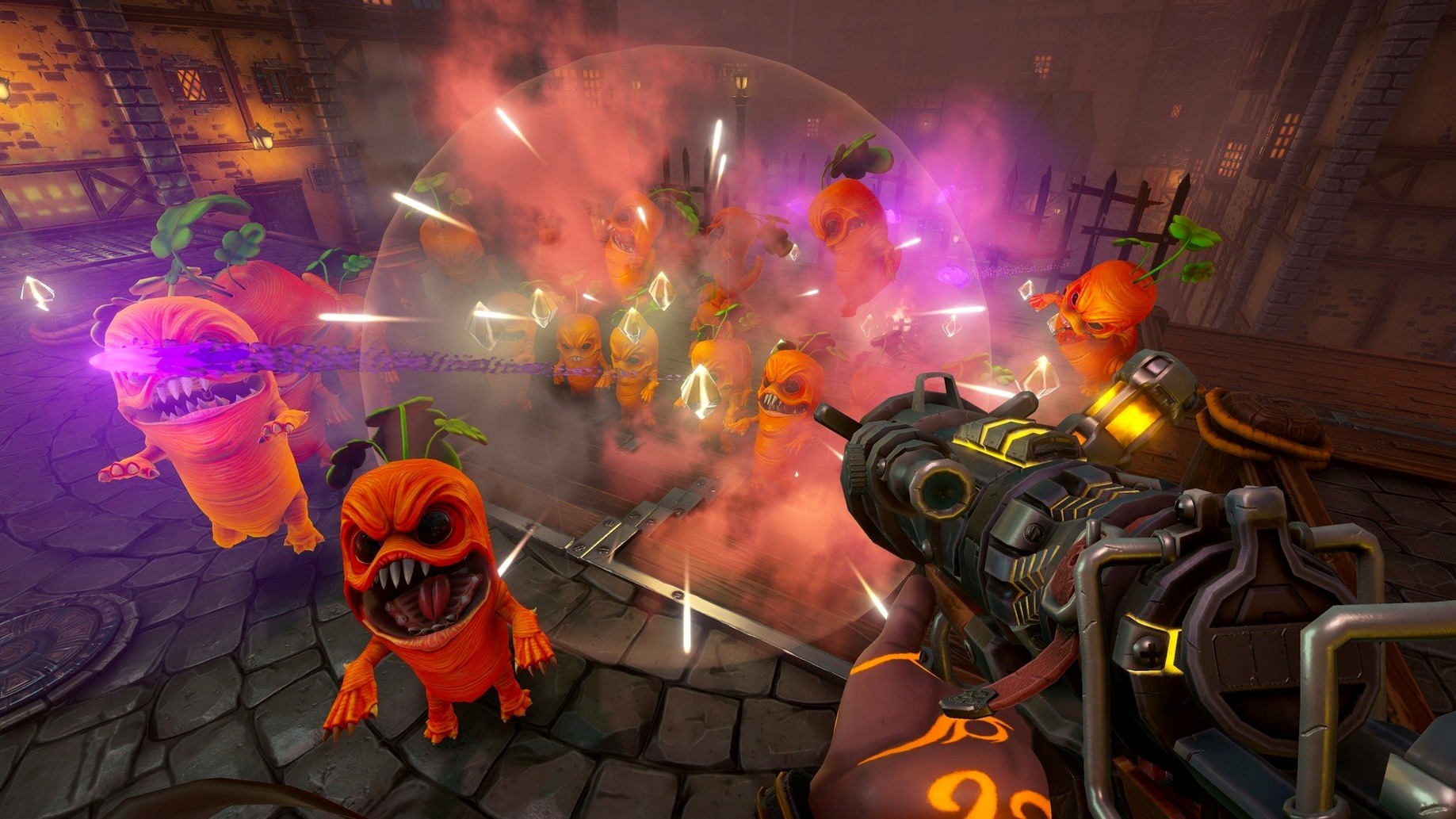
On a 2024 Mac mini M4 under macOS Tahoe, native Apple Silicon support is absent. Performance relies on Intel-based execution via Rosetta 2. The frame rate holds at 60 fps at 1440p on medium settings during standard encounters, dipping towards 50 fps in heavy particle-effect scenarios. A keyboard and mouse are recommended; gamepad support is present but thumbstick aiming requires a wider dead-zone adjustment than most console shooters.
Citadel hub unlocks before your first dungeon run
Fresh installs of Ziggurat 2 throw you straight into the Citadel hub. Spend your first hour here, not in the dungeon. The Citadel holds three stations that matter early: the weapon rack, the skill altar and the ally board. Unlock at least two weapons before your third run. The base wand is accurate but its damage falls off hard after floor two. A spread-fire staff or a mana-draining spellbook gives you options when the procedural generator floods a room with imps.
Rebind the quick-swap key. The default sits on Q, which is fine for a secondary, but you will want instant access to a third weapon once elemental resistances start appearing. Bind something reachable — R or a thumb mouse button — to slot three. Elemental rock-paper-scissors is not a suggestion in this game; it is the difference between a clean room clear and respawning in the Citadel with nothing to show.
Do not hoard experience orbs. They persist between rooms but not between floors. If you finish a floor with uncollected orbs scattered around, they are gone. Circle back through cleared rooms before taking the exit portal. One missed orb can mean entering the next floor half a level short of a skill threshold, and that gap compounds fast when the difficulty curve steepens around floor five.
Adjust the field-of-view slider before muscle memory sets in. The default 90° works for exploration but narrows peripheral awareness in the arena-style rooms. Pushing it to 100–105° helps track flanking enemies without constant flick-turns. The cost is a slight performance dip on the Intel build under Rosetta, but the trade is worthwhile for survival.
Spell-casting roguelite trio on macOS
Ziggurat 2 occupies a narrow niche on macOS: roguelite first-person shooters with spell-casting combat. Three titles invite comparison, each pulling the formula in a different direction.
Ziggurat 2 vs. Gunfire Reborn
Gunfire Reborn leans harder into co-op and ranged-weapon gunplay. Where Ziggurat 2 builds around staves, wands and elemental matchups, Gunfire Reborn offers assault rifles, sniper cannons and grenade launchers with randomised inscriptions. Both use procedural levels and permadeath runs, but Gunfire Reborn's hero abilities are provide shorter cooldown cycles while Ziggurat's skill tree demands longer-term commitment within a run. On macOS, Gunfire Reborn has native Apple Silicon support; Ziggurat 2 runs as Intel-only under Rosetta. Solo players who prefer magic over munitions tend to find Ziggurat 2's weapon variety more expressive; groups gravitate towards Gunfire Reborn's four-player drop-in sessions.
Ziggurat 2 vs. Roboquest
Roboquest pushes mobility to the extreme: double jumps, slides, rail-grinds and explosive-barrel physics give it a movement-shooter rhythm closer to Doom Eternal than to a dungeon crawler. Ziggurat 2 is faster than the original Ziggurat, but its movement stays grounded — strafe-jumping and sprint are your main tools. Roboquest's art style reads as clean cel-shaded sci-fi; Ziggurat 2 renders a warmer fantasy palette with ink-outlined enemies. Both are roguelites with permanent hub upgrades, but Roboquest gates more content behind run completions, while Ziggurat 2 lets you unlock weapons and allies through currency earned even on failed runs. The friction point is platform support: Roboquest demands a native port or Windows translation layers, whereas Ziggurat 2 runs on Intel Macs out of the box.
Ziggurat 2 vs. Immortal Redneck
Immortal Redneck leans into old-school FPS sensibilities — Egyptian-themed arenas, vertical staircases and a weapon wheel stuffed with pistols, shotguns and magical relics. Its room layouts feel less labyrinthine than Ziggurat 2; fights tend to lock doors and spawn waves rather than letting enemies patrol corridors. Ziggurat 2 gives you more freedom to kite enemies through interconnected rooms, which rewards map awareness. Immortal Redneck's class system ties to scroll pickups during runs, while Ziggurat 2 bakes progression into experience levels and Citadel unlocks. Both run well under Rosetta, but Immortal Redneck's simpler particle effects put less strain on the translation layer during chaotic encounters.
Particle-heavy boss arenas tank Rosetta frame rates
Frame drops during boss encounters. Boss arenas layer multiple particle emitters — fire trails, homing projectiles, area-of-effect rings — and the Intel build under Rosetta struggles when all of them fire simultaneously. Drop shadow resolution to Low and disable motion blur in the graphics panel. These two settings account for the bulk of framerate instability. If drops persist, cap the frame rate at 50 fps rather than leaving it uncapped; the consistency improvement matters more than peak smoothness.
Gamepad aiming feels sluggish. The default dead-zone is calibrated for thumbsticks on gamepads with minimal drift. Increase the dead-zone slider by 10–15% and raise horizontal sensitivity slightly above vertical. This makes small adjustments snappier without over-correcting. If acceleration remains an issue, switch aim-assist from Full to Partial — the full setting sometimes drags the reticle towards barrels and destructibles instead of enemies.
Weapon unlocks not appearing. Unlock criteria for some weapons tie to specific achievements — defeating a floor boss without taking damage, clearing a floor with only a wand, accumulating a certain number of kills with one element. The Citadel's weapon rack shows silhouettes with unlock hints, but a few remain cryptic.
- Intel architecture (Apple Silicon supported via Rosetta 2)
Questions on file
Can Ziggurat 2 run on Apple Silicon Macs?
Yes, it runs on Apple Silicon Macs via Rosetta 2. No native ARM version is available, but performance on an M4 is stable at medium settings.
Sign in · Create an account to add a field note.
No field notes yet. A measurement, a version, a machine — they appear after moderation.