Games
Flashing Lights - Полиция, Пожарные, Симулятор экстренных служб 2026.08.21
GamesUpdated
| Requirement | On file |
|---|---|
| macOS | See the sheet |
| CPU | Apple Silicon, Intel 64-bit |
| Download | 2.3 GB |
| Tested on | macOS Tahoe, Mac mini 2024 M4 |
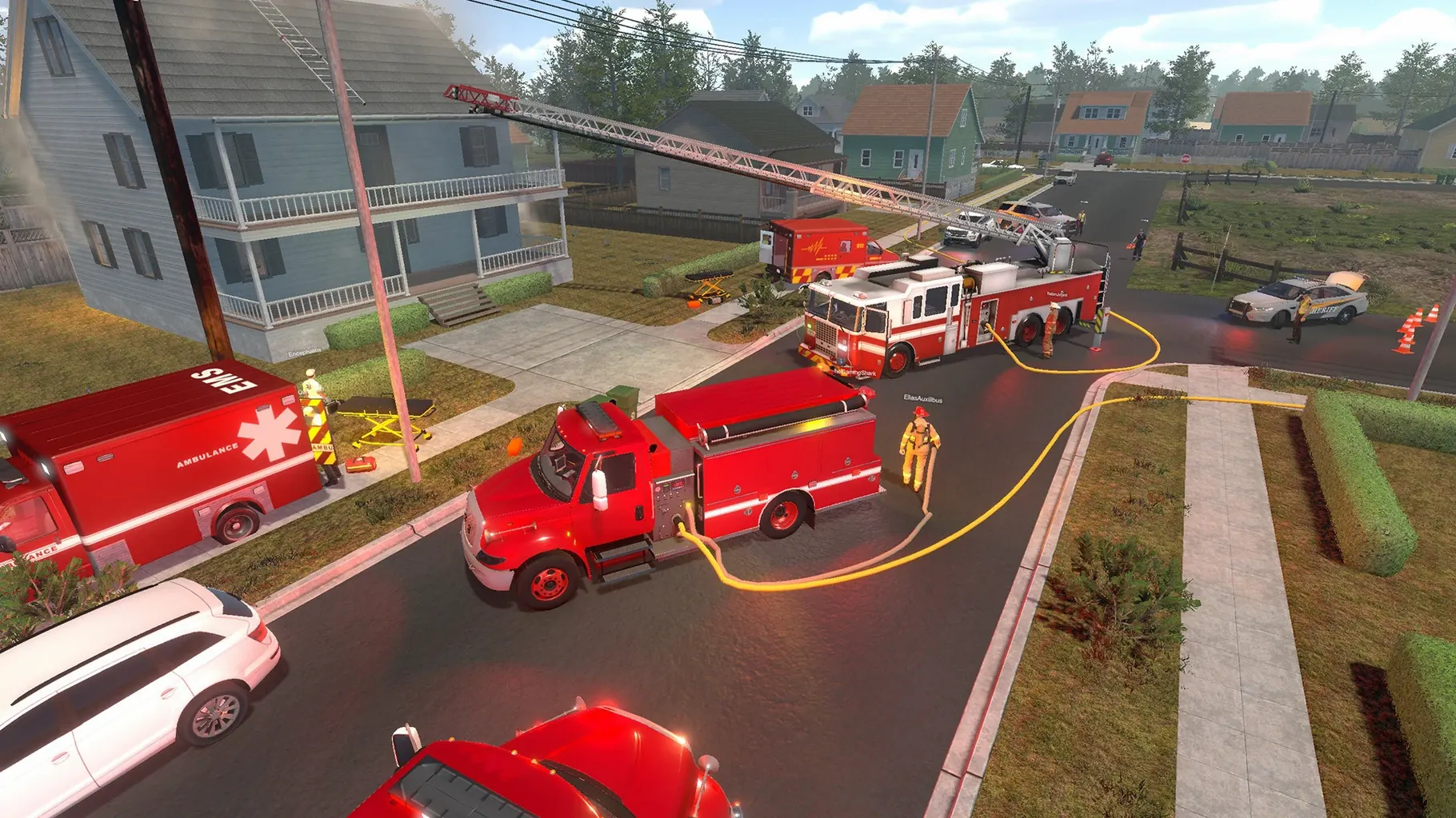
Flashing Lights is an open-world emergency services simulator that puts you in the roles of police, firefighter and medic, often during the same incident.
Police — secure the scene and call in support
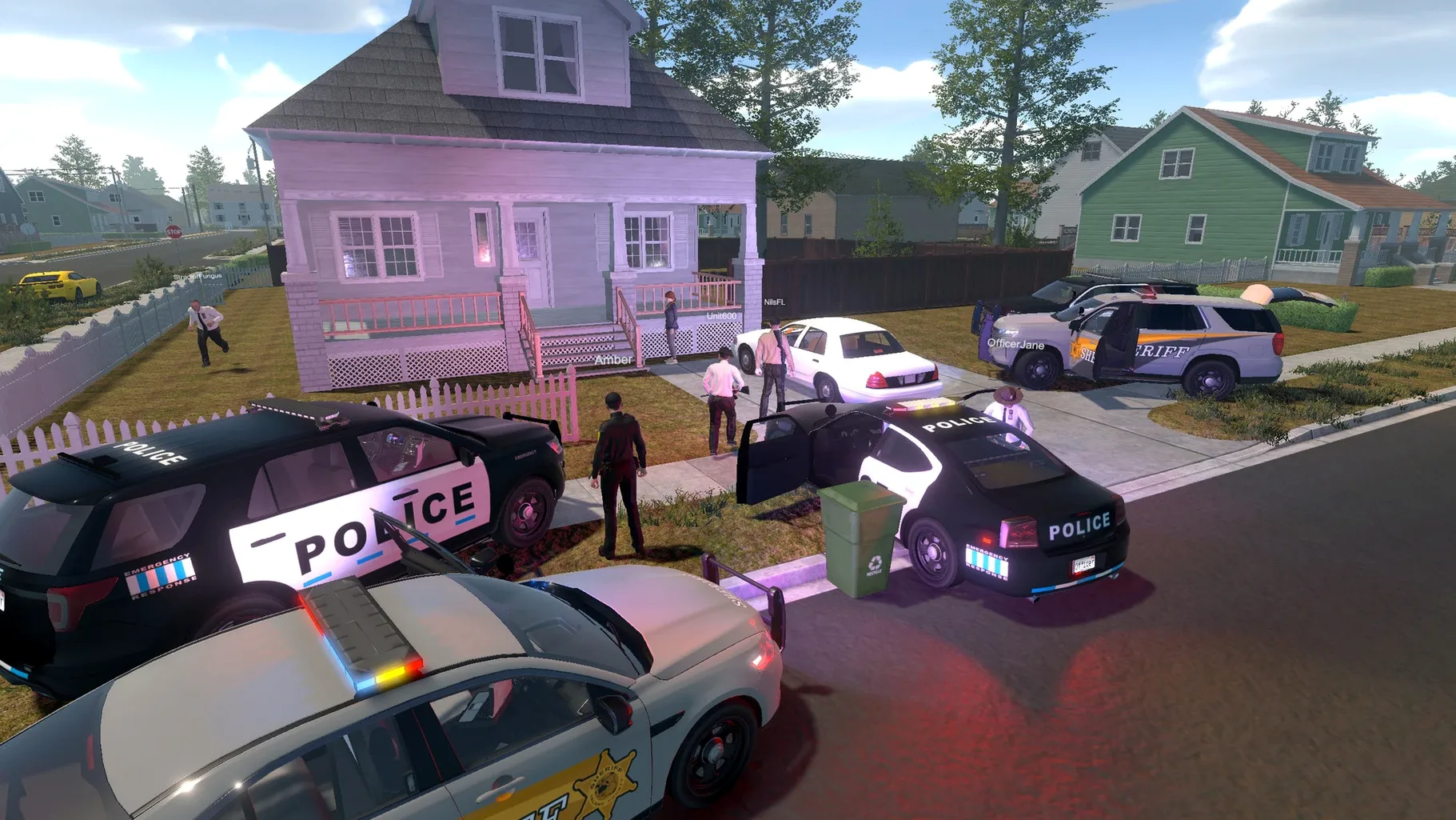
Police units are typically first on scene. Your job is to assess the situation, contain threats and request fire or medical backup when a call escalates beyond a simple traffic stop.
Fire — cut, suppress and extract
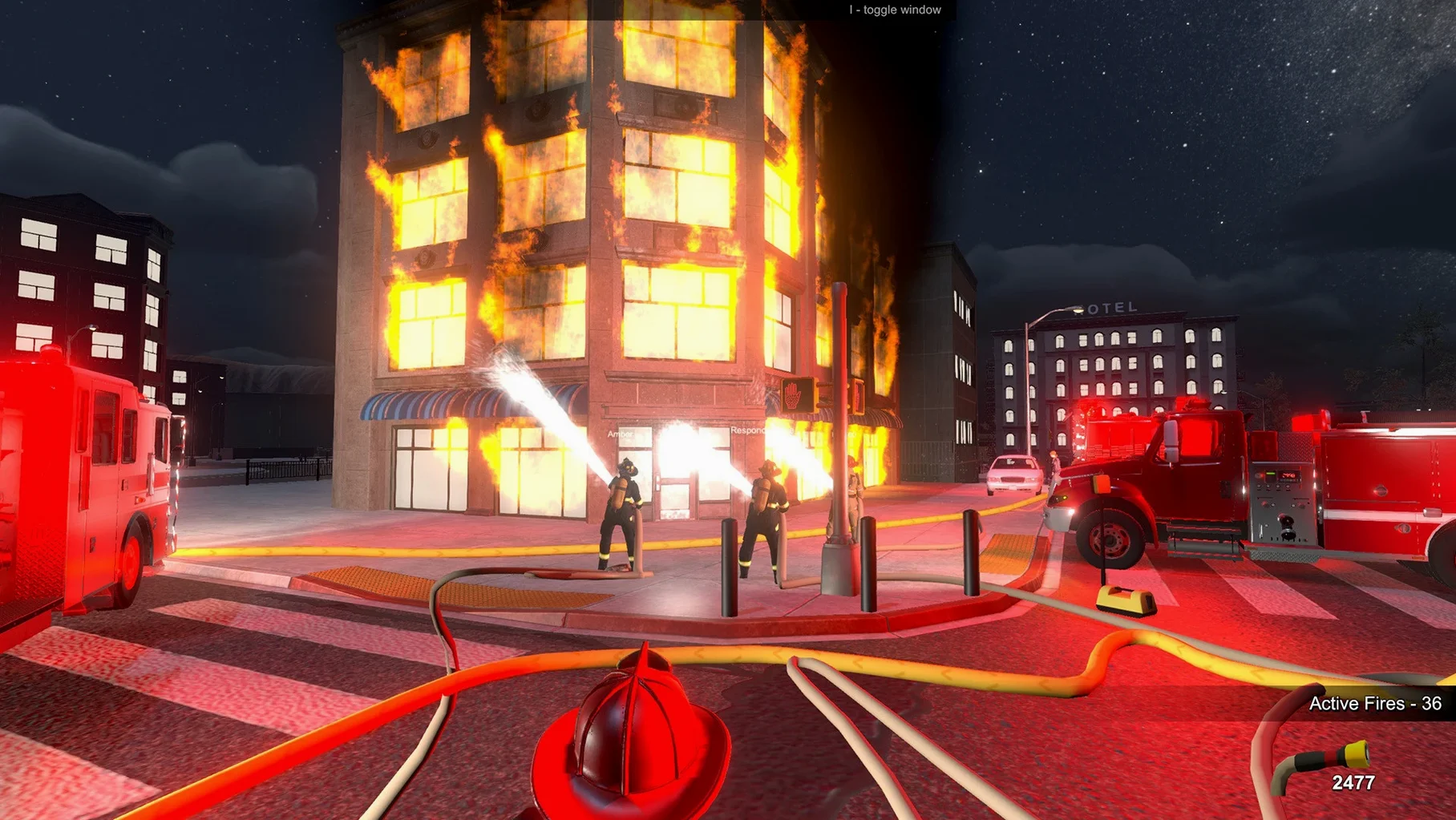
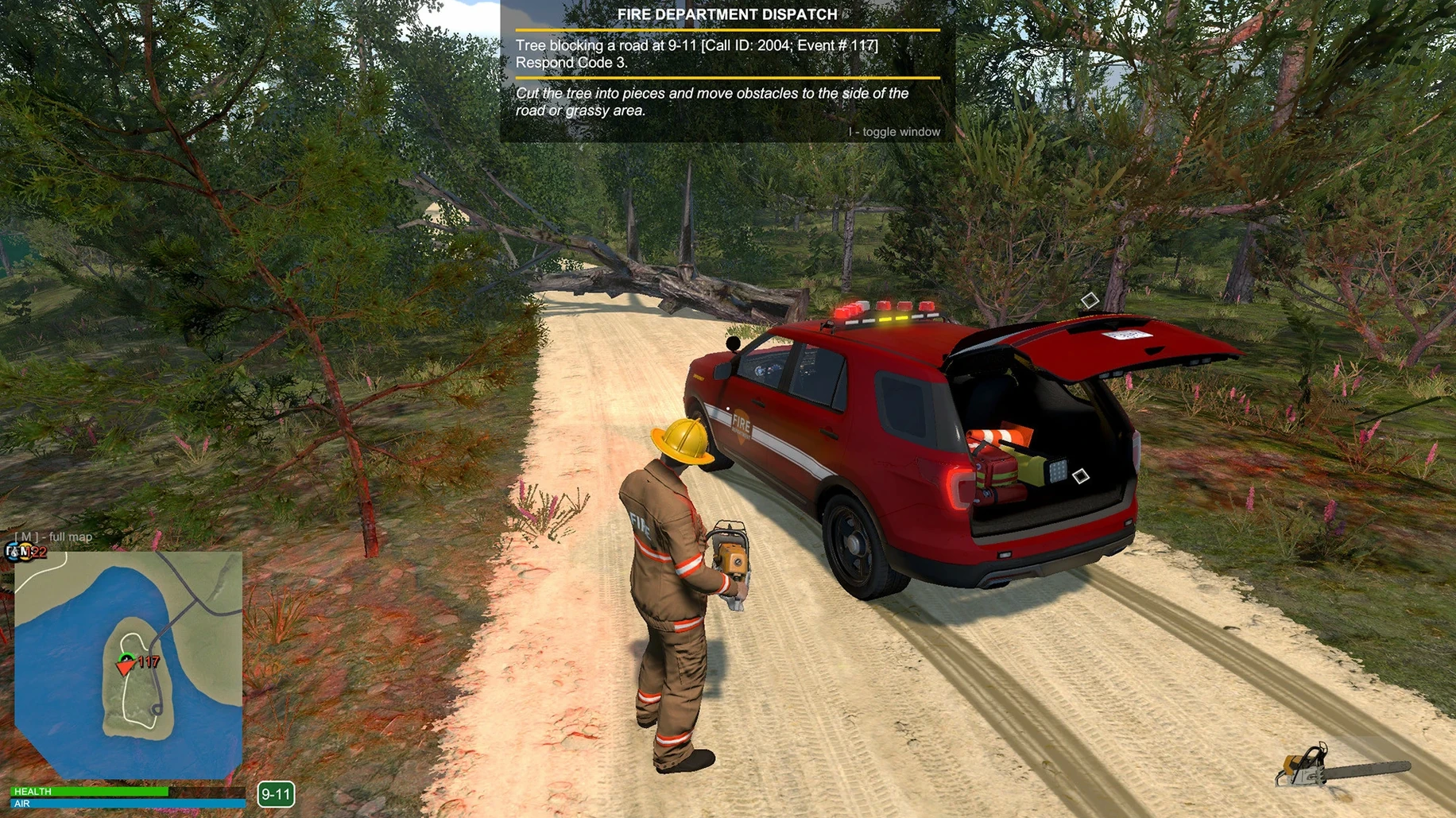
Firefighters extinguish blazes and pull injured people from burning structures. When a vehicle crash traps a casualty, you might use hydraulic cutters to peel back the roof so medics can reach the victim.
EMS — diagnose and stabilise
Medics work from ambulances with first-aid kits and stretchers. You diagnose injuries on the spot, treat wounds and decide who gets transported first — all while the fire crew keeps the area safe.
Native ARM and x86-64 Slices — No Rosetta Needed
One question that comes up often is whether the Mac build runs natively or through a translation layer. The app includes both ARM and x86-64 slices, so Apple Silicon and Intel Macs get a native experience without Rosetta overhead. That matters when three emergency vehicles converge on a burning warehouse and particle effects start piling up.
Another common concern is whether you can play solo or need a squad. Every role works in single-player — you switch between units as calls come in — but the game also supports co-op for those who want to split police, fire and EMS duties across real people. No separate download, no server browser fiddling.
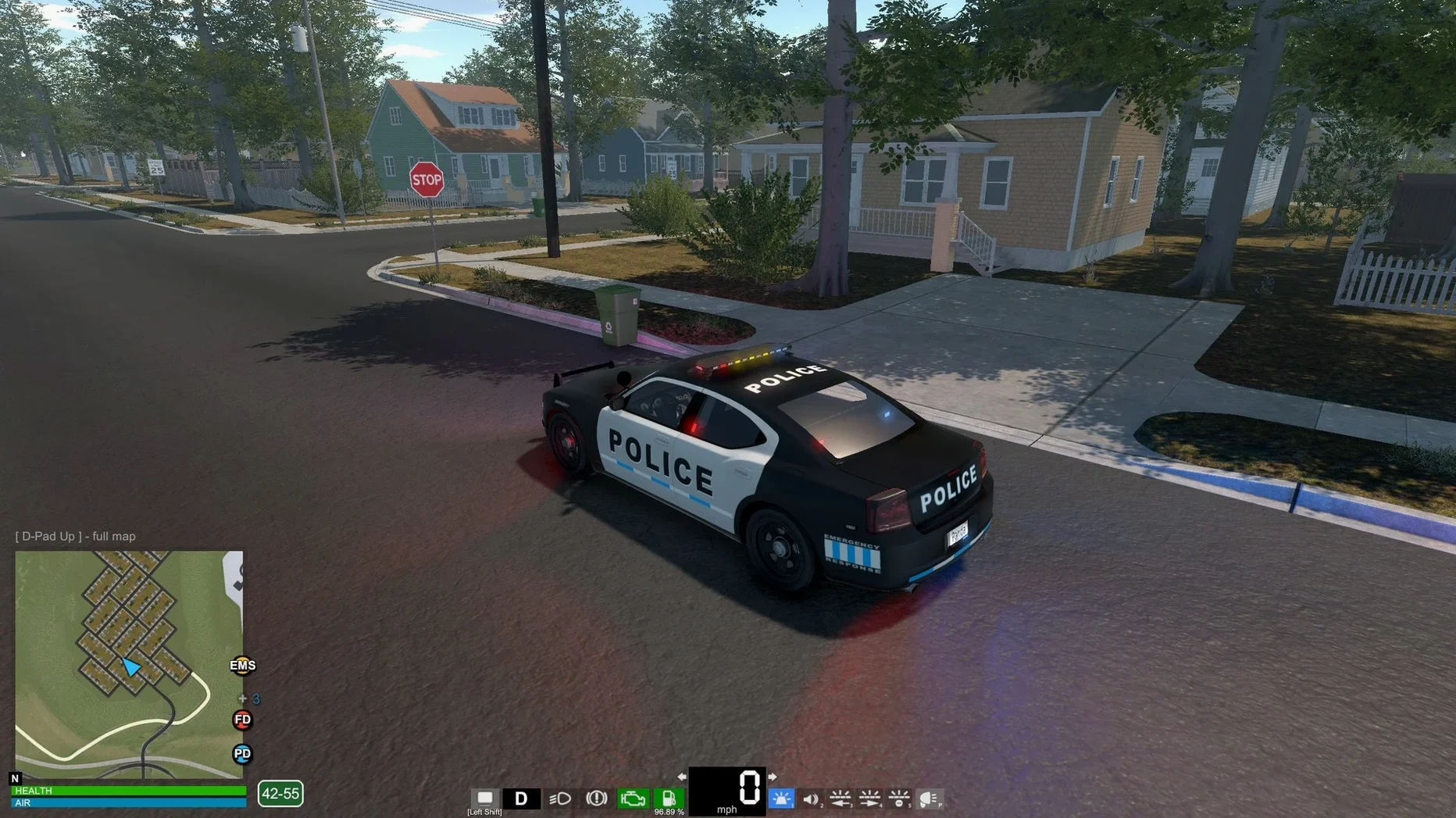
People also ask about the flashing lights themselves: whether the emergency beacons are purely cosmetic or signal something to AI drivers. Traffic does react — vehicles pull over when a police car runs lights and siren, though civilian AI is more convincing on straight roads than at complex junctions. Fire trucks and ambulances get right-of-way too, but the behaviour is tied to the siren state, not just the lightbar.
Q Cycles Your On-Foot Tools, B Toggles the Siren
A few shortcuts save time once you know they exist. Tapping Q while on foot cycles through available tools — fire extinguisher to hose to spreader — instead of hunting through a radial menu. In a vehicle, B toggles the siren without taking a hand off the wheel, which is useful when approaching an intersection silently and switching on the audible warning at the last moment.
The map screen shows incident markers with colour coding — red for fire, blue for police, white for medical — but you can also right-click a marker to set a waypoint that persists after you close the map. That waypoint appears on the minimap as a small pulsing dot, and the game routes it along roads rather than drawing a straight line across buildings.
Medics can drag a stretcher to a patient instead of carrying them, which keeps both hands free for a first-aid kit if the patient deteriorates en route to the ambulance. The prompt for this appears only when the stretcher is within a metre or so of the casualty, so it is easy to overlook during a chaotic extraction.
A fire-medic shift — one call, two roles
A fire unit arrives at a two-vehicle collision on the industrial estate. Smoke is rising from one engine bay; the other car has a driver pinned behind a deformed door. The firefighter pulls the extinguisher first — ten seconds of suppression stops the engine fire spreading to spilled fuel — then swaps to the hydraulic spreader. Cutting the door takes about eight seconds of sustained pressure, and the audio of groaning metal gives a clear cue when the cut finishes.
With the driver accessible, the player switches to the medic role. A quick diagnosis flags a leg fracture and moderate blood loss. The first-aid kit applies a bandage that stabilises the bleeding indicator, and the stretcher prompt lights up because the firefighter dragged it close during the extraction. Loading the patient takes about three seconds, and the ambulance pulls away with siren on, triggering traffic to clear the left lane. The whole call runs roughly four minutes from arrival to transport — tight enough to feel urgent, loose enough to let each tool have its moment.
- macOS ?
- Supports Apple Silicon and 64-bit Intel Macs
Sign in · Create an account to add a field note.
No field notes yet. A measurement, a version, a machine — they appear after moderation.