Games
Junkworld TD 1.2.5
GamesUpdated
| Requirement | On file |
|---|---|
| macOS | See the sheet |
| CPU | Apple Silicon, Intel 64-bit |
| Download | 376 MB |
| Tested on | macOS Sonoma, MacBook Air (M1. 2020) |
Blueprint for a Post-Apocalyptic Tactician
Do you enjoy tower placement freedom?
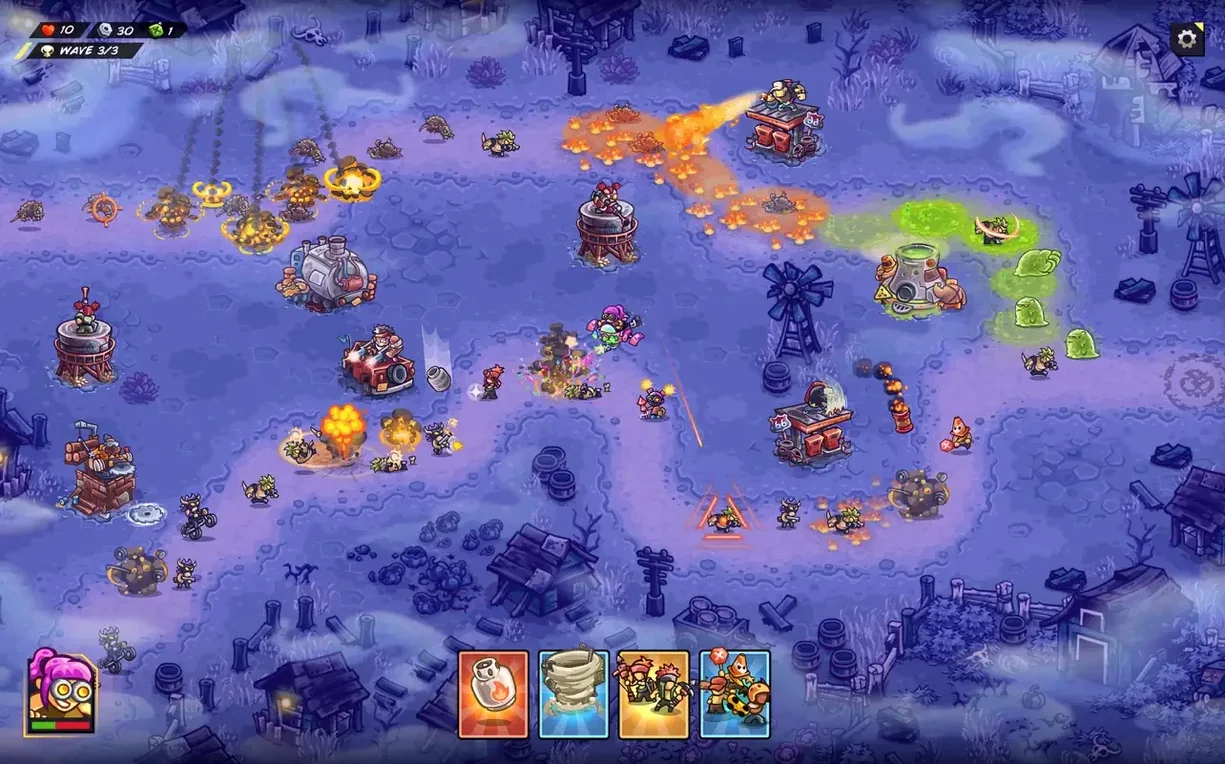
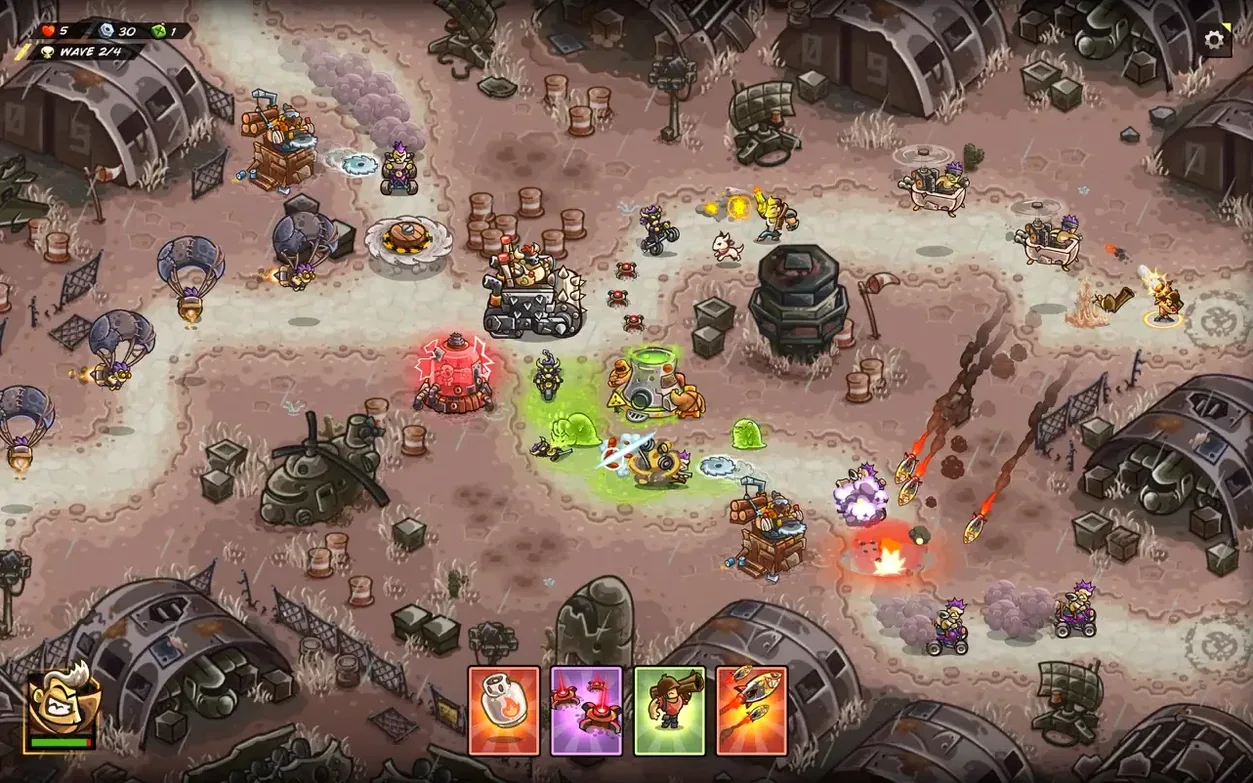
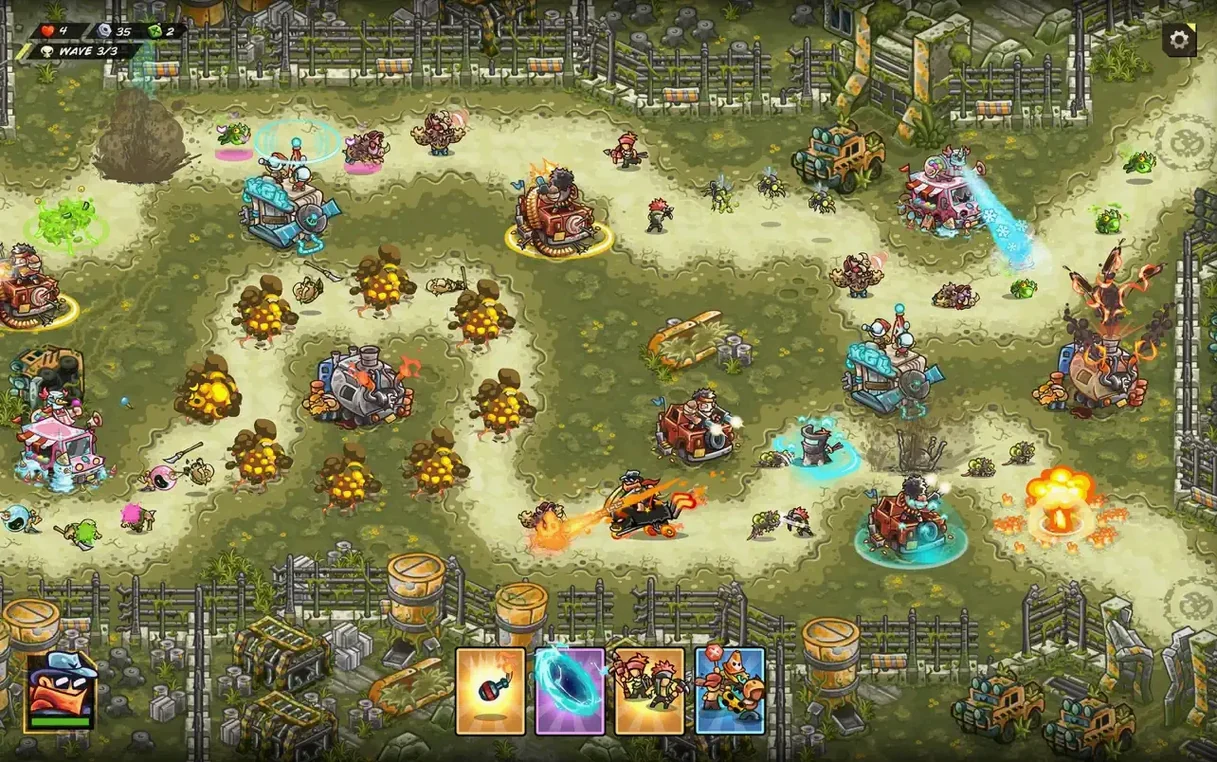
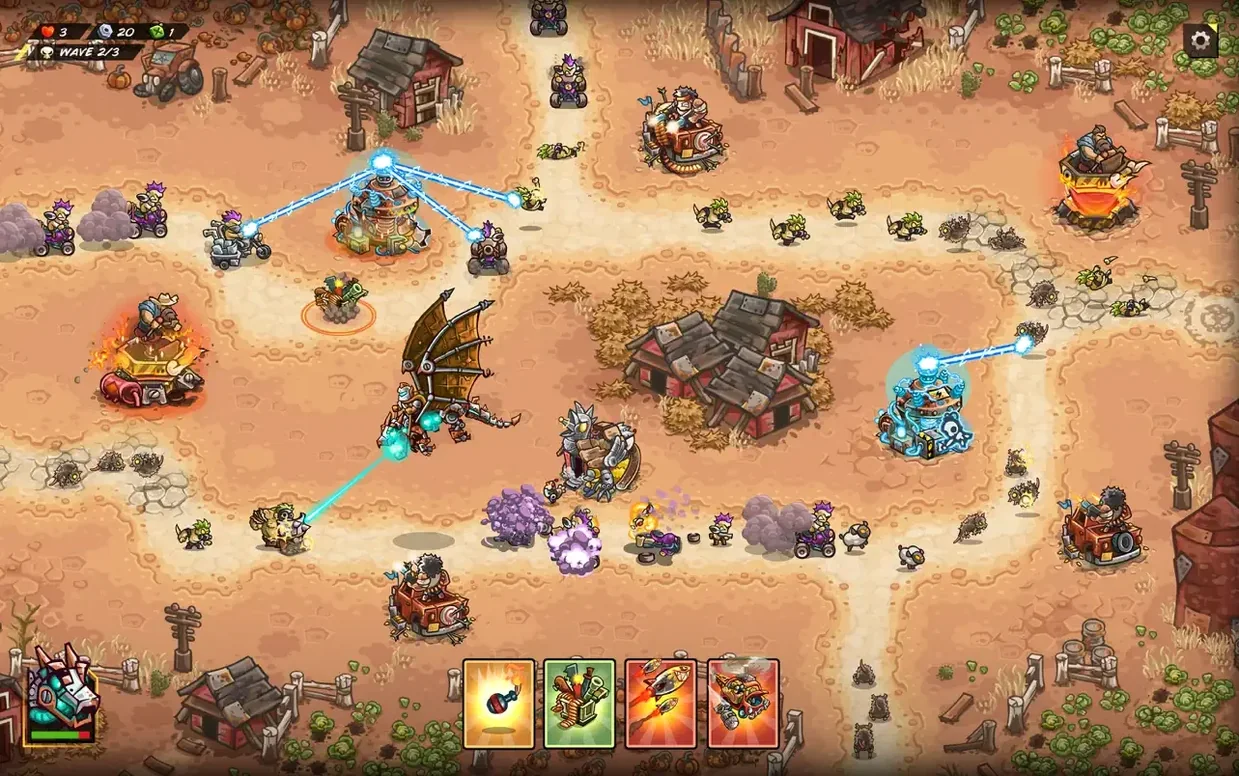
Unlike lane-restricted defenders, Junkworld TD lets you place any of the 16 towers anywhere on the map. That opens up aggressive chokepoint strategies and messy, last-second scrambles in equal measure.
Will the scavenger-clan setting keep you engaged?
The post-apocalyptic wasteland is more than window dressing. You lead a scrappy clan through 80 stages, uncovering hidden secrets and achievements while studying enemy intelligence to exploit weak points. If lore-light chaos with a rusty aesthetic appeals, this hits the spot.
Does the hero-gadget-tower mix feel good, or just busy?
Special units, gadgets, and heroes layer on top of the tower base. For players who like juggling multiple ability cooldowns mid-wave, it's a satisfying knot to untangle. If you prefer pure tower economics without hero micro, the extra plates can feel like distraction.
Too Many Moving Parts for a Quick Puzzle Fix
Someone seeking a tight, minimalist defence puzzle. The sheer volume of systems—16 towers with special abilities, hero commands, gadgets—demands attention. A player wanting five-minute brain-teasers will find Junkworld TD closer to a full tactical scrap.
Pre-Download Worries About Free-to-Play Walls
Does it run offline, or does it need a constant connection?
No network is required once the game is installed. All 80 stages, the 9 heroes, and the gadget system work entirely offline. The only thing missing without a connection is cloud-sync of your progress across devices — local saves sit untouched on your Mac.
How does the Mac version handle without a touchscreen?
Ironhide built the pointer controls from the ground up for macOS. Tower placement uses click-and-drag, hero abilities map to keyboard shortcuts, and the tactical overlay responds to right-click. On a MacBook Air (M1, 2020) under macOS Sonoma, the frame rate stays smooth even when the screen fills with scrap-metal turret fire and a dozen enemy sprites. No emulation layer, no touch-input awkwardness.
Is this a short campaign or something I can sink weeks into?
The 80-stage count is the skeleton. Each stage has optional challenges, hidden secrets, and three difficulty tiers that change enemy compositions rather than just inflating health bars. Add the 16 unlockable tactics — you can equip up to 4 per stage — and replay value comes from experimenting with loadouts, not just grinding stars. A completionist run easily stretches past 35 hours.
What about the "junkworld td mac full version" question — is anything cut from the macOS release?
Nothing is stripped out. The Mac build mirrors the full Apple Arcade version feature for feature: all 4 hostile landscapes, the complete roster of 16 towers with their special abilities, the 9 heroes, every gadget, and the full enemy intelligence system. What you get on an iPhone or iPad, you get here.
From Launchpad to a Blinking Stage on the Wasteland Map
You open the game from Launchpad. The clan hub appears — your scavenger crew huddled around a generator in the rust-brown dusk. A new stage marker blinks on the wasteland map. You tap it.
The loadout screen gives you 16 tactics to browse. You pick three: one that boosts scrap-metal tower damage by 20 percent, one that reduces gadget cooldowns, and a fourth slot left empty because you haven't unlocked the next tier yet. You select a hero — the one with the area stun, because the stage preview shows fast-moving bike units — and confirm your four-tower set.
The stage loads. A cracked highway snakes left to right. You place your first tower at the bend: a tesla coil that arcs between wet-ground patches. Wave one hits. Scrap bikes. The coil catches three at once. You drop a second tower further back, a flamethrower with a narrow cone spread, and start banking scrap currency for an upgrade.
Mid-wave, a shielded heavy rolls in. You activate your hero's stun ability with a keystroke, freezing it inside the flamethrower cone. The shield pops. You drop a gadget — a one-shot minefield — at the exit path just as the second heavy appears. Both go down before reaching your generator.
Between waves, you scroll the enemy intelligence panel. The next wave introduces poison-spitter units that outrange your flamethrower. You sell the flamethrower at half cost, reposition a long-range cannon on high ground, and cycle a new tactic into your fourth slot: faster tower rotation speed. Wave three arrives. The cannon swings quickly, picks off spitters before they can lob, and the stage clears with one star — enough to unlock a hidden side path on the map.
Total session time: 12 minutes. You earned a new gadget blueprint and 3 scrap caches. You close the game knowing the side path will need a completely different loadout tomorrow.
Building Anywhere Shatters the Kingdom Rush Formula
Kingdom Rush Vengeance — also from Ironhide — is the obvious comparison point. Kingdom Rush locks towers to pre-set platform spots along a fixed path. Junkworld TD throws that out: you build anywhere. That single difference makes Junkworld feel looser and more improvisational, but it also means map design leans less on intricate lane puzzles. Kingdom Rush rewards studying the exact pathing geometry; Junkworld rewards adapting your tower placement on the fly when a wave comes from an unexpected angle. Both have hero units and ability micro, but Junkworld's 4-tactic system adds an extra layer of pre-stage customisation that Kingdom Rush doesn't match.
Bloons TD 6 shares the anywhere-placement philosophy and the sheer volume of towers and upgrades. Where Bloons leans into pop-culture absurdity and a balloon-popping economy loop, Junkworld stays grounded in its rusty, clan-survival aesthetic. Bloons has deeper upgrade trees per tower; Junkworld spreads its complexity horizontally across 16 towers, 16 tactics, gadgets, and hero commands. If you want spreadsheet-level upgrade paths and late-game freeplay that runs into hundreds of rounds, Bloons scratches that itch better. If you want a structured campaign with distinct stage design and a fixed 80-stage arc, Junkworld feels more purposeful.
Defender's Quest: Valley of the Forgotten takes a hybrid RPG approach — your placed units are characters with equipment and levelling. Junkworld keeps the RPG elements lighter (hero abilities, tactic unlocks) and focuses on tactical variety during a stage rather than between-stage character building. Defender's Quest rewards long-term party planning; Junkworld rewards mid-mission adaptation. Both let you place units freely, but the pacing differs: Defender's Quest gives you breathing room between waves to tweak gear, while Junkworld pushes you to read the enemy intelligence mid-battle and swap tactics before the next spawn hits.
- macOS 11.0 or later
- Apple silicon and Intel Macs supported
Sign in · Create an account to add a field note.
No field notes yet. A measurement, a version, a machine — they appear after moderation.