Games
King's Bounty II 1.7 Build
GamesUpdated
| Requirement | On file |
|---|---|
| macOS | See the sheet |
| CPU | Apple Silicon |
| Download | 19.7 GB |
| Tested on | macOS Sequoia, MacBook Pro (M3 Pro 2023) |
M1–M3 Only, No Intel Support
This build of King's Bounty II runs on Apple Silicon Macs using Wineskin. It requires an ARM-based machine — M1, M2, or M3 series. Intel Macs are not supported. The current version is 1.7 Build (8178363).
Permanent Story Branches Tied to Hero Alignment
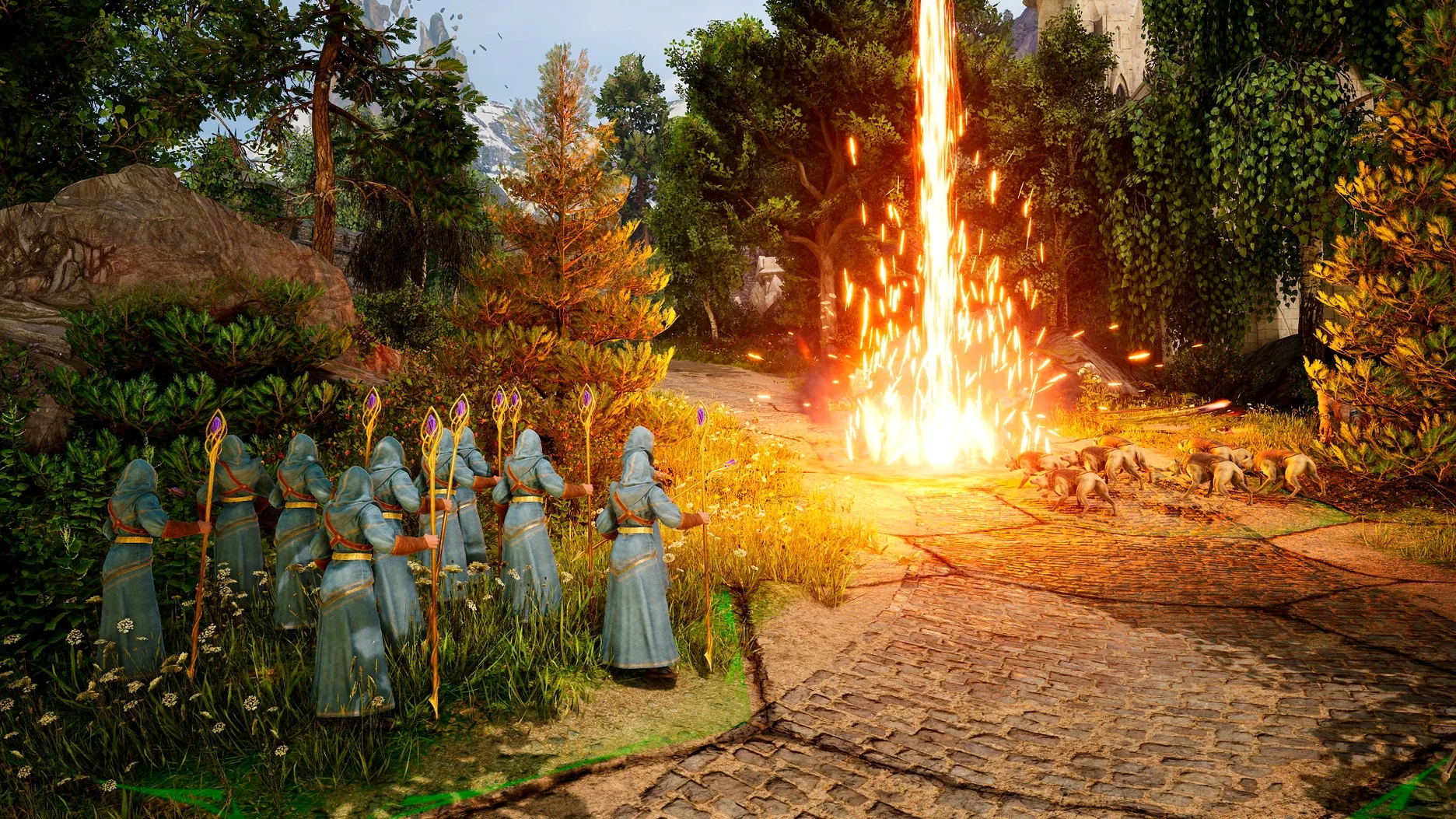
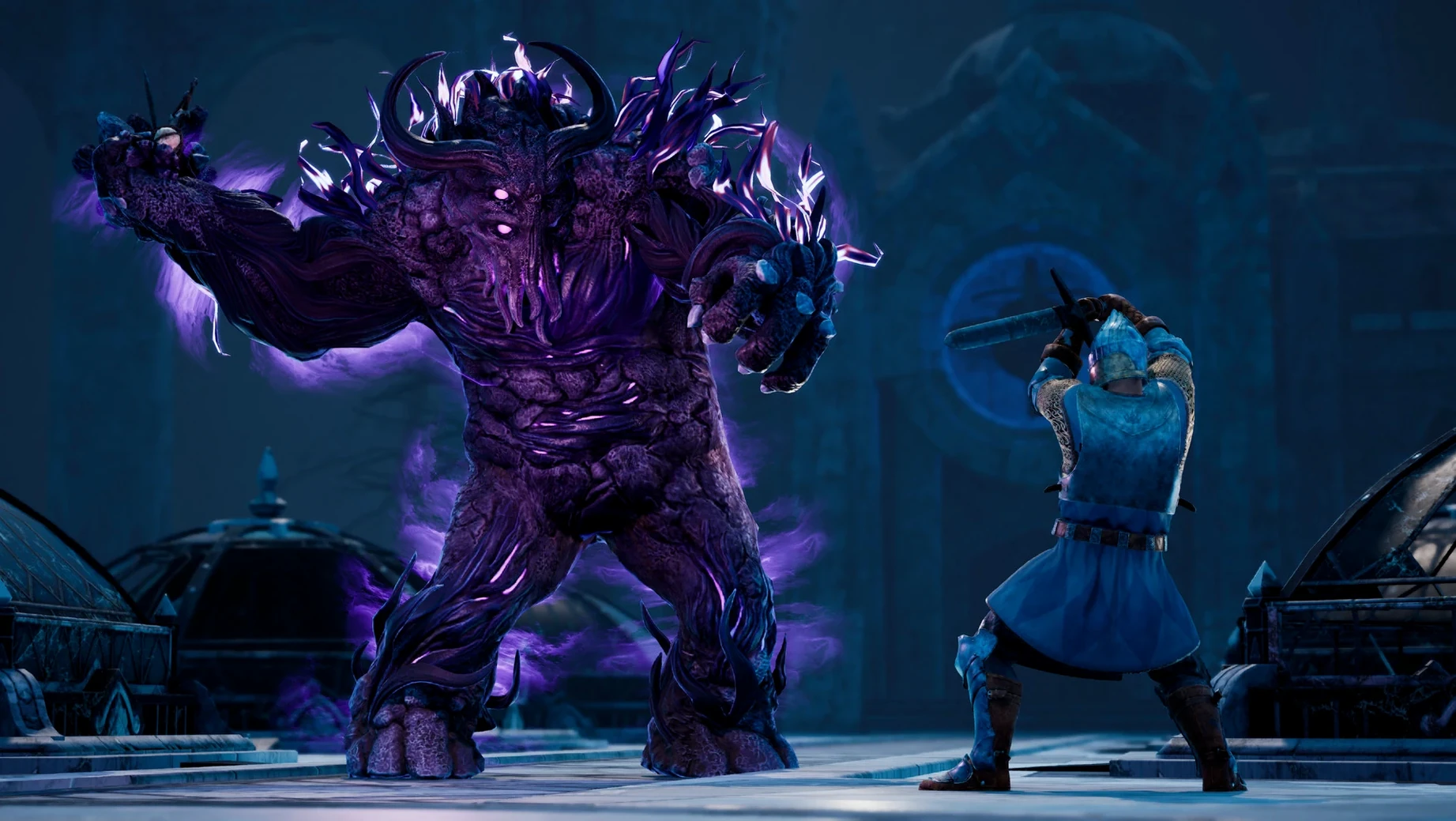
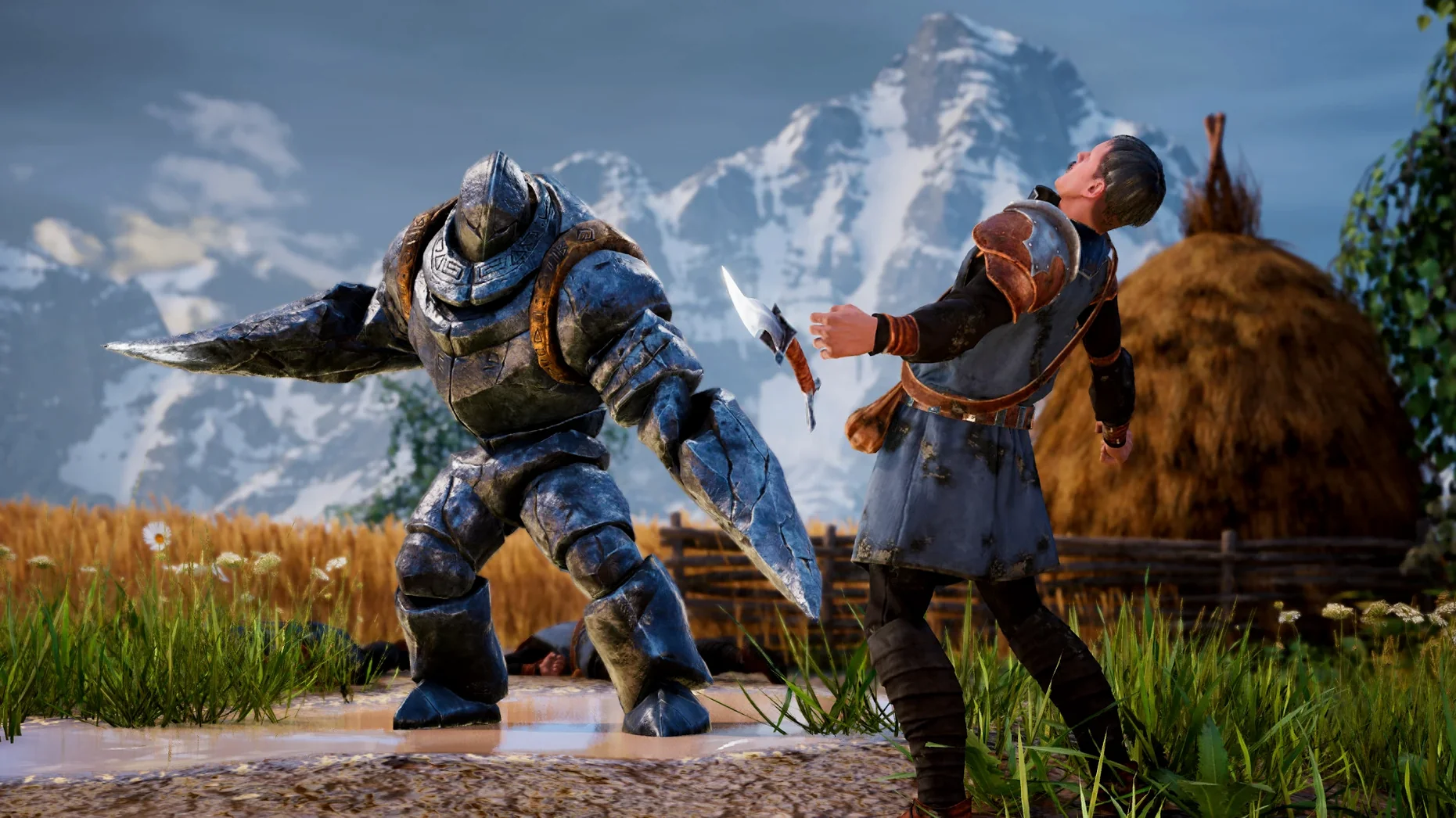
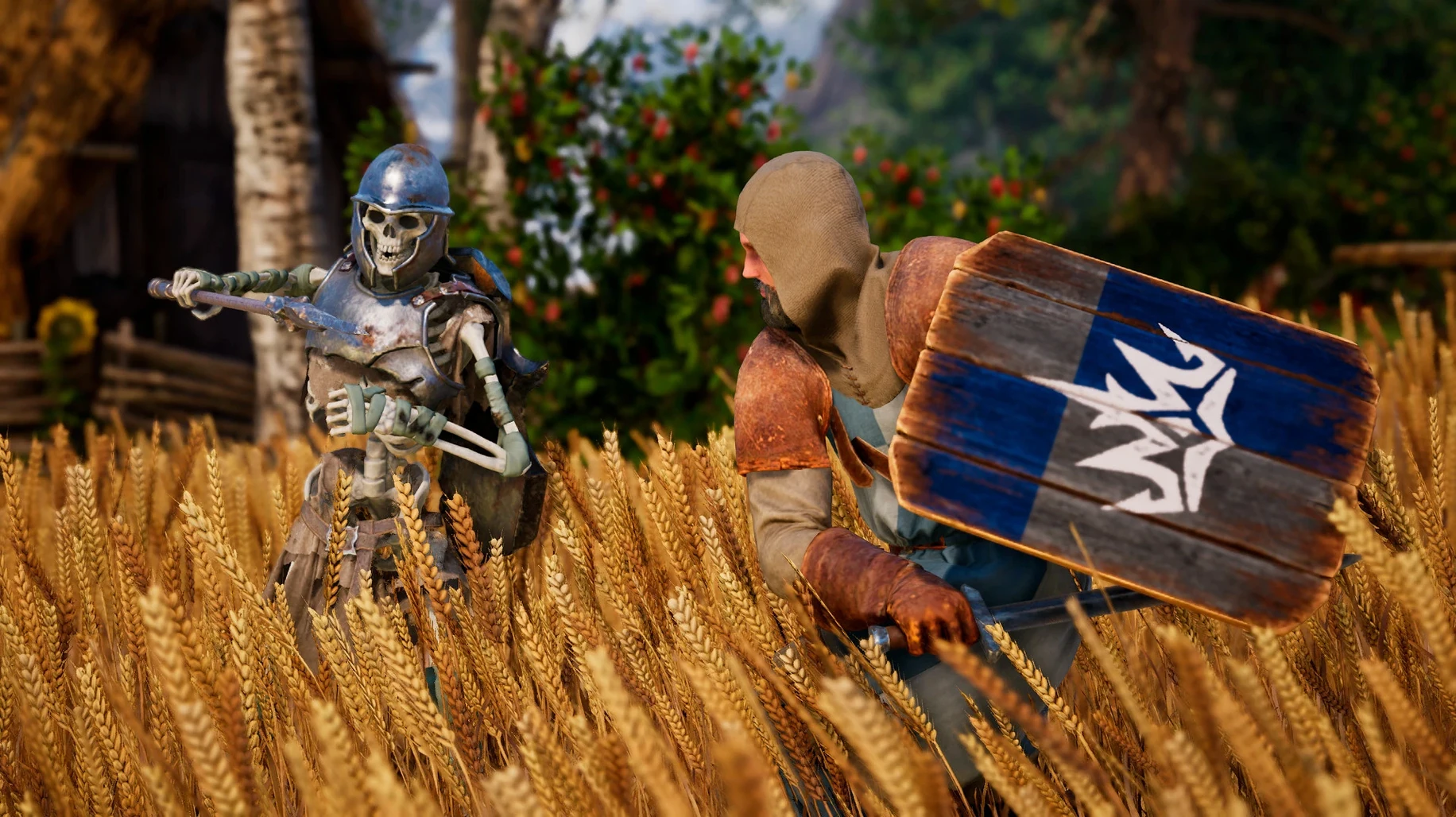
King's Bounty II suits players who enjoy weighing decisions carefully. The game tracks choices across the entire campaign, and branches in the story are permanent. You pick one of three heroes, each with a distinct backstory and moral alignment, then assemble an army from a large unit roster. Terrain matters here: height, obstacles and unit positioning shift the tactical math in every turn-based fight. If you like systems where a bad call twenty hours ago comes back to haunt you, this is your game.
It is not a quick skirmish title. Pacing is deliberate. The turn-based combat rewards patience, and the recruitment system asks you to balance unit synergies rather than simply fielding the strongest creatures. Someone after a fast action RPG will bounce off. But for a player who treats battlefields as puzzles and narrative forks as permanent markers, the structure holds.
Reckless Unit Losses Drain Gold Fast
New players often treat unit stacks as disposable. In the early hours, replacing losses eats gold faster than almost anything else, and the economy does not forgive careless trades. A unit wiped out in a fight you could have won with one fewer casualty sets you back for the next three encounters. The habit to build: retreat a damaged stack before it dies, even if it means losing a turn of offence.
Another recurring error is ignoring the alignment system. Each hero leans toward Anarchy, Order, Finesse, or Power, and units have matching affinities. Fielding a squad that clashes with your hero's alignment incurs morale penalties — lowered initiative, missed turns. Beginners sometimes recruit the biggest creature available without checking the affinity icon on its card, then wonder why their formation falls apart mid-battle. Check that icon before every purchase.
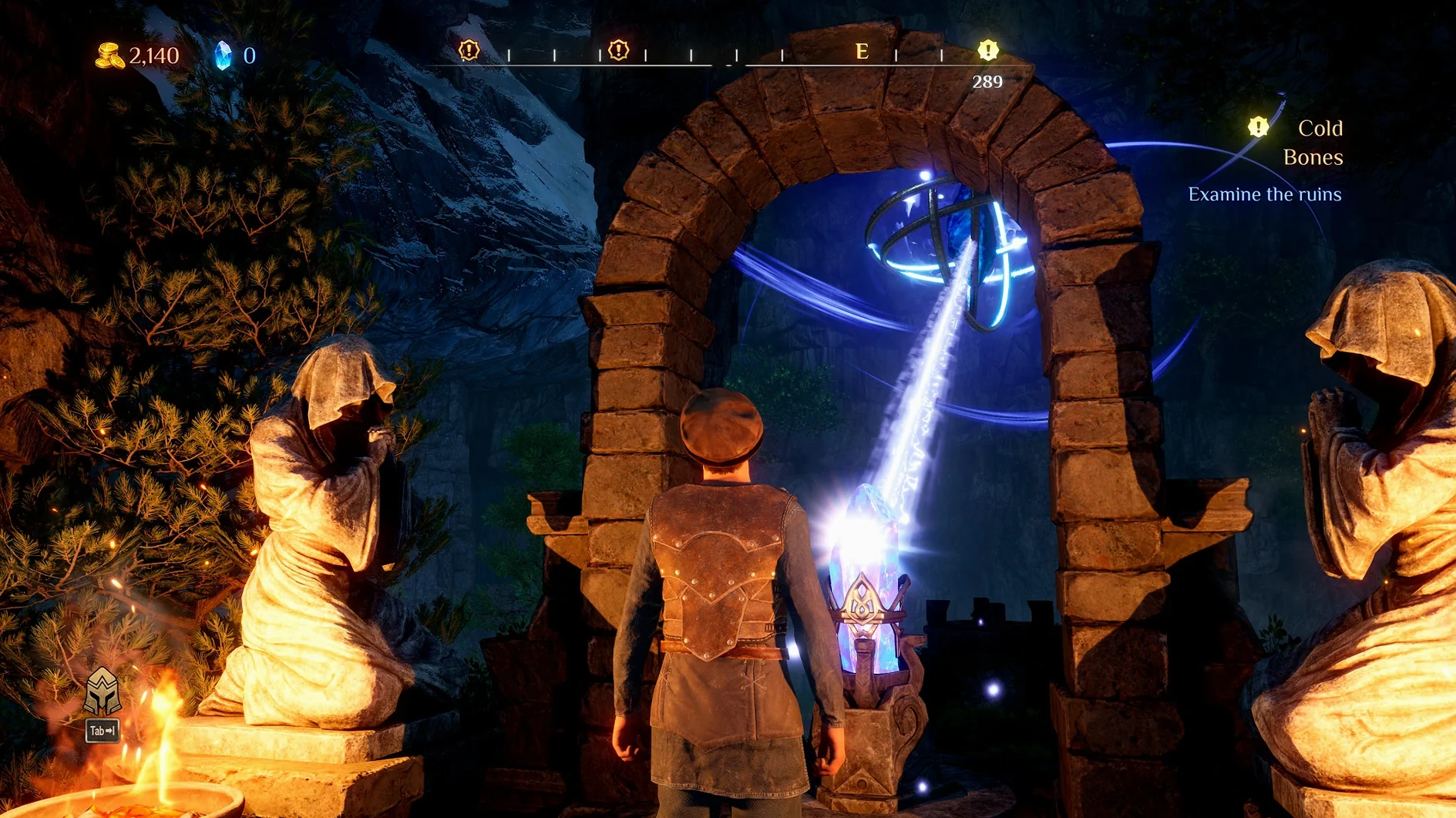
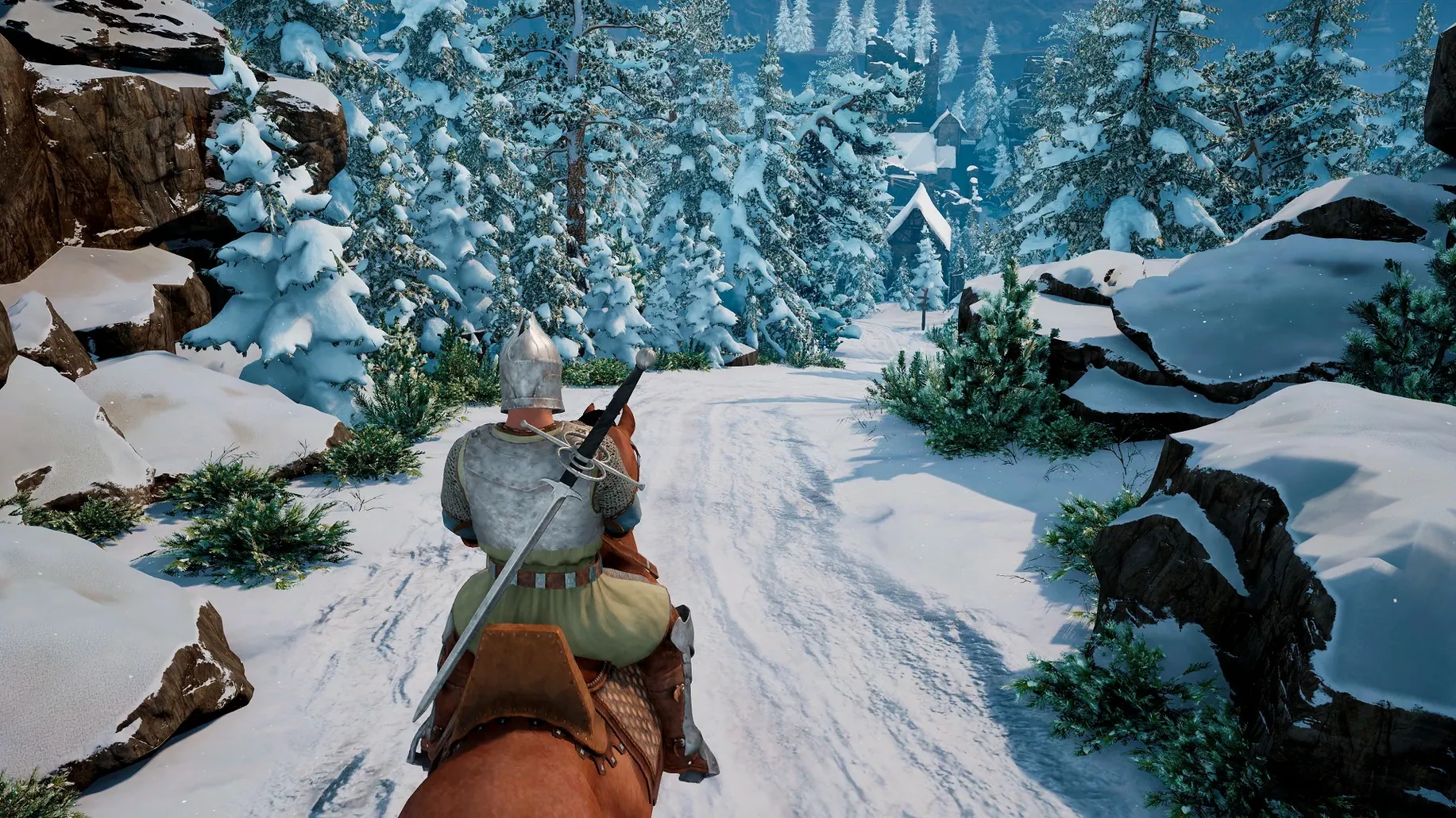
Skipping side quests early is a trap. The main path in the first province, Crown Lands, tightens quickly around level 5 if you have not cleared the optional contracts. Three or four extra fights from the bounty board often make the difference between a smooth boss encounter and a reload spiral. The game expects you to explore off the road.
Run the Repair File on First Launch Error
On first launch, the Wineskin wrapper may throw an error — this is mentioned in the install notes, but it bears repeating. Run the repair file from the disk image before you do anything else if the app fails to open. Once the game starts, let the shader cache build for a few minutes in the opening area; stuttering during that first session is normal and settles after the cache warms up.
Pick your hero based on temperament, not perceived power level. Aivar the warrior looks straightforward on paper, but his Order alignment narrows unit choices later in ways that frustrate players who want to experiment. Elisa (Finesse/Anarchy) gives a wider palette for army composition and is a gentler on-ramp if you are still learning the affinity grid. Spend the first hour rotating the camera in battle to internalise how height and flanking modify damage — the terrain overlay toggle is bound to a key that the tutorial mentions once and never again.
Locate the save folder early. The path lives inside the app bundle at Kings Bounty II.app/Contents/SharedSupport/prefix/drive_c/users/Sikarugir/AppData/Local/KingsBounty2. Back up that directory before installing any macOS point update; Wineskin wrappers occasionally lose write permissions after a system patch, and a backup saves you from a silent corruption of your campaign file.
Tighter Unit Economy vs. Divinity’s Surface Chaos
Against Divinity: Original Sin 2, the combat grid in King's Bounty II feels smaller in scope but tighter in economy. Divinity lets you reshape the battlefield with surfaces and teleportation; King's Bounty II keeps the focus on unit positioning, morale chains, and the terrain that already exists. Where Divinity rewards improvisation, King's Bounty II rewards formation discipline. The narrative branches in King's Bounty II are simpler but carry weight across the full campaign in a way that Divinity's act structure does not always match.
Next to Wasteland 3, the tone is less bleak and the RPG systems are flatter — no skill trees per squad member, no dialogue skill checks driving quest outcomes in the same layered way. King's Bounty II substitutes that depth with army-building as a long-term system: a roster decision made at hour ten still shapes your tactical ceiling at hour thirty. Wasteland 3 gives you more immediate story agency; King's Bounty II gives you a slower-burning strategic puzzle.
XCOM 2 on Mac offers stricter turn limits and a concealment phase that King's Bounty II lacks entirely. The cover system in XCOM 2 is binary — half cover, full cover — whereas King's Bounty II uses a graduated height-advantage model that feels less random. If you prefer deterministic tactical modifiers over percentage dice, the Antara battlefields will feel more readable. XCOM 2 punishes a single missed shot with squad wipes; King's Bounty II punishes poor army composition across multiple fights, which is a different kind of tension.
- Apple Silicon Mac (M1, M2, M3 series)
- macOS version at least supports Wineskin-based ARM apps
Questions on file
Does King's Bounty II run on Intel Macs?
No, this build is compiled for ARM architecture and works only on Apple Silicon Macs (M1, M2, M3 series).
How many playable heroes are there?
There are three main heroes, each with their own story path and dialogue options that affect the world of Antara.
Does terrain affect combat?
Yes, terrain features like height differences and obstacles directly influence unit movement, attack range and tactical positioning.
Sign in · Create an account to add a field note.
No field notes yet. A measurement, a version, a machine — they appear after moderation.