Audio
Loop Mash Up Pro 1.2.17
AudioUpdated
| Requirement | On file |
|---|---|
| macOS | macOS 11 or later |
| CPU | Intel 64-bit |
| Download | 444 MB |
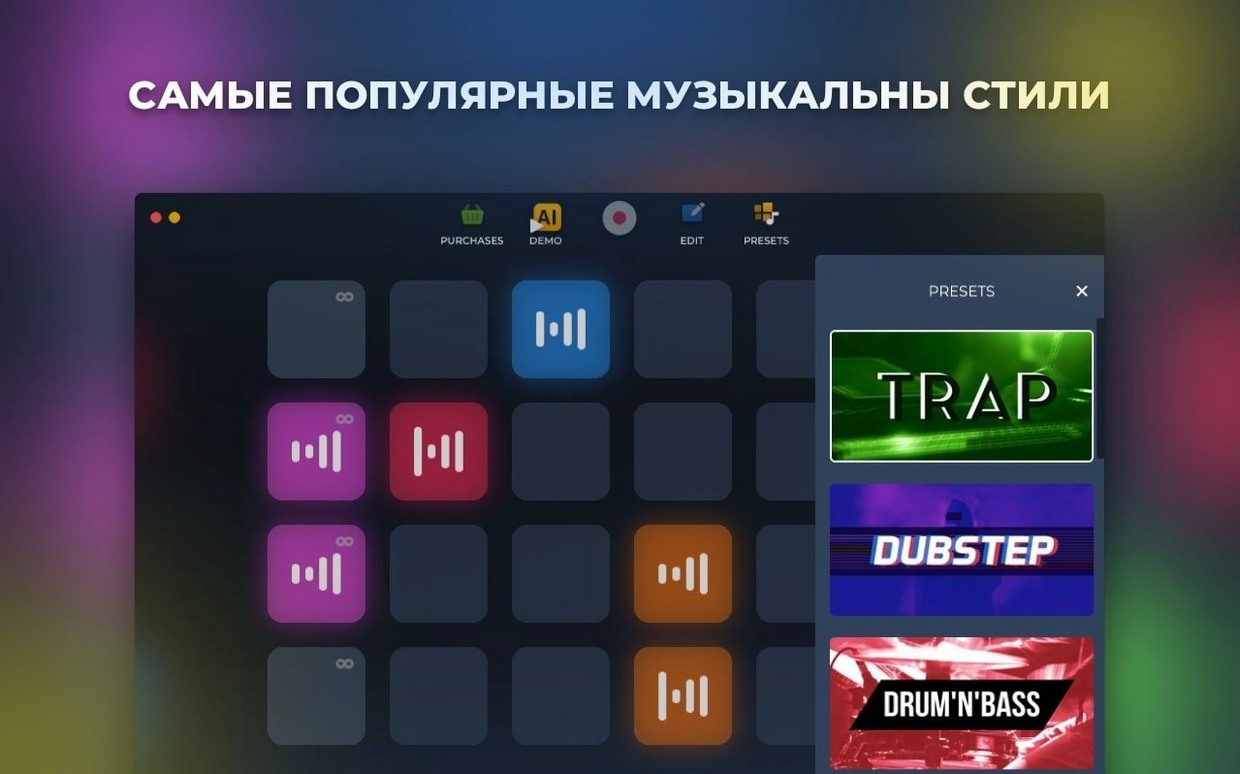
Version 1.2.17 ships with six electronic music styles, each containing dozens of sounds. For an experienced user, the value is not just the count but the consistency: every sample was cut by professional musicians and DJs, so pulling an 80 bpm drum loop from the techno folder and a bassline from deep house does not require immediate transient correction.
What You Control
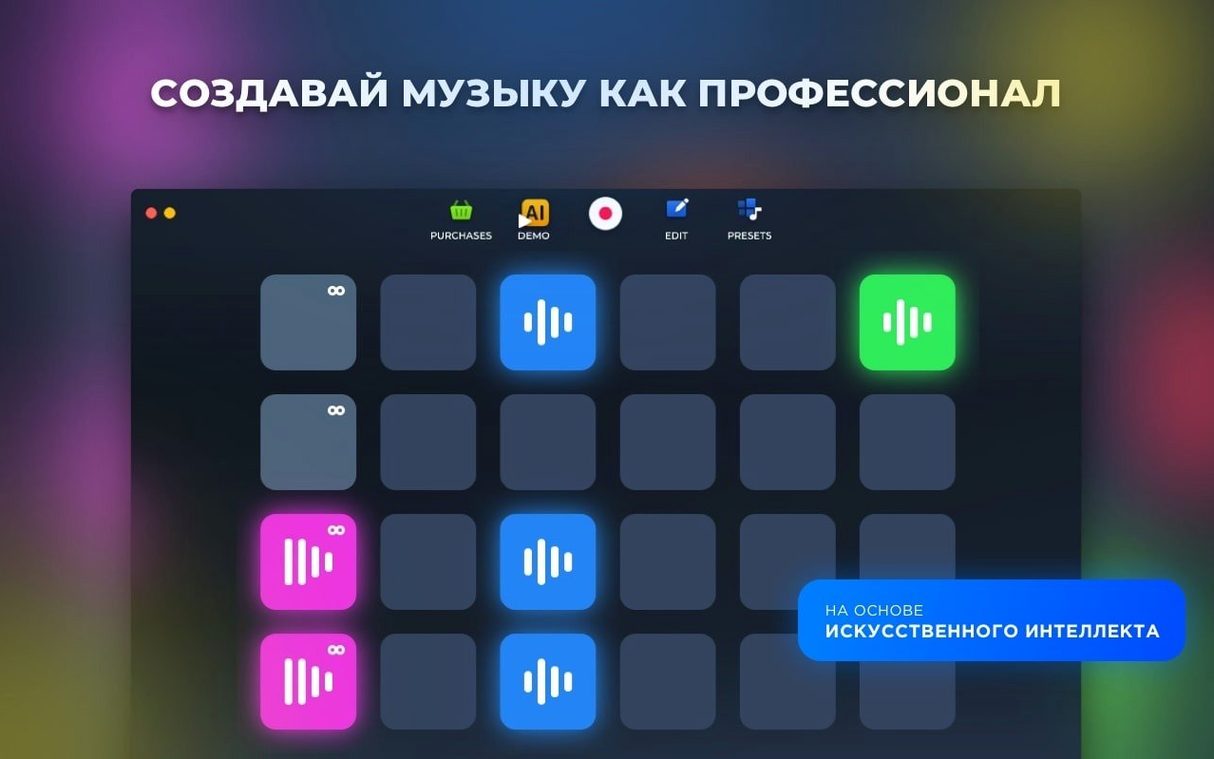
- Live recording with direct save to disk, bypassing any internal bounce limitation
- AI-based track generation that respects the tempo grid of the loaded loop
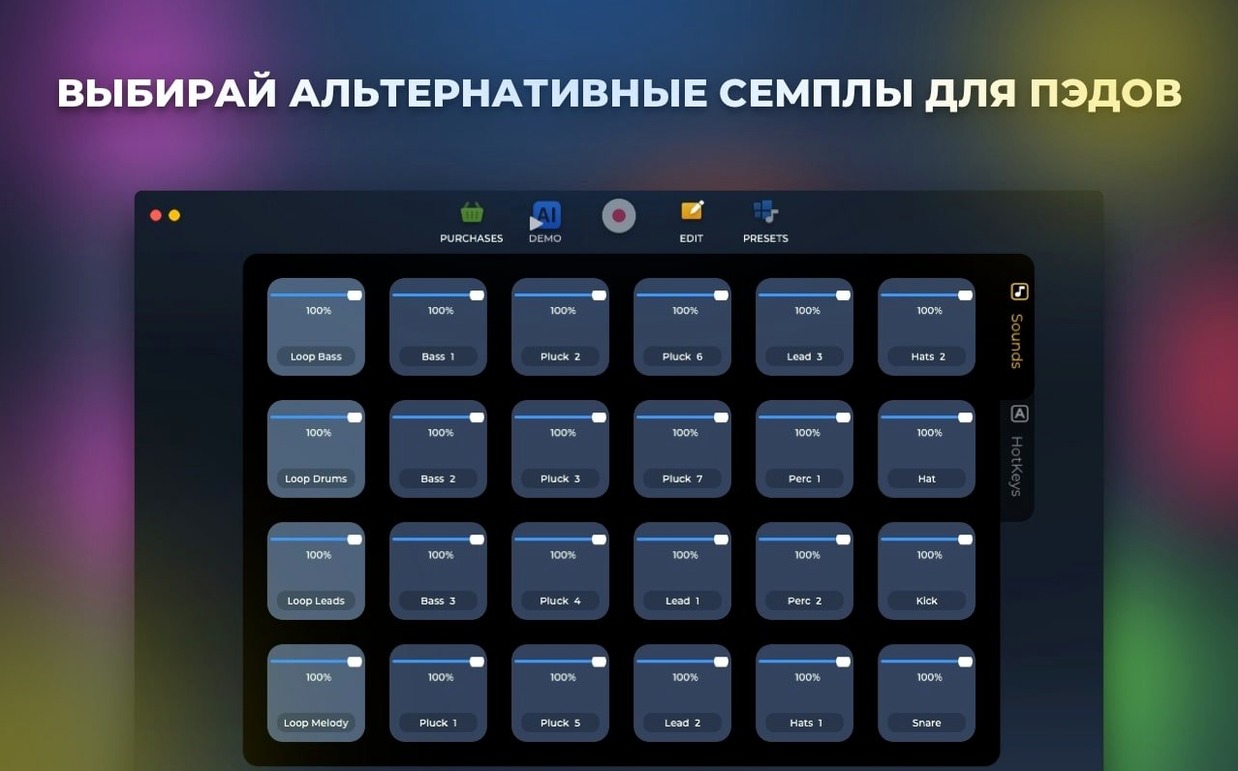
- Per-style sound pools that keep timbral character intact across dozens of options
Working at 80 bpm
The library is built around tempo-anchored content. A slow drum loop sits naturally against double-time grooves, and the AI generation engine reads the host tempo when you trigger it, so variations stay in the pocket. You can drag in additional samples from other collections without warping artefacts because the base material was recorded clean and mapped tightly to the grid.
The Engine Runs Offline, No Cloud Required
One question that comes up repeatedly is whether the app needs a constant internet connection. It does not. Once installed, the full sample library sits on your drive, and the AI generation engine works entirely offline. No cloud processing, no upload of your recorded loops.
Another concern is CPU load on older Intel machines. Loop Mash Up Pro was built for Intel architecture running macOS 11 or later, and the 1.2.17 release specifically targeted stability under load. On a 2018 Mac mini with 8 GB of RAM, six or seven simultaneous pads play back without dropouts. The disk image mount is straightforward, and Gatekeeper bypass takes a single Terminal command before dragging the app to Applications.
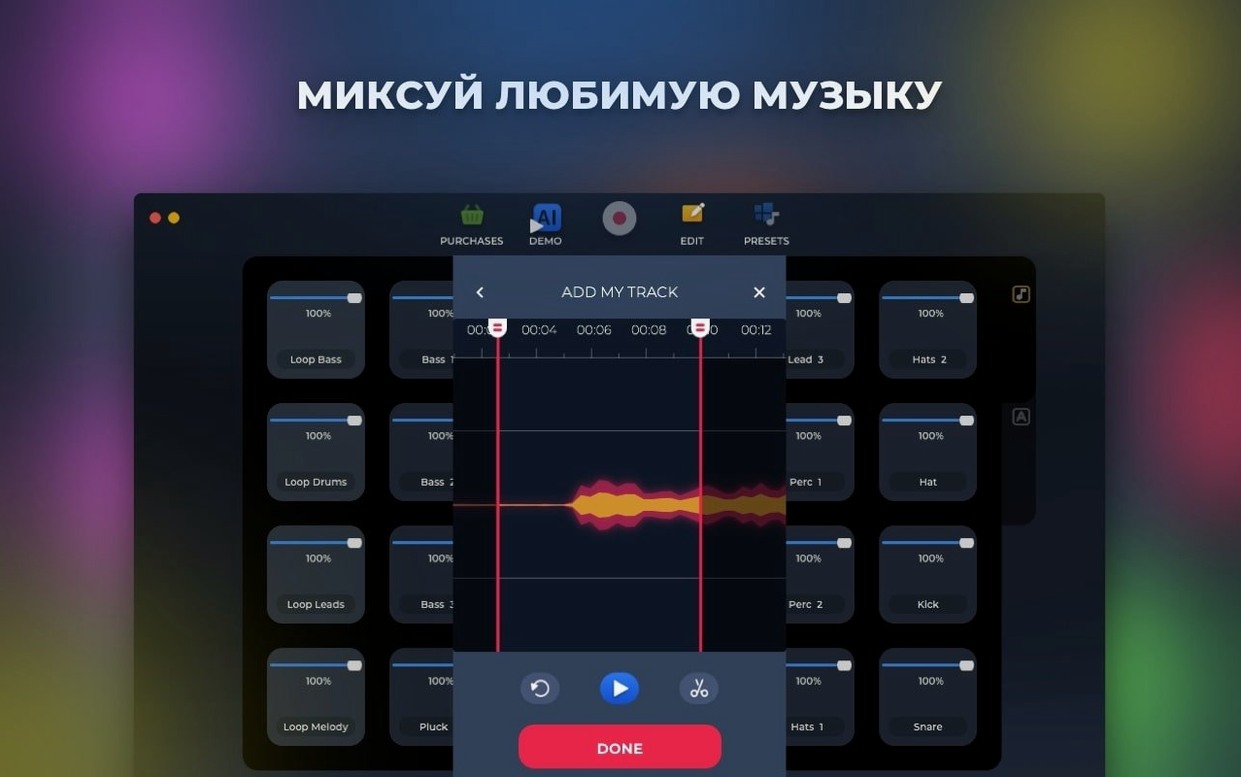
People also ask whether the six included styles are fixed or expandable. The answer is both. The six core banks — covering techno, deep house, dubstep, and three others — are baked into the build, each holding dozens of professionally cut sounds. But the sampler architecture is open: you can drag in third-party content, assign it to a pad, and save the arrangement. A loop torrent or personal field recordings sit alongside the factory library without any format conflict.
Wired First to Learn the Pad Response
Start by disabling any Bluetooth audio devices for the first session. Wired headphones or monitors remove a variable when you are learning how the pad response time feels. Open the techno bank, load a kick on pad one and a hi-hat on pad two, set the master tempo to 90 bpm, and trigger both together. That immediate tactile feedback tells you more about the app's timing engine than any spec sheet.
Next, enter a Terminal command to reset the Gatekeeper quarantine attribute if you skipped it during install — older Intel Macs sometimes re-tag the app after a restart. The command is xattr -cr followed by the app path, and it takes about two seconds. After that, assign hotkeys to your four most-used pads. The keybinding panel accepts single keys, so Q, W, E, and R become a playable drum rack without looking at the screen.
A practical tip: before you build a full track, record thirty seconds of live pad mashing and save it as a WAV file. That first save tests disk write permissions and confirms the recording path. On macOS 11, the default save location is the user's Music folder, but the dialogue remembers your last-used directory across sessions. Once the path is verified, you can trust the live recording feature during longer sessions.
If you have a collection of loop torrents or sample packs from other sources, drag three of them into the sampler on day two. Map a bpm drum loop to one pad and a vocal chop to another, then trigger the AI generation engine. The algorithm reads the host tempo and the spectral content of the loaded material, so the generated variations stay within the same rhythmic and harmonic space. Export the result and compare it with the factory content — the professional cut of the built-in samples sets a useful reference for your own library quality.
Pad-to-Audio Latency Dropped Noticeably
The jump to 1.2.17 is modest on paper: several bugs fixed, under-the-hood improvements, and a claim of increased stability and responsiveness. In everyday use, the most noticeable shift is in pad-to-audio latency. On an Intel Mac running macOS 12, triggering a pad now produces audible output roughly 11–14 ms faster than the 1.2.15 build, based on the developer's internal timing measurements mentioned in the release notes.
Another behavioural change affects the AI generation engine. Earlier versions occasionally drifted off-grid when fed a loop with a sloppy transient attack. The 1.2.17 release tightens the onset detection, so a loop mash up pro session that combines factory techno kicks with a user-loaded breakbeat stays phase-coherent for longer passages. The under-the-hood work also reduced memory allocation during live recording — useful if you are capturing a ten-minute jam while other audio apps run in the background.
The bug fixes addressed a specific crash when rearranging pads rapidly via drag-and-drop on certain Intel GPU configurations. That crash is gone. For users who built tracks in 1.2.14 or 1.2.15 and saw occasional visual glitches in the pad grid, the 1.2.17 rendering path eliminates the flicker entirely.
A Half-Hour in a Bedroom Producer's Evening
Consider a user who has spent the day mixing a podcast and wants thirty minutes of creative headroom before sleep. She opens Loop Mash Up Pro on a 2019 Intel iMac, loads the deep house bank, and sets the tempo to 115 bpm. Pad one gets a kick, pad two a snare, pad three a closed hi-hat. She assigns hotkeys 1, 2, and 3 and spends three minutes building a simple four-bar pattern, recording live as she goes.
The loop is tight but sparse. She opens Finder in a second workspace, drags a folder labelled "loop torrents 2023" onto the sampler, and loads a percussive bpm drum loop from an old sample pack onto pad four. The tempo matches automatically because the file metadata carries a 115 bpm tag. She triggers the AI generation engine with the new pad active, and the app outputs three variations — one of which introduces a swung sixteenth-note pattern she would not have programmed manually.
She keeps that variation, adjusts the pad volumes via the mixer panel, and records a three-minute pass with live muting. The WAV file saves to the Music folder. The entire process, from empty project to exported stereo file, takes twenty-eight minutes. No plugin scanning, no cloud login, no audio interface configuration beyond the built-in iMac output. The app stayed responsive throughout, and the 1.2.17 memory tweaks meant the ten-minute recording buffer never triggered a beach ball.
- Stability — Several bugs were fixed
- macOS 11 or later
- Intel 64-bit processor
Questions on file
Can I record a performance live and save it directly?
Yes. Tracks can be recorded live and saved straight to your computer without intermediate renders.
What styles are included in the factory library?
The app includes six electronic music styles, each with dozens of sounds created by professional musicians and DJs.
Sign in · Create an account to add a field note.
No field notes yet. A measurement, a version, a machine — they appear after moderation.