Games
Pizza Tower 1.1.271
GamesUpdated
| Requirement | On file |
|---|---|
| macOS | See the sheet |
| CPU | Apple Silicon |
| Download | 2.4 GB |
| Tested on | macOS Tahoe, Mac mini 2024 M4 |
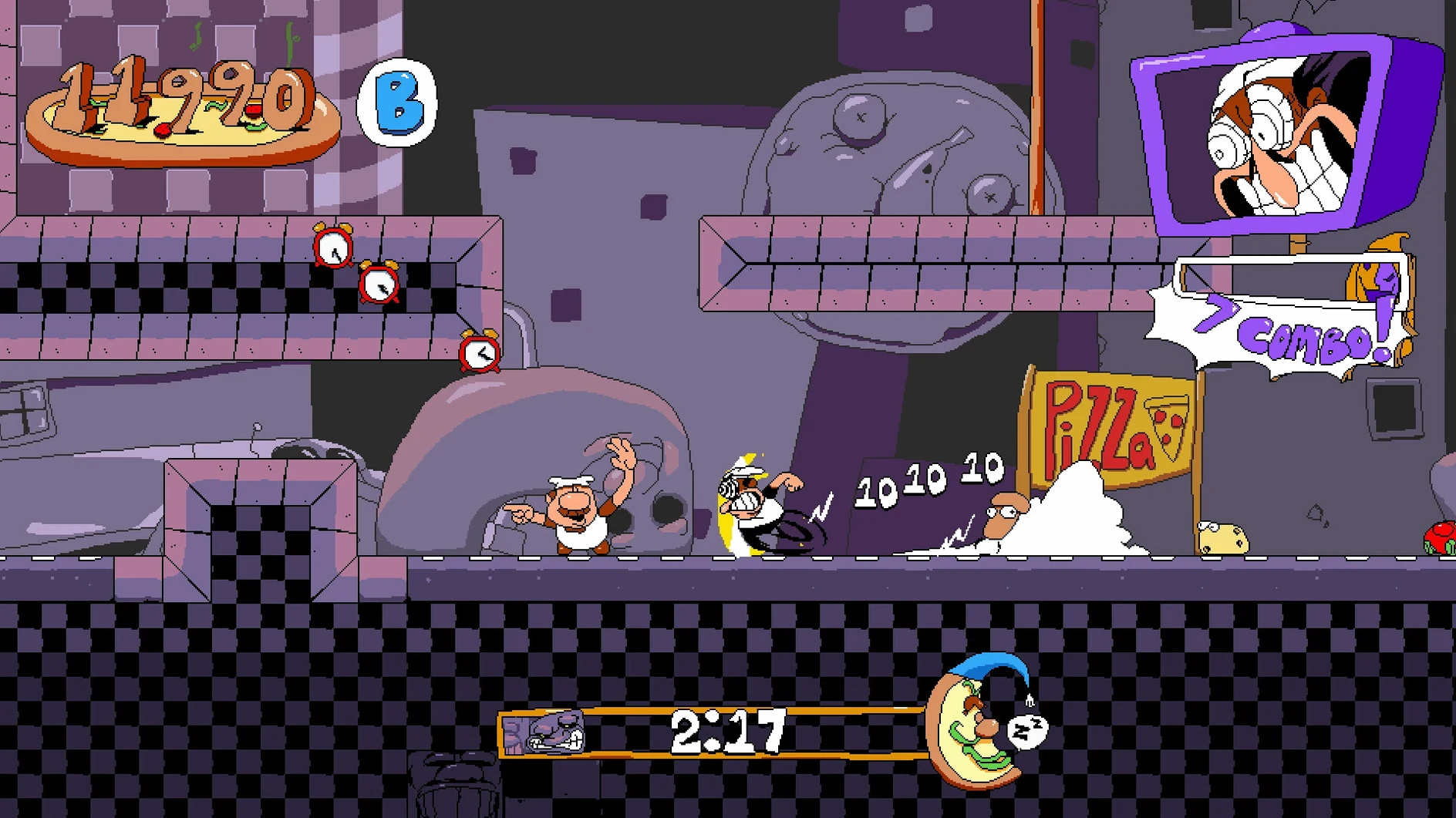
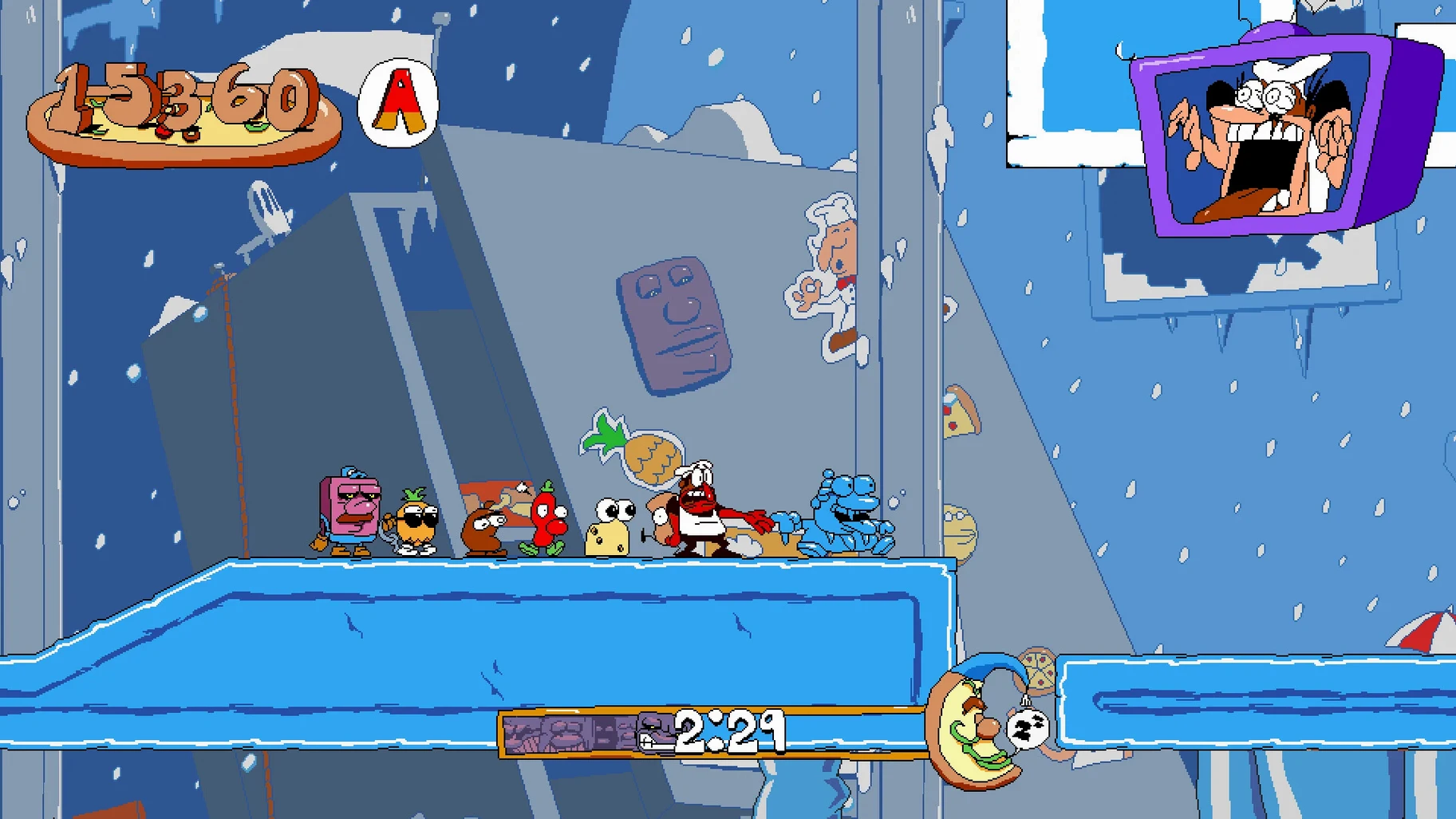
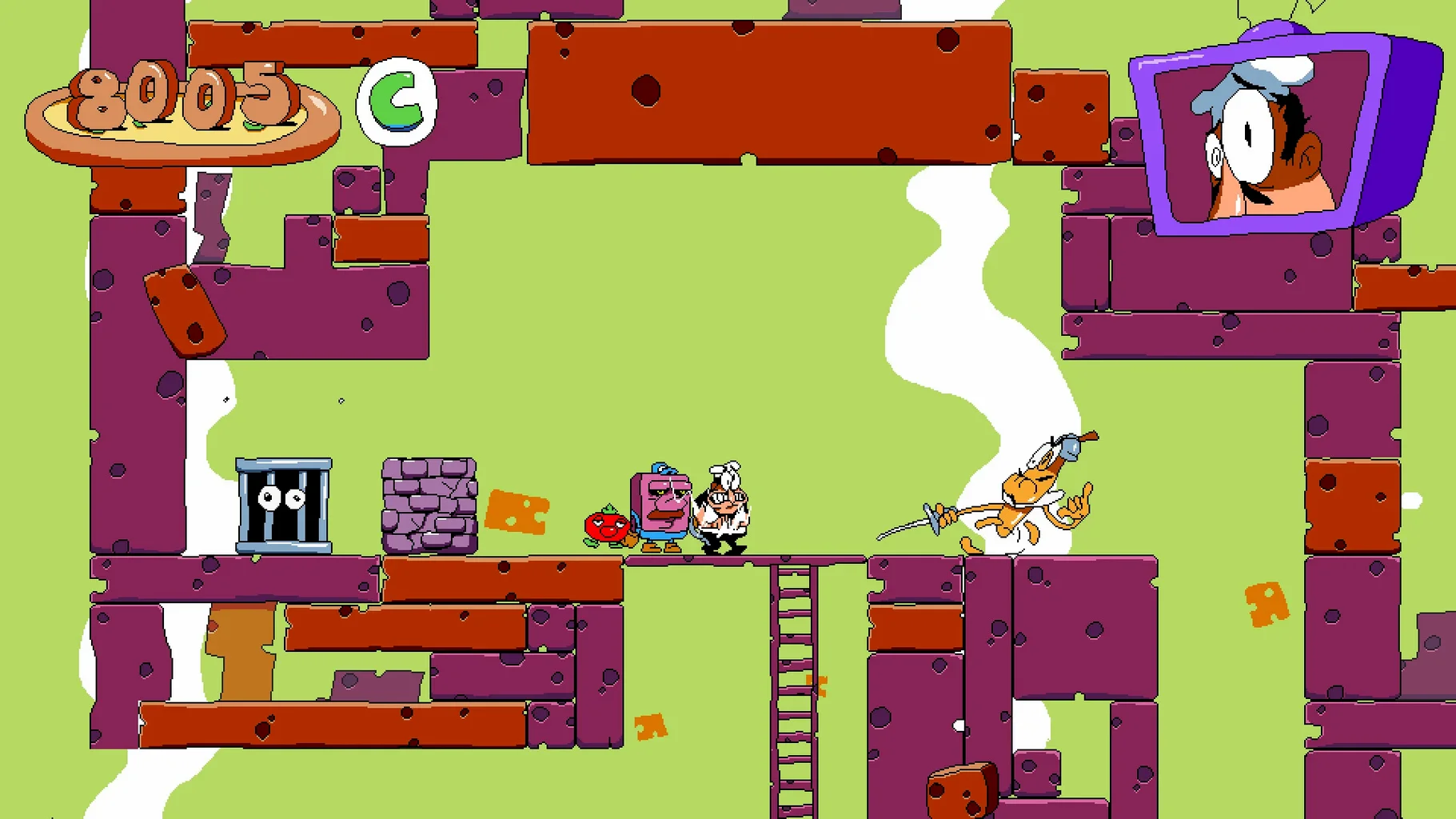
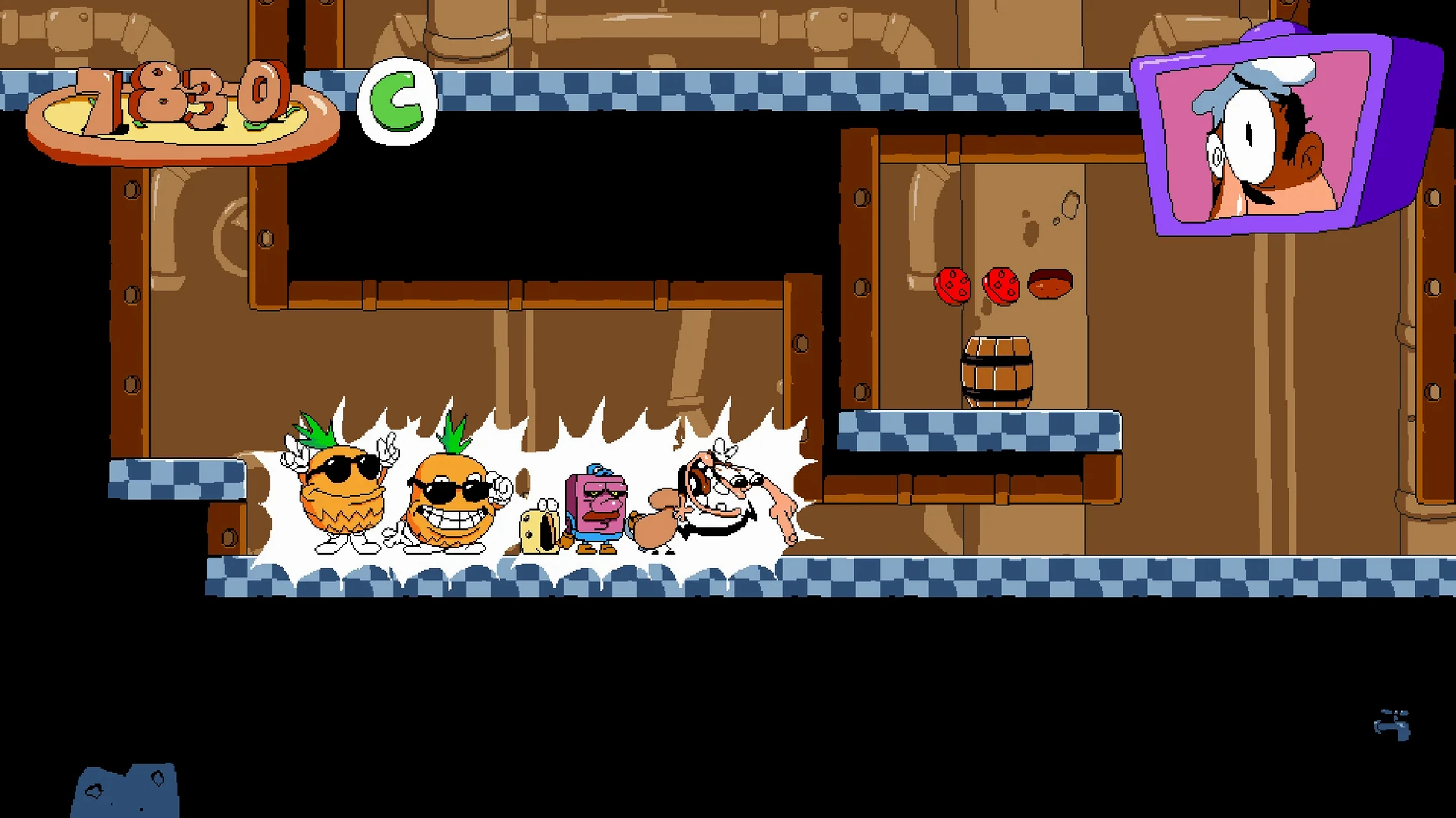
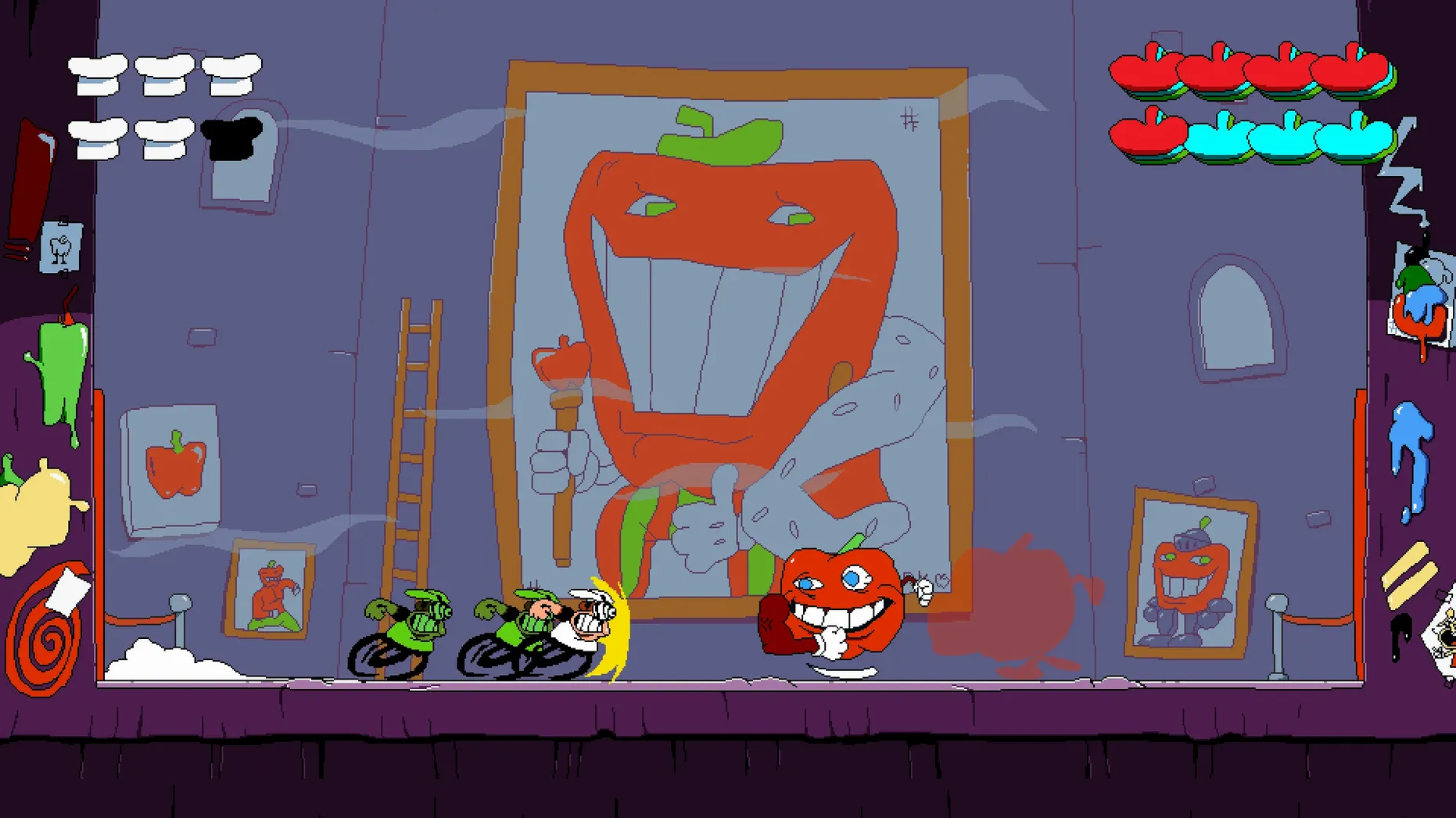
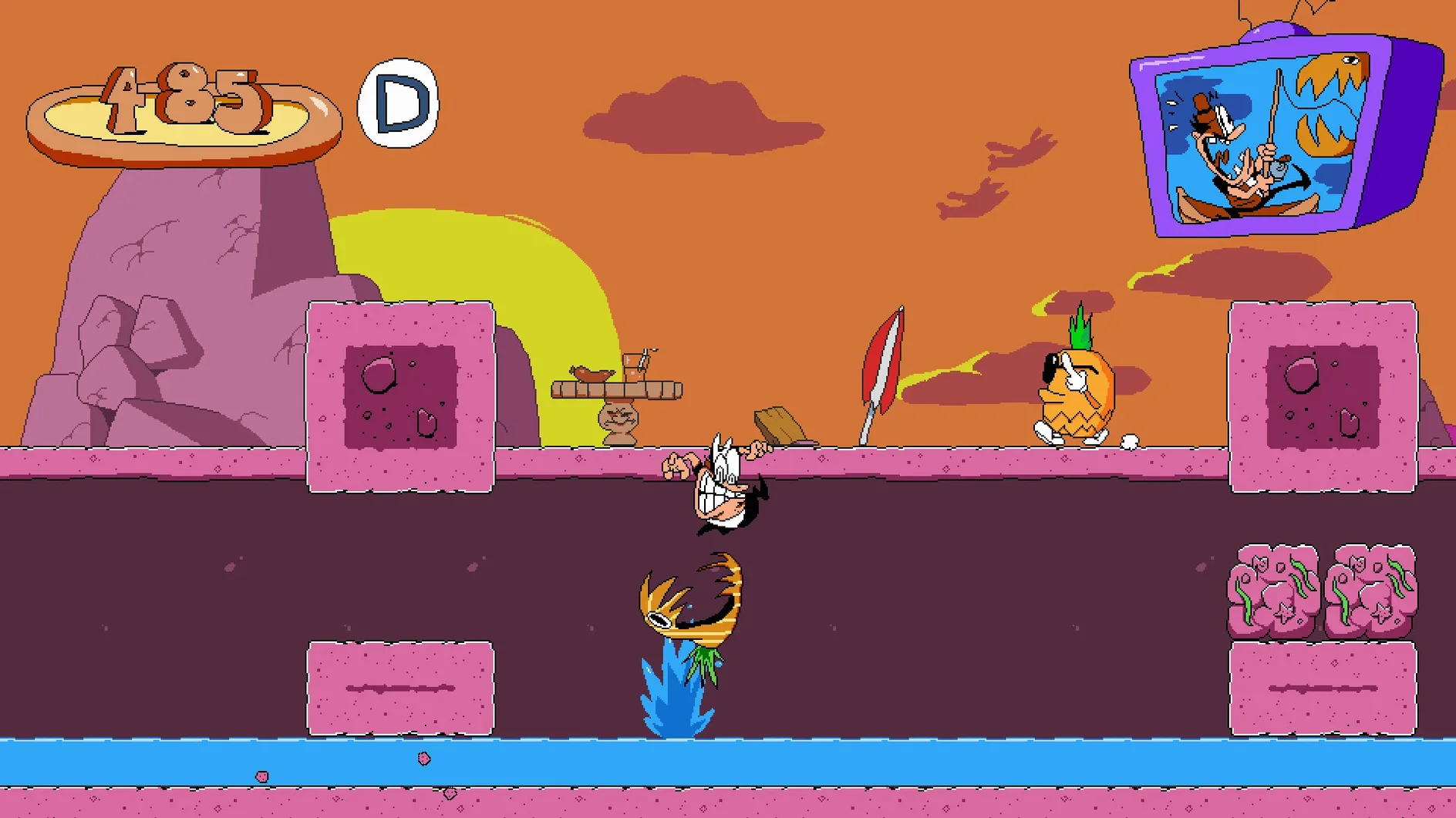
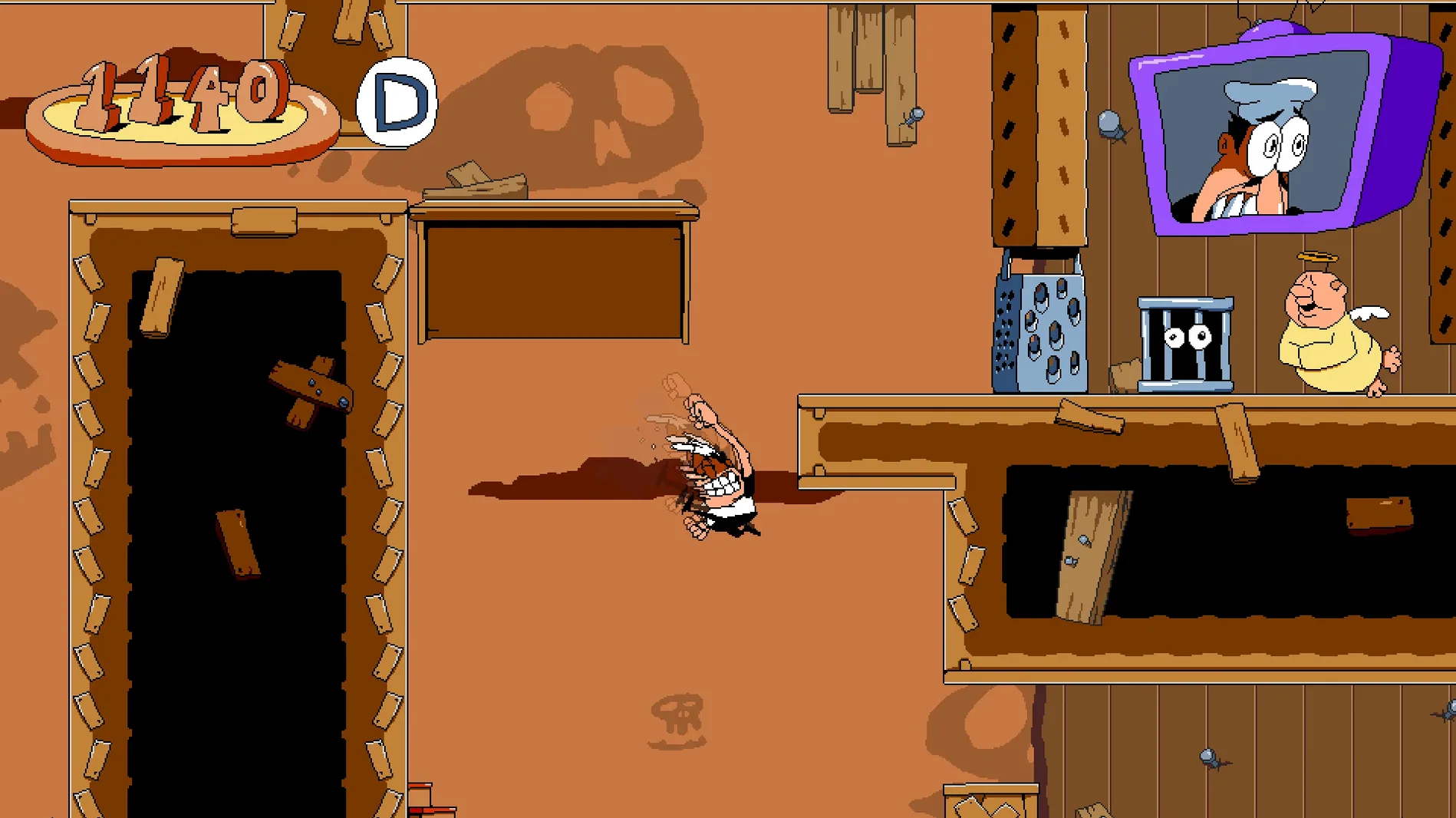
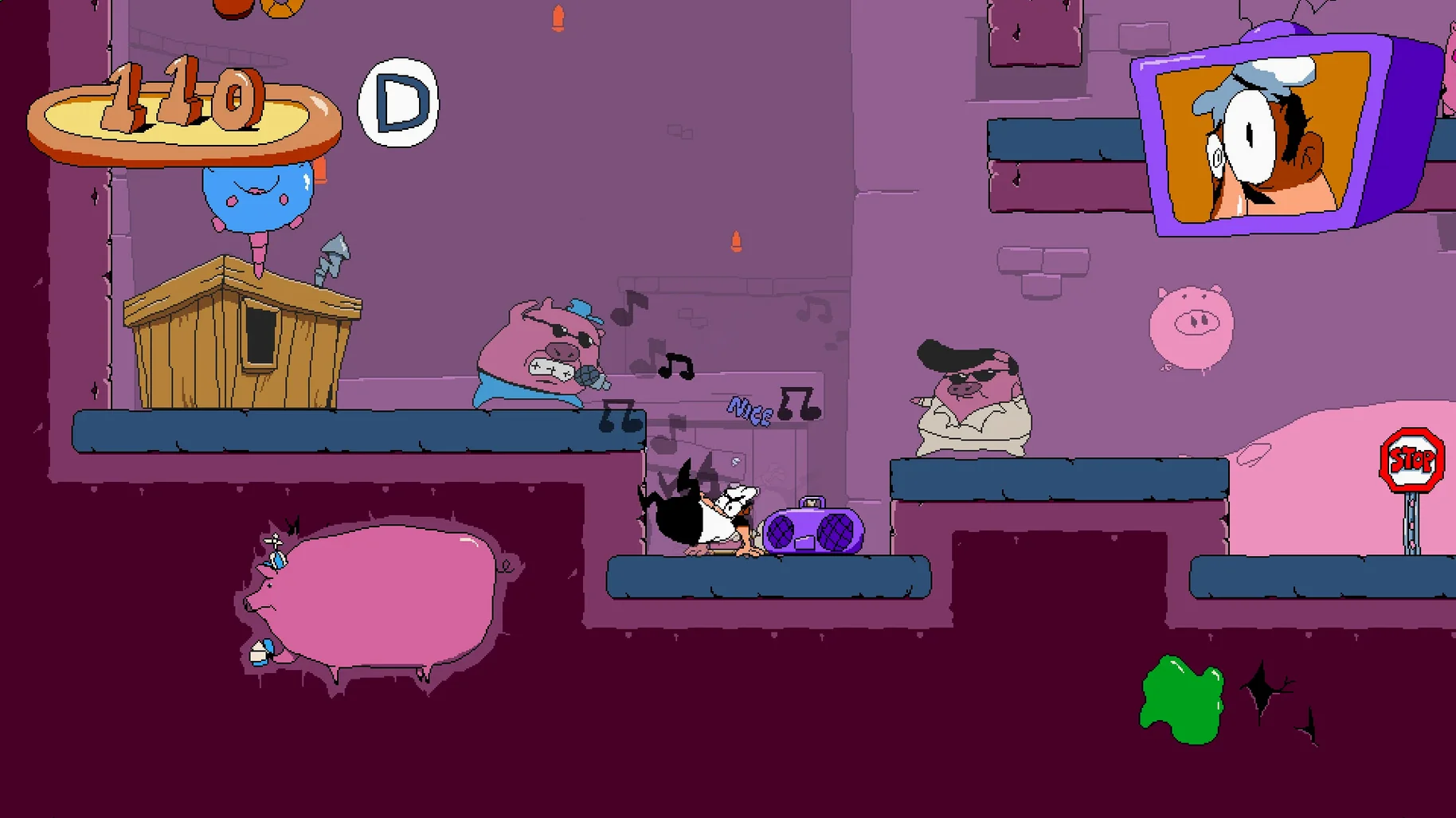
Some platform games let you stop and smell the pixel-art flowers. Pizza Tower does not. It solves the problem of momentum-killing downtime by making everything—walls, enemies, the floor—a surface to slide, slam, or sprint across. The aim is simple: tear through five themed floors, destroy every rat and monster in the way, and keep your combo meter alive while hunting for secrets. The soundtrack is a relentless, high-energy driver that matches the pace exactly.
Score-Chasers and Secret-Hungry Explorers
- Score-chasers who treat levels like time trials. The scoring system rewards fluid, uninterrupted movement. If you replay a stage to shave seconds off and squeeze out a higher rank, the loop clicks.
- Explorers who enjoy manic hide-and-seek. Secrets are tucked into walls and off-screen corners. Finding them demands aggressive, fast probing rather than slow backtracking.
- Players who find most platformers too polite. The tone is loud, weird, and uninterested in hand-holding. Enemies are obstacles to be bulldozed, not puzzles to be respected.
The flip side: if you prefer methodical level design with quiet moments, the sensory overload and constant forward pressure will grate. Precision-platforming purists may also need time to adjust to the physics, which favour expression over pixel-perfect snap.
Locked 60 fps via Wineskin on Apple Silicon
On an Apple Silicon Mac—tested here on an M4 Mac mini running macOS Tahoe—the Wineskin wrapper runs the game at a locked 60 fps at 1080p without a single hitch. Load times between floors hover around 2–3 seconds. The wrapper itself is light: memory use sits in the 300–400 MB range during normal play, and CPU load stays low enough that the fans never spin up. Stability has been uneventful in the best way. Across multiple two-hour sessions of chasing P-ranks, the build never crashed or dropped frames mid-combo.
The one reminder that you are not on native metal is the launch routine. A short sequence of dialogue prompts may appear on first open, and dismissing them with a few clicks of OK is part of the ritual. After that, the game window snaps to focus and stays there.
Swipable Fullscreen Space With Focus Mode Harmony
The game respects macOS’s fullscreen space as a separate desktop, so swiping between it and other apps with a three-finger gesture feels natural. It also plays well with Focus modes: no intrusive overlays or launcher pop-ups fight for attention. For recording or streaming, the window captures cleanly in OBS via display capture, and the audio routing through system output means apps like Loopback or BlackHole can grab the energetic soundtrack without extra configuration.
Controller support is straightforward. A DualSense paired over Bluetooth was recognised immediately after opening the input settings menu and switching the control scheme to gamepad. The button prompts on screen stay in keyboard glyphs—a small cosmetic mismatch—but every input maps correctly. For players who prefer the built-in keyboard, the default layout uses the arrow keys and Z/X for actions, which avoids the cramped feel of WASD on a compact Mac keyboard.
From Hub to Shoulder-Bash in Seconds
The session starts in the hub area. You pick a floor—say, the first one—and the timer begins the moment the door opens. Peppino launches into a sprint. Within seconds you are shoulder-bashing through a row of cheeslime enemies, grabbing one to piledrive into the next, and the combo counter ticks upward in the corner. The feedback is immediate: a screen shake, a rising sound effect, and the HUD number flashing as it crosses a threshold.
Mid-level, the pace shifts. You spot a crack in a wall, break through, and find a room full of topping tokens and a secret janitor. A quick grab and you are back into the main path, now with a clear mental map of the route for the return lap. The escape sequence triggers after the pillar at the end—the music changes, the screen border tightens, and you retrace the level at full speed while the entrance door tries to close on you. Missing a jump here costs seconds and the rank you were chasing. Making it through without a single stop feels like landing a drum fill perfectly on beat.
Back at the hub, the rank screen tallies score, secrets found, and lap time. An S-rank demands a near-flawless run, and the game shows you exactly which sections of the floor you skipped. That data alone fuels the next attempt.
- Apple Silicon Mac
Sign in · Create an account to add a field note.
No field notes yet. A measurement, a version, a machine — they appear after moderation.