Games
Tannenberg 66919
GamesUpdated
| Requirement | On file |
|---|---|
| macOS | See the sheet |
| CPU | Apple Silicon, Intel 64-bit |
| Download | 5.1 GB |
| Tested on | macOS Tahoe, Mac mini 2024 M4 |
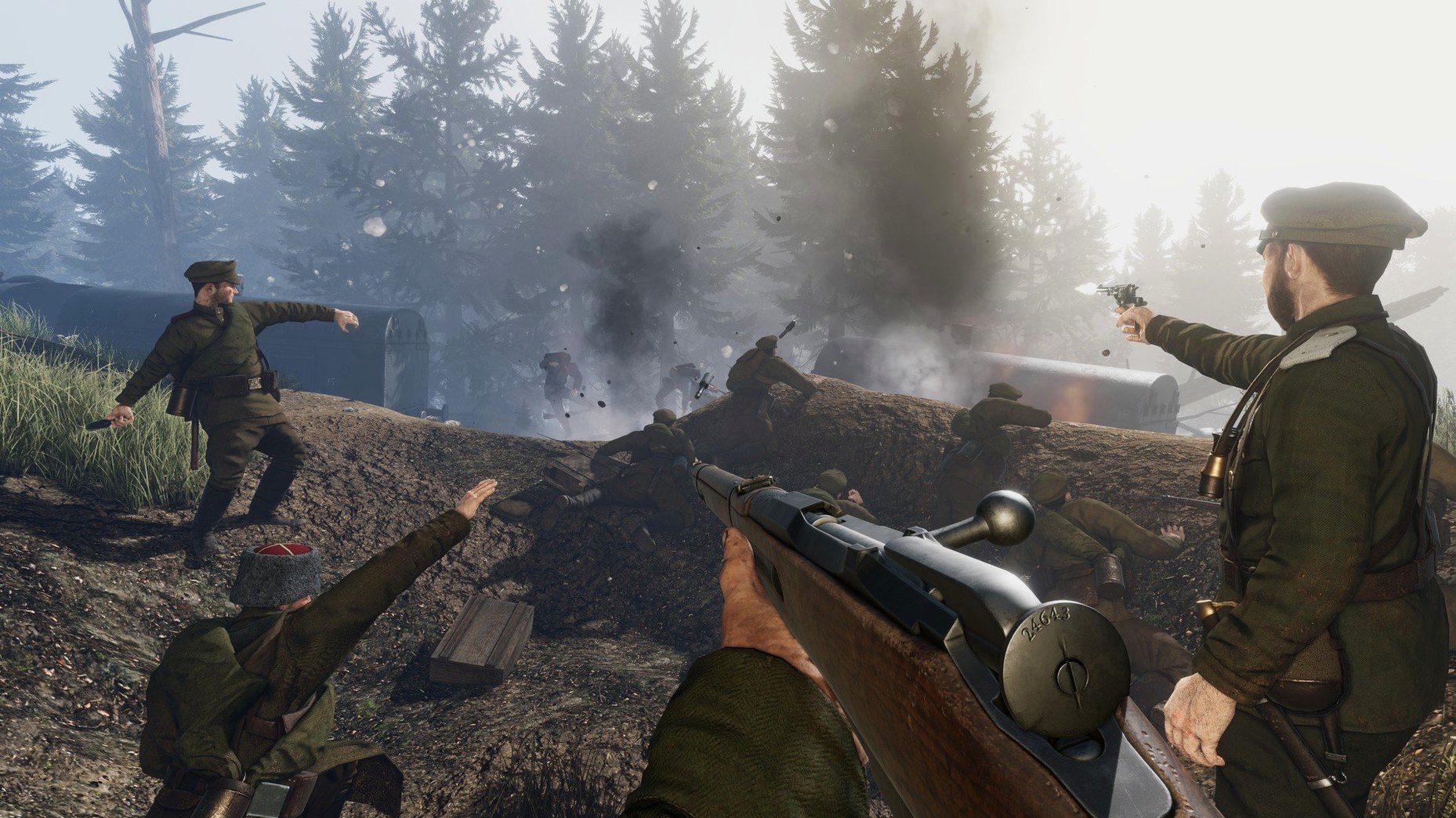
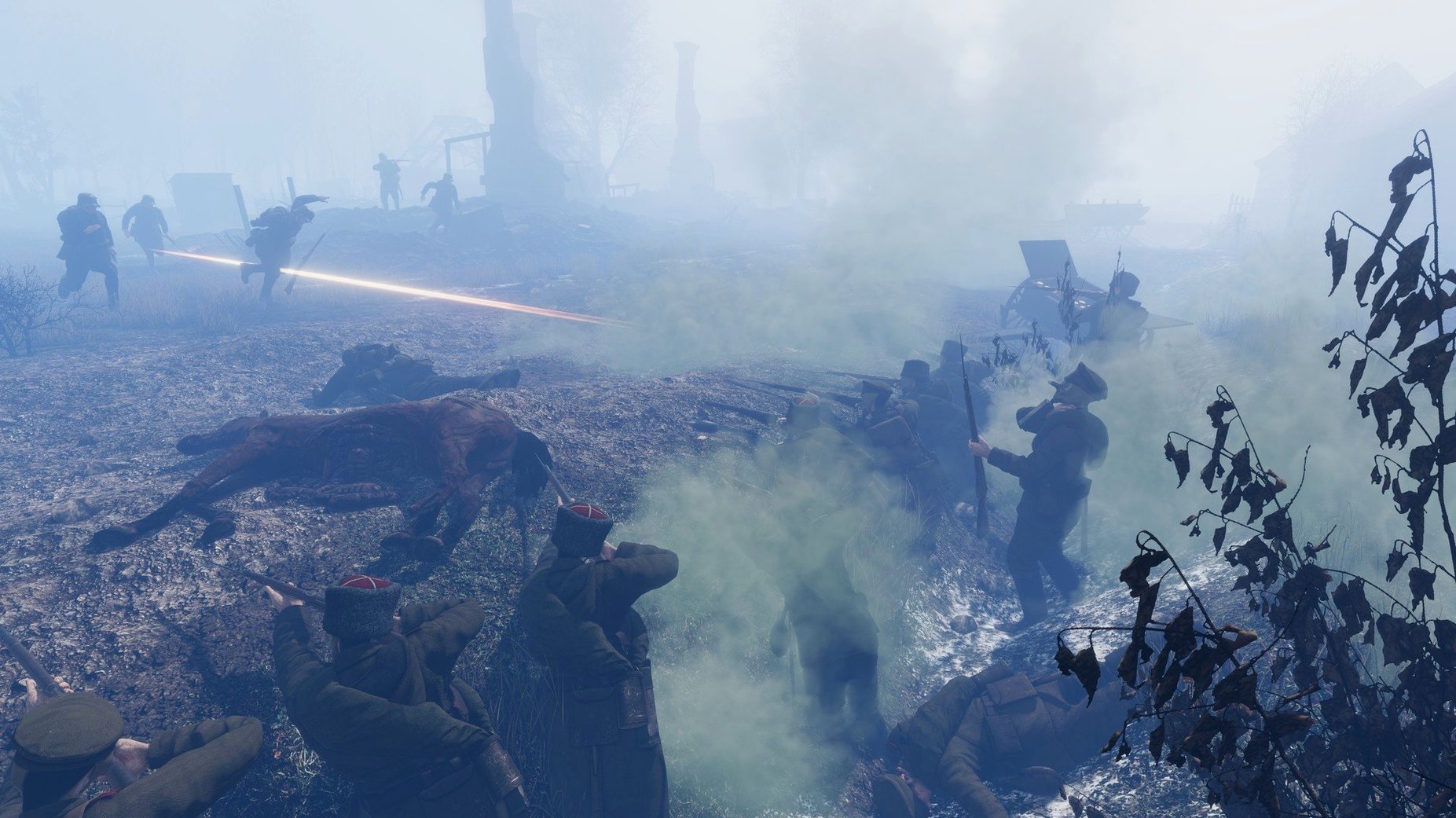
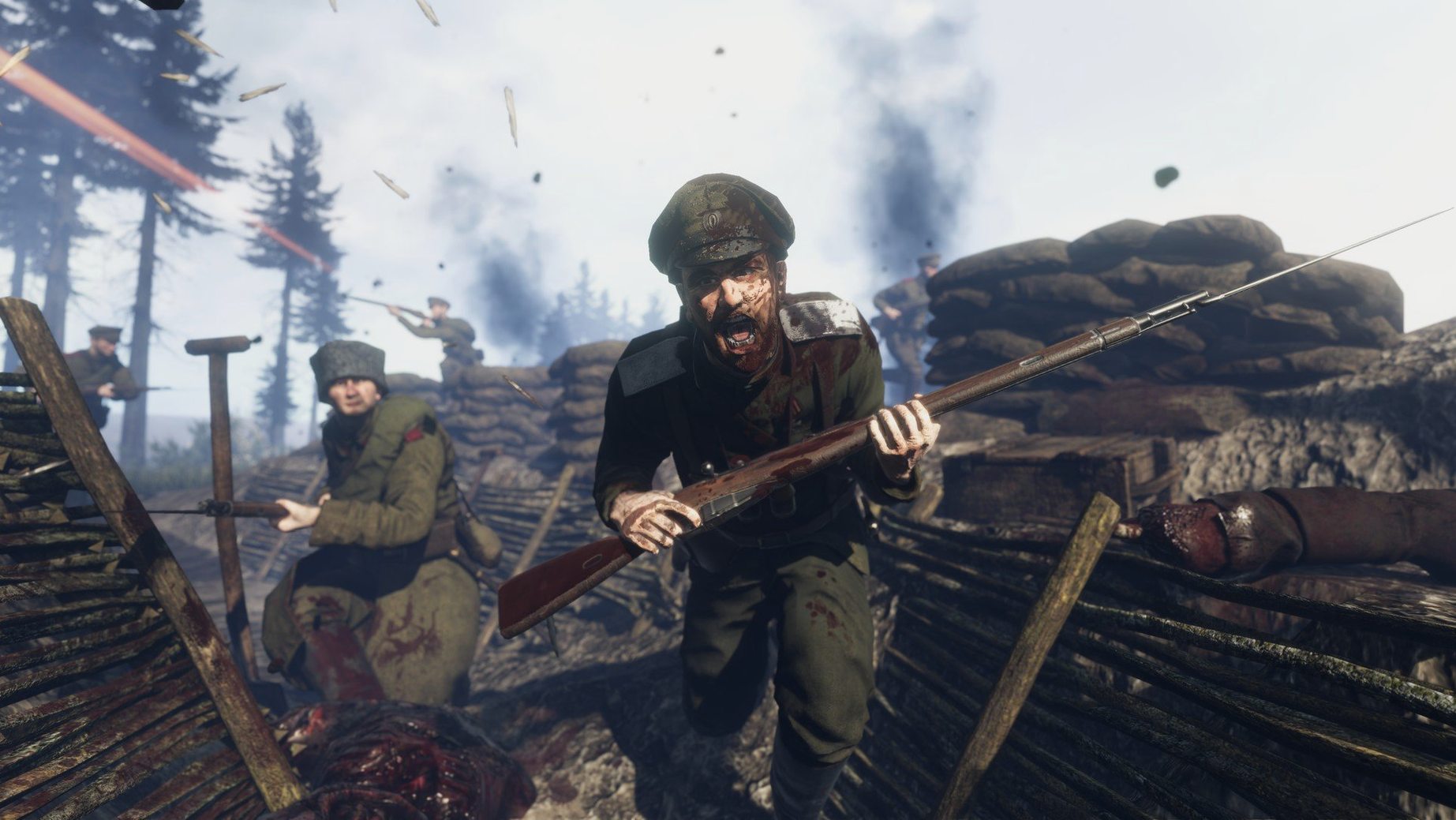
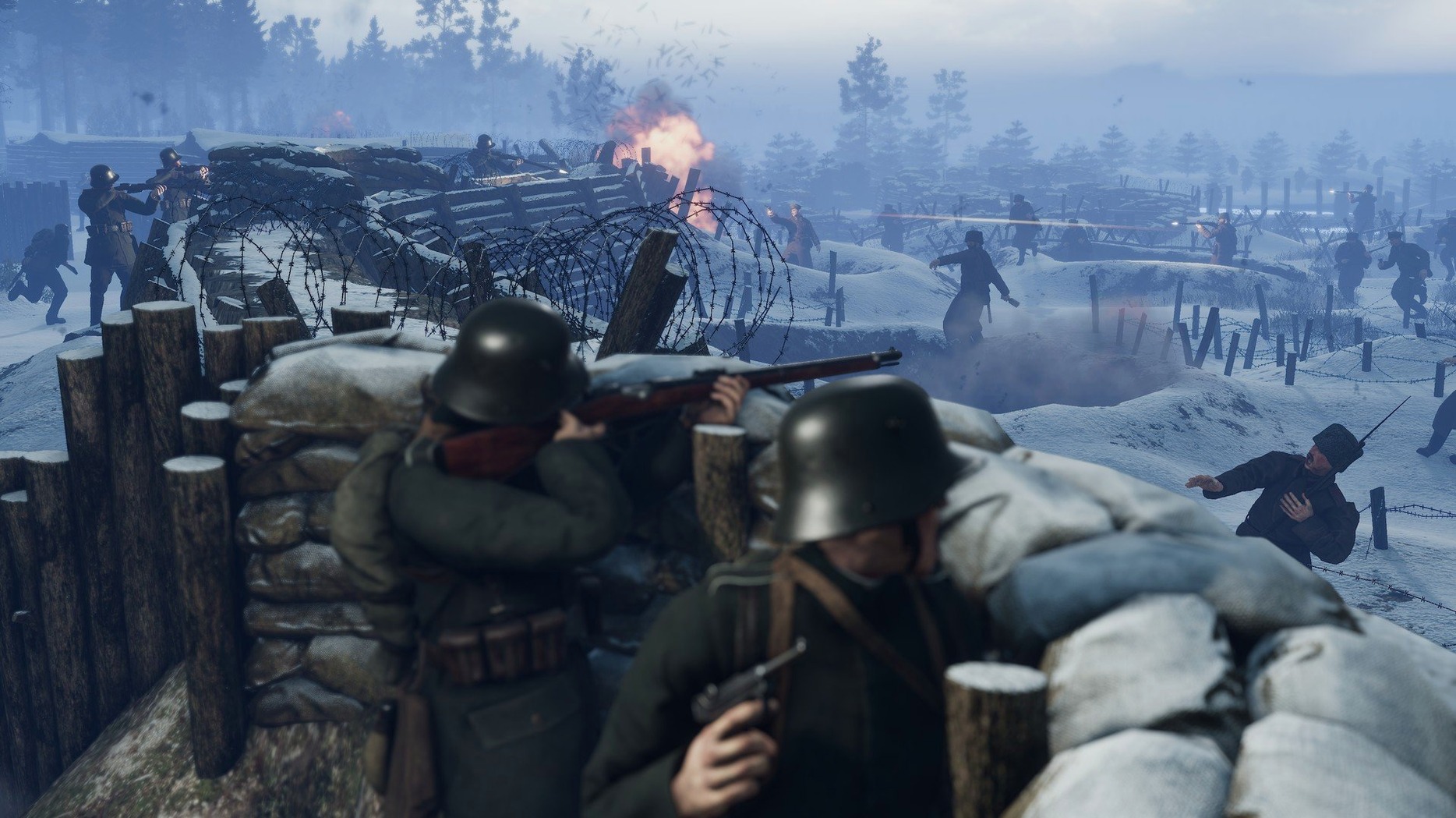
If you already know Verdun, the trench-warfare shooter from the same developers, Tannenberg shifts the fight east to the sweeping, open landscapes of the First World War. The focus here is on maneuver warfare rather than static lines, with up to 64 players pushing across six large maps. You pick a side from Russian, Romanian, Austro-Hungarian, German, and Bulgarian forces, armed with one of over 50 period weapons.
What macOS version and hardware does it need?
The build tested for this article ran on macOS Tahoe with a Mac mini 2024 M4. The game supports both Intel and Apple Silicon architectures, but the developer does not publish an official minimum macOS version requirement. Performance on Apple Silicon is handled natively.
Remap keys for a standard FPS feel
A standard keyboard-and-mouse setup works exactly as you would expect for a first-person shooter. You can remap keys in the settings to suit your preferences. The game does not boil down squad commands to a single button, so you will rely on direct communication or following the flow of the 64-player battle.
What kind of performance can I expect?
On the Mac mini 2024 M4, the game holds a stable frame rate at medium to high settings with the large player counts. The maps load quickly, and the audio of crackling rifle fire and distant artillery remains clear even when the server is full.
Hold Shift for a full-screen tactical map
Tannenberg buries a few quality-of-life touches in menus that the tutorial never flags. The quick-map zoom, for instance, is bound to M by default, but holding Shift while it is open expands it to nearly full screen — useful when you need to spot a contested sector without squinting at the corner minimap. The same key doubles as a fast dismiss, so you can check the tactical overlay mid-sprint and drop it before you round a barn into a bayonet.
Weapon switching has a small but noticeable optimisation: tapping 1 or 2 twice pulls out your melee weapon or sidearm respectively, bypassing the scroll wheel entirely. In the chaos of a point capture, that half-second skip matters. The squad menu, opened with Tab, shows not only your four-man team but also which squads on your side have open slots — look for the hollow player icon rather than clicking through each unit manually. Audio-wise, the game lets you set separate volume sliders for music, effects, and voice, but the less obvious option is the "ambient occlusion" toggle in the graphics panel. Turning it off on integrated graphics or older Macs often buys you eight to ten frames without visibly flattening the vast steppe landscapes.
Flank farmhouses instead of holding trenches
Next to Verdun, the obvious sibling, Tannenberg trades claustrophobic trench networks for rolling terrain and capture-point momentum. Verdun rewards holding a line and timing a gas barrage; Tannenberg rewards repositioning a squad to flank a farmhouse before reinforcements arrive. The weapon handling feels shared — both games treat bolt-action rifles with the same deliberate, weighty cadence — but the map design pushes you into longer sightlines and more frequent bayonet charges. Players who found Verdun too static often click with Tannenberg within a few matches.
Compared with a broader World War II title like Hell Let Loose, Tannenberg keeps the scope tighter: no supply chains, no armour, no commander role calling in bombing runs. The squad is four soldiers, not six, and the objective is always about sector control rather than layered logistics. That makes a difference in the first thirty hours — you spend more time shooting and moving, less time studying a map overlay of resource nodes. Hell Let Loose asks for planning; Tannenberg asks for momentum.
Against a pure arcade shooter like Call of Duty: WWII, the contrast is starker. Tannenberg has no minimap pings lighting up enemy positions, no health regeneration behind cover, and no killstreak rewards. A single rifle round can end a push, and suppression actually blurs the edges of your screen. The pace is slower and the penalty for a lone-wolf sprint is far higher, which appeals to anyone looking for a tannenberg mac download that leans closer to a historical sim than a run-and-gun loop.
Learn bullet travel with the bolt-action rifle
Start with the Rifle squad even if the machine-gun or assault roles tempt you. The bolt-action rifle forces you to learn the bullet travel time and the value of a well-placed single shot, and the squad leader's binoculars teach map awareness faster than any other tool. Spend the first three or four matches shadowing your squad lead rather than chasing the nearest cap point alone — the spawn-on-squad mechanic means staying within twenty metres of your team cuts the walk back from a fixed spawn by half a minute or more.
Set your field of view to at least 85 degrees before you join a full 64-player server. The default 70 is tailored for trench corridors in Verdun and feels tunnel-like when you are scanning a wheat field for muzzle flashes. In the audio settings, bump the effects volume five points above the default and drop music to thirty percent; you want to hear the distinct crack of a Mannlicher rifle to your right long before you see the shooter. Finally, remap the melee key to a thumb button on your mouse if you have one. When a Cossack squad charges through smoke, scrolling to the sabre is a death sentence — a thumb press gets the blade out mid-strafe.
- Architecture: Intel and Apple Silicon
- Tested on: macOS Tahoe, Mac mini 2024 M4
Sign in · Create an account to add a field note.
No field notes yet. A measurement, a version, a machine — they appear after moderation.