
AI Tools
AI War 2 5.837
AI ToolsUpdated
| Requirement | On file |
|---|---|
| macOS | See the sheet |
| CPU | Apple Silicon, Intel 64-bit |
| Download | 2.6 GB |
| Tested on | macOS Tahoe, Mac mini 2024 M4 |
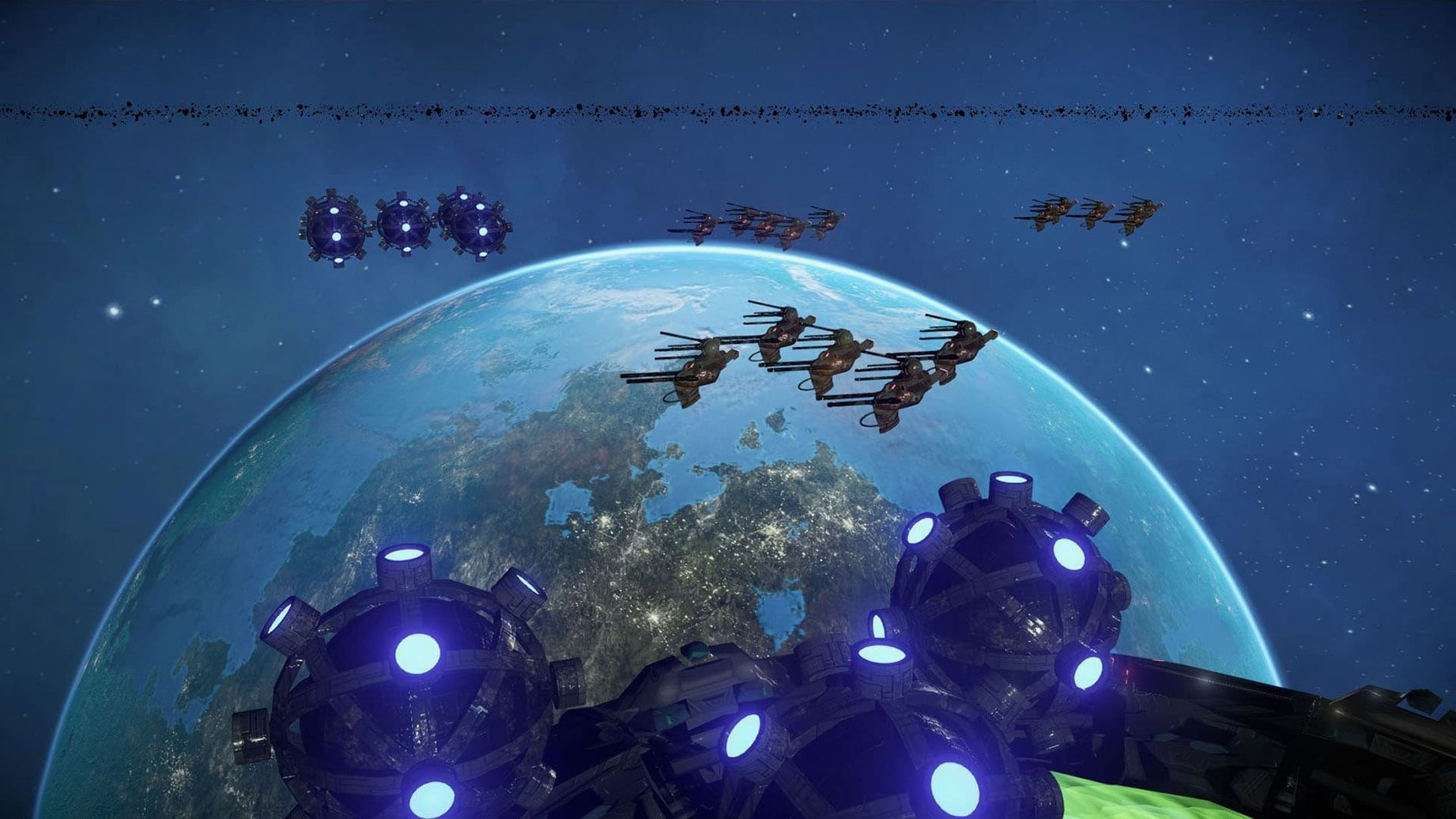
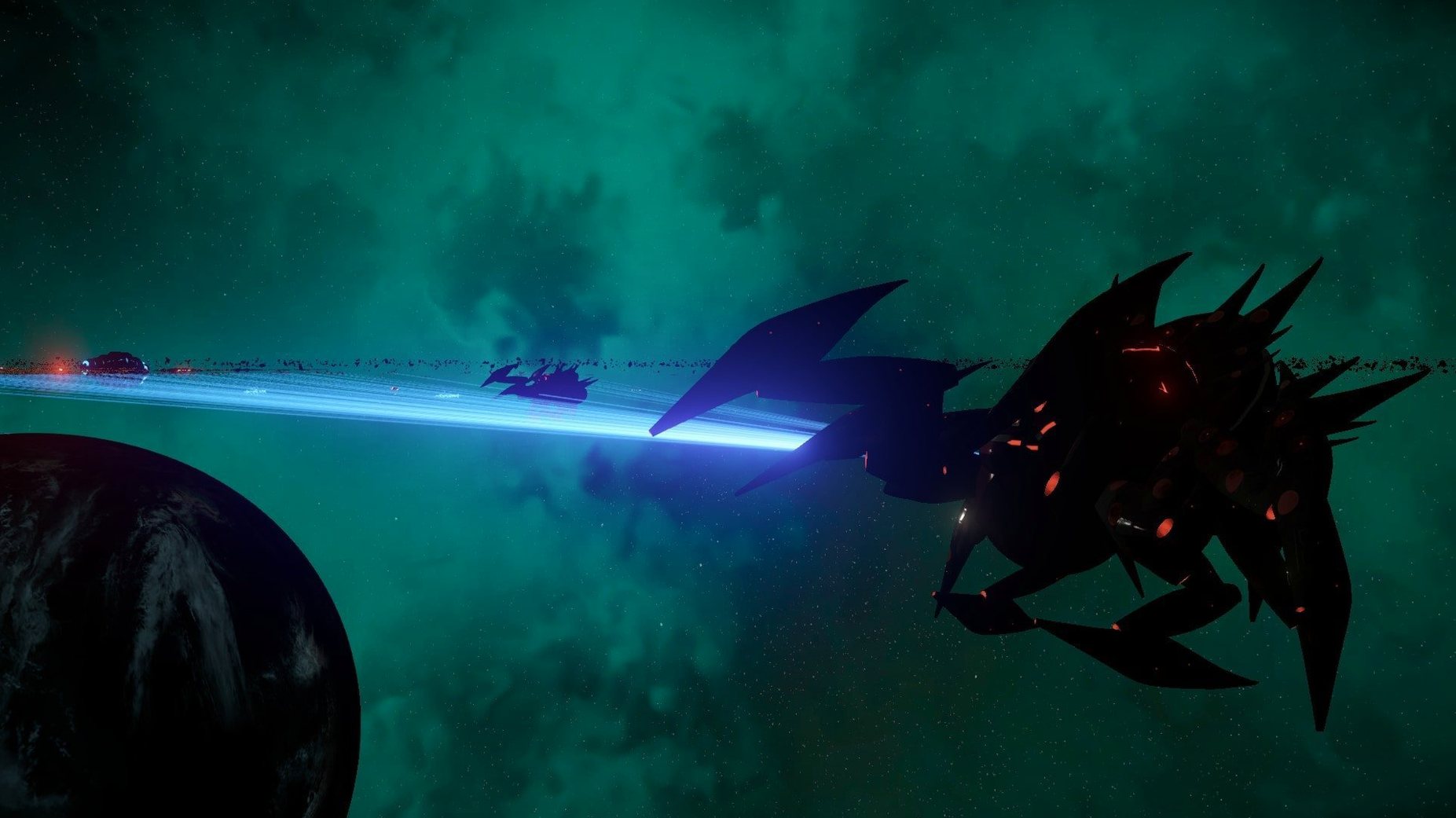
AI War 2 is a science-fiction strategy game that blends long-term galactic planning with real-time space combat, casting you as the commander of a remnant human force fighting back against a machine intelligence that already owns the galaxy. It is a sequel to Arcen Games’ AI War: Fleet Command, rebuilt with a sharper focus on readability and pace.
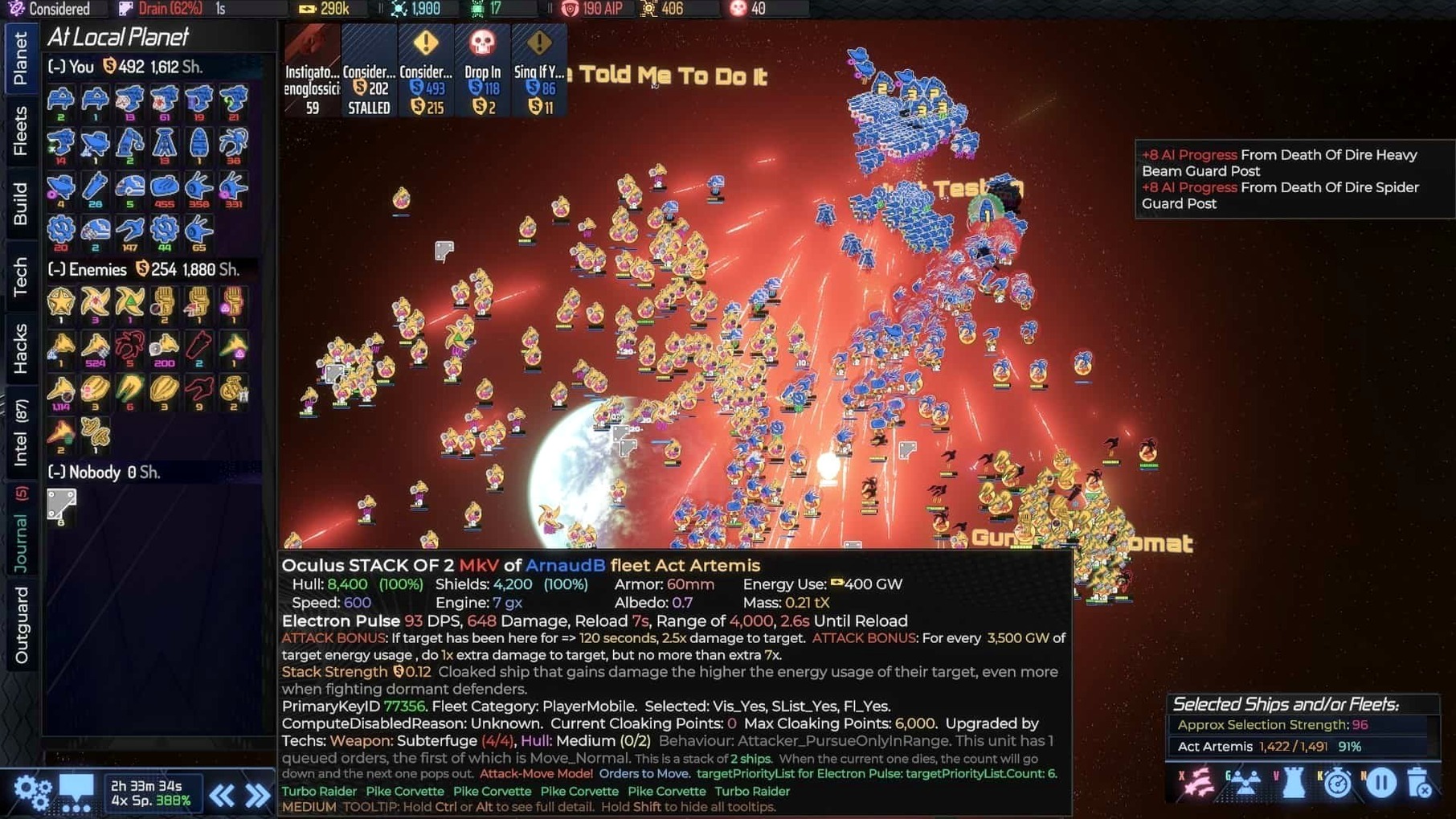
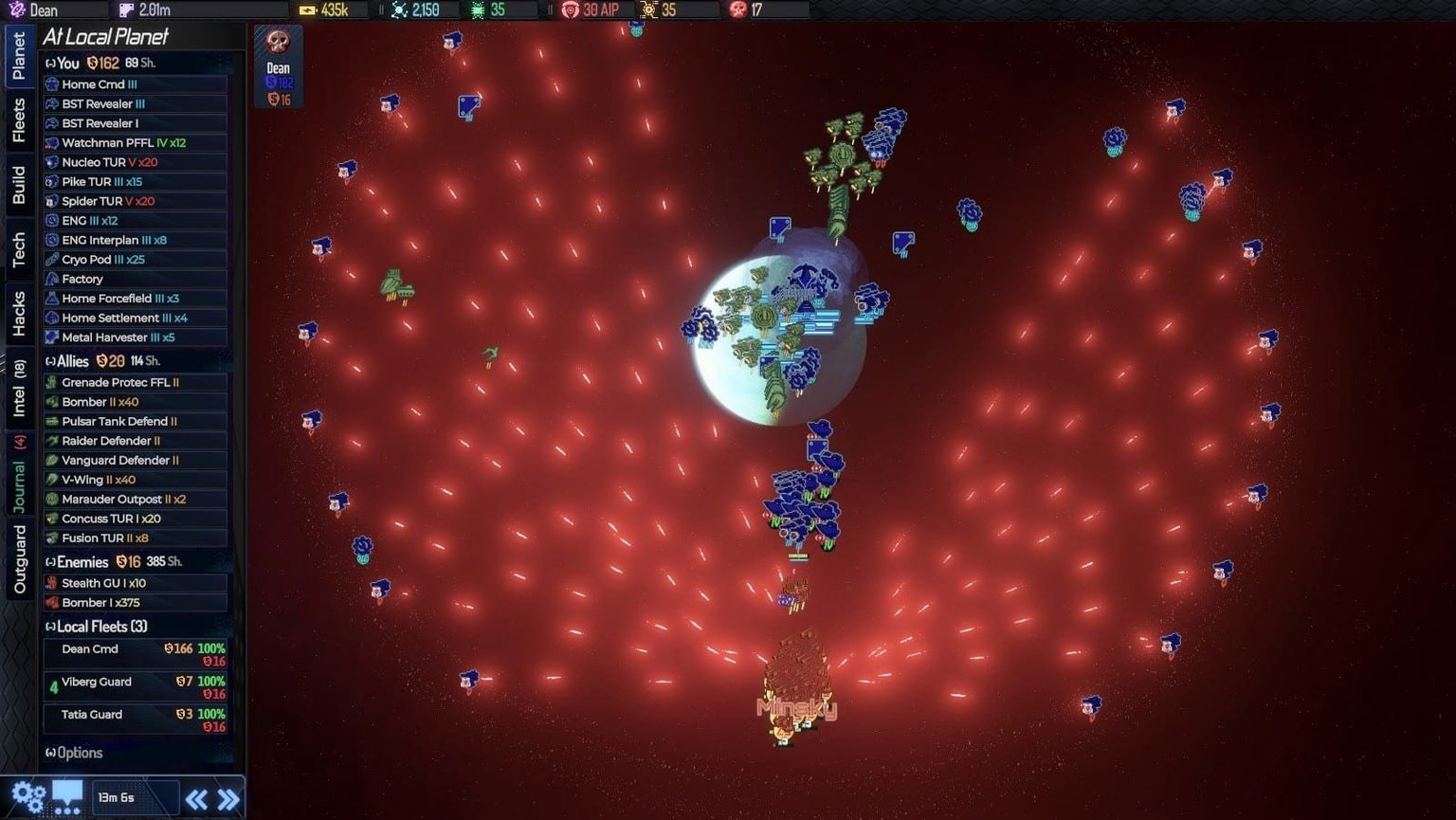
The game sits at an unusual intersection. The grand strategy layer has you capturing territory, building space stations and deciding which technologies to pursue across a map that can contain dozens of star systems. The RTS side puts you in direct control of fleets during battles, where positioning and target priority matter more than actions-per-minute. Six factions, including new voiced dialogue, give the conflict texture beyond a simple humans-versus-machines setup.
This is a game for players who enjoy asymmetric warfare and long arcs of tension. You will spend time studying the galactic map, weighing whether a system is worth the attention it will draw from the AI overlord. The AI does not play fair — it holds overwhelming force from the start, and provoking it too early ends campaigns quickly. If you prefer games where you build up and then steamroll an equal opponent, the power curve here may frustrate you. The satisfaction comes from out-thinking a vastly stronger enemy, not out-producing it.
The interface and unit clarity are improved over the original, but the learning curve remains real. Expect to lose a few campaigns before the strategic logic clicks. Methodical planners will find the effort pays off.
Workflow: Running a Deep Strike Raid
A deep strike raid is how you weaken the AI without waking the entire galaxy. The goal is to destroy an irreplaceable structure — a Data Centre, a Fabricator — and retreat before response fleets materialise. Here is a step-by-step approach that works on difficulty 7 and above.
- Scout the target system. Use a cloaked scout or expendable Mark I corvettes. Note the guard posts, the ion cannons, and how many hops from the AI homeworld the system sits. A system four hops out triggers a milder response than one at the core.
- Assemble a fast, disposable fleet. Raiders, Vampire Claws, or similar high-speed hulls with cloaking. Two full caps of Mark II raiders can kill a Data Centre and escape. Do not bring your flagship — this is not a brawl.
- Clear a path, but not too clean. Destroy the warp gate on the system adjacent to your target. Leave the guard posts alive or the AI strategic reserve repositions. You want the gate gone so reinforcements cannot flood the target system mid-raid.
- Pause and issue orders. Queue the attack command on the target structure, then shift-queue a move order to a safe system two jumps away. The fleet will execute the kill and flee without waiting for your reaction.
- Watch the threat counter. If it spikes above 200 before your fleet arrives, abort. The AI has already allocated response ships. Withdraw and try a different angle in ten minutes.
- Debrief the AIP gain. A Data Centre kill might cost 5 AIP. That is acceptable. If you took out a guard post or transport on the way, the bill is higher. Check the galaxy-wide threat level before planning the next raid.
A successful deep strike feels surgical because it is: you spent fifteen minutes on reconnaissance and positioning for a thirty-second engagement. The AI lost something it cannot rebuild, and your main fleet never left defensive positions. Repeat this three or four times across different fronts before launching a major offensive.
AIP Is a Threat Meter, Not a High Score
New commanders tend to make the same errors in their first five to ten hours. Recognising them early spares a lot of abandoned campaigns.
- Treating AIP as a score. AI Progress is not a high score you chase. Every point above the floor makes the AI field larger fleets and unlock new ship types. Capturing a system because it is undefended raises AIP for territory you may not need. Take systems that serve a purpose — a chokepoint, a fabricator, a resource-rich cluster — and leave empty space alone.
- Building turrets everywhere. The metal and energy cost of fortifying every captured system starves your offensive fleet. Identify two or three chokepoint worlds and layer them with tractor beams, gravitation turrets and long-range missile batteries. The AI prefers to attack through contiguous territory, so a strong chokepoint funnels raids into a kill zone.
- Ignoring the hacking mechanic. Hacking is easy to overlook because the interface presents it as optional. It is not. You can steal technology, disable planetary defences or reduce AIP by hacking AI structures. A single well-timed hack on a Super Terminal can shave 20 AIP off your total. Do it too aggressively and the AI response spirals, but never hacking at all is a handicap.
- Neglecting fleet composition. Building only the highest-Mark ships available burns metal and energy without giving you tactical answers. A mix of point defence, long-range bombardment and fast interceptors covers more situations. The AI adapts to your loadout across campaigns, so variety also keeps its counter-picks unpredictable.
- Fighting every wave head-on. AI waves announce their arrival with a timer and a target system. If the wave is headed for a system with no critical infrastructure, consider pulling your fleet back and letting it land. The ships then sit idle as garrison, reducing the AI's mobile threat pool without costing you a battle.
How AI War 2 Compares with Similar Mac Strategy Games
The Mac strategy landscape has several titles that trade in grand-scale warfare with real-time elements, but they differ markedly in tempo and asymmetry.
Stellaris is the most obvious comparison. Both games give you a galaxy map with exploration, expansion and fleet management. The difference is the starting position. Stellaris begins with equal-footing empires expanding into a neutral galaxy; the tension builds over hours as borders touch. AI War 2 starts after the galaxy has already been lost. You are not building an empire — you are trying to dismantle one
- macOS (tested on macOS Tahoe with a Mac mini 2024 M4)
- Intel and Apple Silicon Macs supported
Questions on file
What kind of strategy game is AI War 2?
It is a hybrid of grand strategy and real-time tactics set in space, where you manage a galactic campaign against an AI that holds most of the map from the start.
Sign in · Create an account to add a field note.
No field notes yet. A measurement, a version, a machine — they appear after moderation.